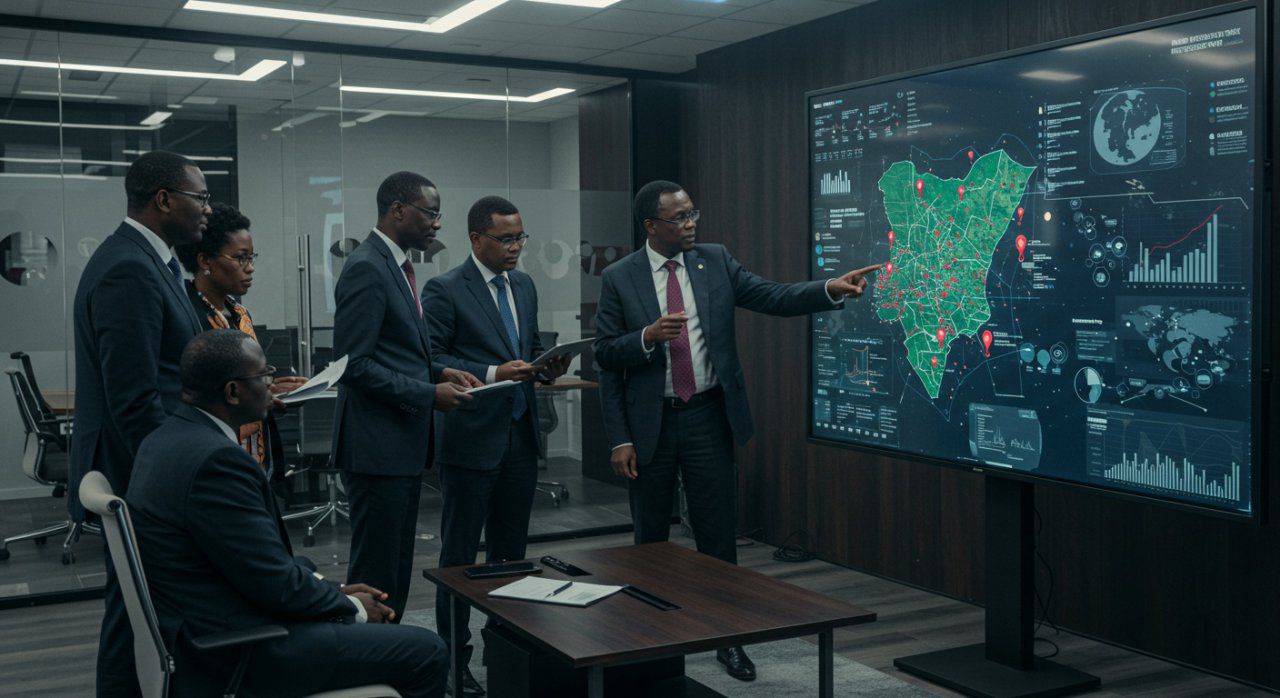
Understanding Capital Expenditure Planning for Transport
Effective capital expenditure planning for transport is crucial for Nairobi's growth. It involves meticulous budgeting and forecasting for significant investments in infrastructure. This process ensures that public and private entities can acquire, upgrade, or maintain vital transport assets. These assets include roads, bridges, public transit systems, and airports. Proper planning mitigates risks and maximizes return on investment. Fortisure Consulting specializes in guiding Nairobi businesses through complex capital expenditure planning for transport projects. We ensure your projects align with strategic goals and financial realities. Our expertise supports sustainable development and economic progress in Kenya.
The Importance of Strategic Transport Investment
Transport infrastructure forms the backbone of any thriving economy. In Nairobi, the capital city of Kenya, efficient transport networks are paramount for commerce, connectivity, and quality of life. Strategic investment in this sector fuels economic activity, reduces operational costs for businesses, and improves accessibility for citizens. Without robust capital expenditure planning for transport, projects can suffer from delays, cost overruns, and failure to meet their intended objectives. This planning ensures that resources are allocated effectively to projects that offer the greatest benefit to the city and its inhabitants. It considers future demand, technological advancements, and environmental sustainability. Fortisure Consulting understands the unique challenges and opportunities within Nairobi's transport sector. We help clients develop comprehensive plans that anticipate future needs and secure necessary funding. Our approach ensures that every transport investment contributes to long-term growth and resilience.

Key Components of Transport Capital Expenditure Planning
Successful capital expenditure planning for transport encompasses several critical elements. Firstly, thorough needs assessment identifies current and future transport demands. This involves analyzing traffic patterns, population growth, and economic development projections. Secondly, project prioritization ranks potential investments based on strategic importance, economic impact, and feasibility. Thirdly, robust financial modeling forecasts costs, potential revenues, and funding sources. This includes exploring public funding, private investment, and innovative financing mechanisms. Fourthly, risk assessment identifies potential challenges, such as regulatory hurdles, environmental concerns, and construction risks. Finally, implementation and monitoring frameworks ensure projects stay on track and within budget. Fortisure Consulting provides expertise in all these areas, helping clients in Nairobi navigate the intricacies of transport capital planning.
Navigating Funding Avenues for Transport Projects

Securing adequate funding is often the most significant hurdle in transport infrastructure development. Nairobi's transport projects require substantial capital, necessitating a diverse funding strategy. This can include government budgetary allocations, international development aid, and private sector investment. Public-Private Partnerships (PPPs) are increasingly common, leveraging private sector expertise and capital for public infrastructure. Bond issuance and infrastructure funds offer other avenues for large-scale financing. Fortisure Consulting assists clients in identifying and accessing appropriate funding sources. We help prepare compelling proposals and financial models to attract investors and secure loans. Our deep understanding of the Kenyan financial landscape is invaluable for navigating these complex funding streams.
The Role of Technology and Innovation
Modern transport infrastructure planning must embrace technology and innovation. This includes incorporating intelligent transport systems (ITS) for traffic management, sustainable energy solutions for public transport, and advanced materials for construction. Planning should also consider the integration of new mobility services, such as ride-sharing and electric vehicle infrastructure. These advancements can enhance efficiency, improve user experience, and reduce environmental impact. Fortisure Consulting helps clients evaluate and integrate these innovations into their capital expenditure plans. We ensure that Nairobi's transport infrastructure remains future-ready and competitive. Our strategic advice considers the long-term benefits of adopting cutting-edge technologies.
Risk Management in Transport Capital Projects
Transport infrastructure projects are inherently complex and prone to various risks. These can range from geological surprises during construction to unforeseen changes in demand or regulatory frameworks. Effective risk management is integral to successful capital expenditure planning for transport. This involves identifying potential risks early, assessing their likelihood and impact, and developing mitigation strategies. Fortisure Consulting works with clients to conduct thorough risk assessments. We develop contingency plans and robust contractual frameworks to protect investments. Our proactive approach minimizes disruptions and ensures project viability. We focus on safeguarding your capital expenditure from unexpected challenges.
Fortisure Consulting: Your Partner in Nairobi
Fortisure Consulting is your premier partner for capital expenditure planning for transport in Nairobi, Kenya. We offer comprehensive advisory services tailored to the unique needs of the region. Our team possesses deep expertise in financial modeling, risk assessment, and funding strategies. We help public entities and private developers navigate the complexities of large-scale transport projects. From initial concept to final implementation, we provide strategic guidance. Our goal is to ensure your transport investments are sound, sustainable, and deliver maximum value. Partner with Fortisure Consulting to build the future of Nairobi's transport network. We are committed to driving progress through expert financial and strategic planning.