
Why Vetting Contractor Coverage Matters in Kenya
When undertaking large infrastructure projects in Nairobi, the stakes are incredibly high. Securing your project requires rigorous contractor insurance and bonding verification to mitigate risk. Without proper oversight, your site is exposed to significant financial liabilities. At Fortisure Consulting, we specialize in contractor insurance and bonding verification to protect your interests. Our team ensures every partner meets the stringent standards required for construction in Kenya. By prioritizing contractor insurance and bonding verification, you prevent costly delays caused by accidents or litigation. We verify every certificate to ensure coverage limits match your project scope. Trust our experts to handle your contractor insurance and bonding verification needs effectively. Protecting your capital starts with a thorough vetting process of all hired contractors.
Understanding the Role of Contractor Insurance
Contractor insurance acts as the primary safety net for any infrastructure project. In Nairobi, construction environments are dynamic and filled with potential hazards. Contractor insurance and bonding verification is essential to confirm that all parties have liability coverage. This coverage protects against property damage and workplace injuries during the construction phase. Without verified insurance, a single accident could bankrupt a project or halt progress for months. We review policy documents to ensure they are active and compliant with local regulations. Our team checks for exclusions that might leave you vulnerable during a claim. We verify the underwriter's reputation to ensure they can pay out in case of a disaster. By confirming active insurance, we create a secure environment for all stakeholders involved. This process is a core component of our risk management strategy at Fortisure Consulting. We leave no stone unturned when validating these crucial financial protections for your site.

The Critical Function of Performance Bonds
Performance bonds are guarantees that a contractor will complete the work as agreed. In Nairobi, infrastructure projects often face delays due to unforeseen circumstances. Contractor insurance and bonding verification confirms that a bond is in place to cover costs if the contractor defaults. This protects the project owner from the financial loss of hiring a replacement. We verify the bond type and the total coverage amount against the contract value. Our experts ensure the bond issuer is a reputable financial institution recognized in Kenya. This verification process prevents issues where a bond might be invalid or insufficient. A strong bond acts as a deterrent for poor performance and non-completion. We monitor expiration dates to ensure the bond remains active throughout the project lifecycle. By managing these legal instruments, we provide peace of mind to project managers. Our systematic approach to bonding ensures that your investment is always protected against contractor failure.
Our Verification Process in Nairobi
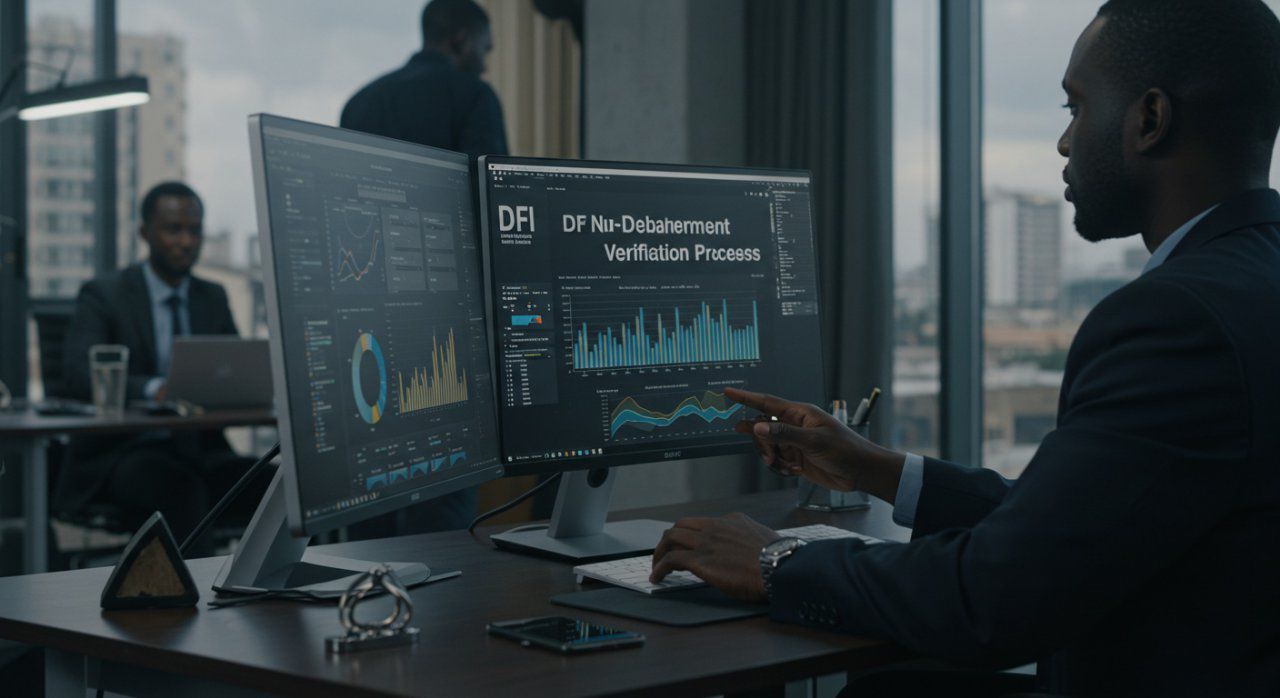
Our verification process is meticulous and data-driven to ensure maximum security for our clients. We begin by requesting original copies of insurance certificates and bond documents directly from the providers. We cross-reference this information with official regulatory databases to confirm authenticity. Our team looks for specific clauses that might affect coverage in the local Kenyan climate. We also verify the contact information for all insurers and bonding agents. If a certificate appears outdated or suspicious, we launch a secondary investigation. We provide our clients with a comprehensive report detailing the status of every document. This transparency allows you to make informed decisions about your project partners. We update these documents regularly to ensure continuous coverage throughout the construction duration. By maintaining a strict audit trail, we ensure that every contractor remains compliant. Our reputation as a top advisory firm in Nairobi is built on this attention to detail.
Mitigating Project Risks Through Due Diligence
Risk mitigation is the cornerstone of successful infrastructure development. By focusing on insurance and bonding, we address the most common sources of financial loss. Projects in Nairobi require a proactive stance against potential litigation or project abandonment. We identify risks before they manifest into actual problems on the construction site. Our due diligence extends beyond just checking papers; we evaluate the history of the insurance provider. We ensure that the coverage limits align with the complexity and cost of your specific infrastructure work. This strategic approach minimizes the possibility of gaps in your protection. We educate our clients on the importance of maintaining high insurance standards. When contractors know their documents are being verified, they are more likely to maintain proper coverage. This creates a culture of accountability and professionalism across your entire project team. We are committed to securing your project's future through rigorous and consistent oversight.
The Impact of Regulatory Compliance in Kenya
Navigating the regulatory landscape in Kenya is complex for any project owner. National laws mandate specific insurance requirements for construction projects. Our team stays updated on all changes to legislation that affect contractor requirements. We ensure that your partners follow the latest guidelines issued by local authorities. Non-compliance can lead to severe fines or even the suspension of your construction permit. We act as your liaison to ensure every document meets legal standards. By keeping your project compliant, we avoid unnecessary legal entanglements and delays. We understand the local market nuances and how they impact insurance policy terms. Our experts provide guidance on the types of bonds required for public versus private sector projects. We help you interpret complex legal jargon within insurance contracts. This expert support ensures that you are never caught unprepared by regulatory changes. We provide the stability needed to complete your infrastructure project on time and within budget.
Why Choose Fortisure Consulting
Fortisure Consulting is the leading advisory firm for infrastructure procurement in Nairobi. We bring years of experience and deep local knowledge to every project we manage. Our team is dedicated to providing thorough and reliable vetting services. We understand that your project is your biggest investment, and we treat it with the care it deserves. Our approach is collaborative, transparent, and results-oriented. We work closely with project owners to understand their specific risk profiles. Our services are designed to save you time and reduce your administrative burden. We leverage technology to track document expiration and renewal requirements automatically. This proactive management style ensures that you are always protected. Our clients trust us because we deliver consistent results and actionable insights. We are proud to contribute to the growth and development of Nairobi's infrastructure. Choose Fortisure Consulting for expert guidance and peace of mind on your next construction venture.