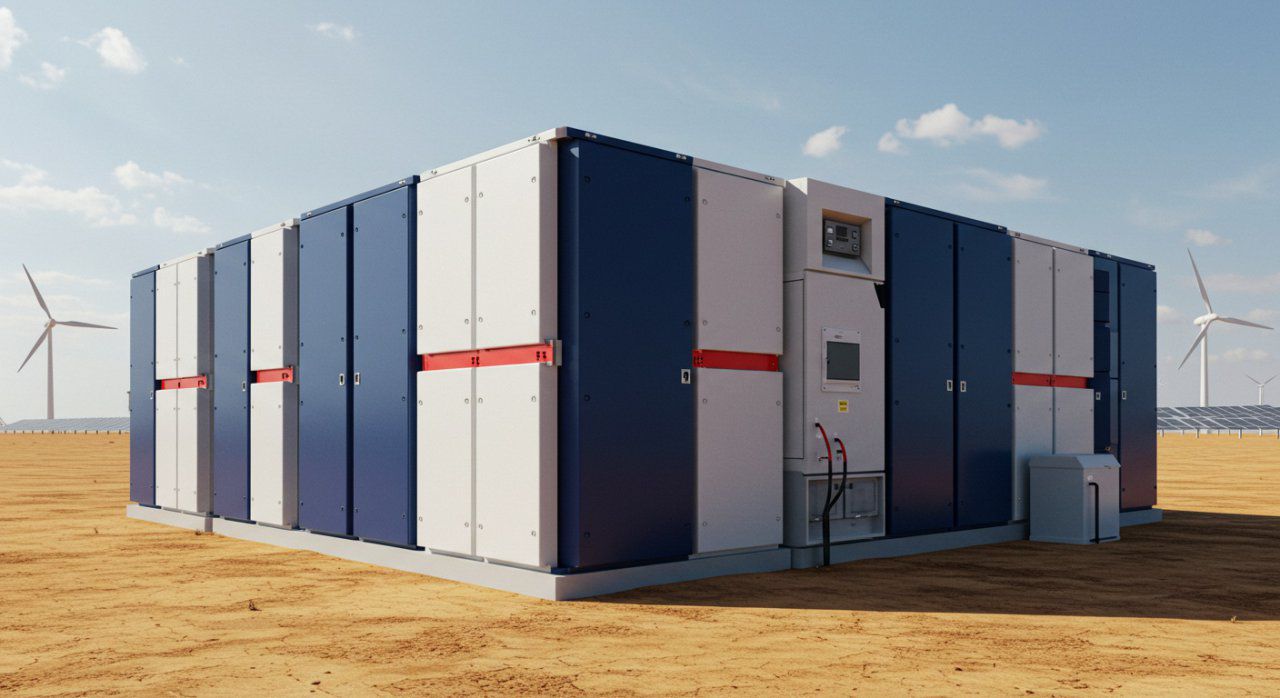

The Crucial Role of Quality Control in Energy Projects
In Nairobi's dynamic energy sector, ensuring the highest standards of construction and performance is paramount. Projects ranging from power generation to distribution networks demand meticulous oversight. This is where rigorous energy infrastructure contractor quality control becomes indispensable. Fortisure Consulting understands the complexities involved. We guide clients through establishing and implementing effective quality management systems. These systems are vital for project success, safety, and long-term operational reliability. Investing in strong quality control safeguards your assets and reputation.
Defining Quality Control in Energy Infrastructure
Quality control in energy infrastructure refers to the systematic processes used to ensure that materials, workmanship, and project outcomes meet predefined specifications and standards. It involves inspection, testing, and monitoring throughout the project lifecycle. For an energy infrastructure contractor quality control program, this means verifying that every component, from foundation to final commissioning, adheres to industry best practices and regulatory requirements. It's about proactive identification of potential defects or deviations before they escalate. This prevents costly rework and ensures the integrity of critical energy systems. Effective quality control builds confidence and minimizes risks for all stakeholders involved in Nairobi's growing energy landscape.

Key Elements of a Robust Quality Control Plan
A comprehensive quality control plan is the backbone of successful project execution. It should detail specific inspection points, acceptance criteria, and testing methodologies. For energy infrastructure contractor quality control, essential elements include material verification, weld inspections, concrete testing, and electrical system checks. Documentation is also critical, providing a clear audit trail of all quality assurance activities. Regular site inspections by qualified personnel are non-negotiable. Furthermore, the plan must outline corrective actions for non-conforming work. Clear communication channels between the client, contractor, and oversight bodies are vital. This ensures everyone is aligned on quality objectives and expectations.
Challenges in Implementing Quality Control

Implementing effective quality control presents several challenges, especially in large-scale energy projects. One significant hurdle is the sheer complexity of modern energy infrastructure. Numerous specialized components and intricate systems require distinct testing protocols. Another challenge is maintaining consistency across various contractors and subcontractors. Ensuring that all parties adhere to the same high standards demands constant vigilance and clear contractual obligations. Time and budget constraints can also pressure contractors to cut corners, potentially compromising quality. In the Nairobi context, local site conditions and environmental factors can introduce unique complexities that must be addressed within the quality control framework. Overcoming these requires a dedicated and experienced project management team.
The Role of Technology in Quality Control
Technology is revolutionizing how quality control is performed in the energy sector. Advanced inspection tools, such as drones equipped with high-resolution cameras and thermal imaging, can identify defects in hard-to-reach areas. Non-destructive testing (NDT) methods allow for thorough material analysis without damaging components. Digital platforms and cloud-based software streamline documentation, data collection, and reporting. These tools enhance transparency and efficiency in quality management. For contractors, leveraging technology can significantly improve the accuracy and speed of inspections. This proactive approach helps in maintaining the integrity of energy infrastructure assets throughout their lifecycle. Embracing these innovations is key for maintaining competitive advantage.
Benefits of Strict Quality Control
The benefits of implementing stringent quality control for energy infrastructure projects are substantial and far-reaching. Foremost is the assurance of safety and reliability. Well-controlled projects minimize the risk of accidents and operational failures, protecting both personnel and the public. Secondly, it leads to enhanced project efficiency and reduced costs. By catching issues early, rework and delays are minimized, preventing budget overruns. Thirdly, superior quality construction leads to longer asset lifespan and reduced maintenance requirements. This translates to significant long-term savings for asset owners. Finally, a strong reputation for quality attracts future investment and business opportunities. In Nairobi, demonstrating commitment to quality is crucial for sustainable growth.
Partnering for Excellence in Nairobi
Achieving exceptional quality in energy infrastructure projects requires expertise and a strategic approach. Fortisure Consulting specializes in providing advisory services for clients undertaking such ventures in Nairobi, Kenya. We help develop tailored quality control plans, select qualified contractors, and oversee implementation. Our deep understanding of the local regulatory environment and industry best practices ensures your projects meet the highest standards. We work closely with clients to mitigate risks and maximize project value. Partnering with Fortisure Consulting means entrusting your critical infrastructure needs to seasoned professionals. Let us help you build reliable, safe, and efficient energy systems for Kenya's future.