The Importance of Environmental Stewardship in Renewables
Nairobi is embracing renewable energy solutions to power its growth sustainably. As developers engage contractors for solar, wind, and geothermal projects, ensuring adherence to environmental regulations is critical. This is where robust renewable energy contractor environmental compliance becomes a non-negotiable aspect of project success. Fortisure Consulting recognizes the unique environmental sensitivities and regulatory landscape in Kenya. We help clients vet contractors to ensure they possess the expertise and commitment to meet all environmental obligations. Proper compliance safeguards the environment, enhances project reputation, and avoids costly penalties.
Understanding Environmental Regulations in Kenya
Kenya has a comprehensive framework for environmental management, overseen primarily by the National Environment Management Authority (NEMA). For renewable energy projects, this includes requirements for Environmental Impact Assessments (EIAs), adherence to waste management protocols, and protection of biodiversity. A contractor must demonstrate a thorough understanding of these regulations. Ensuring renewable energy contractor environmental compliance means verifying their knowledge of permits, licensing, and ongoing monitoring requirements. This includes managing construction impacts, controlling emissions, and handling any hazardous materials appropriately. Fortisure Consulting assists in navigating these complex requirements to ensure your projects align with national environmental goals.

Key Compliance Areas for Renewable Contractors
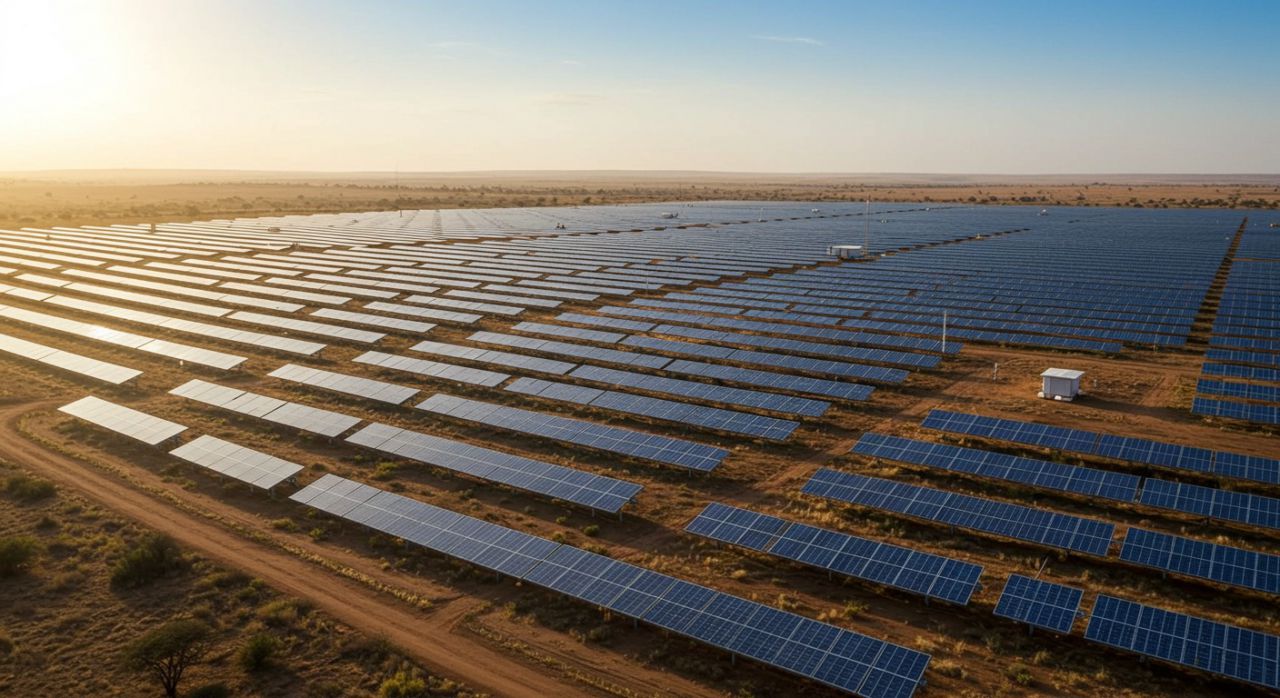
Renewable energy projects, while beneficial, can have specific environmental impacts if not managed correctly. Key compliance areas for contractors include site preparation, construction phase impacts, and operational phase considerations. This involves responsible land use, minimizing soil erosion, and protecting water sources. Proper disposal of construction waste, including packaging and obsolete materials, is essential. For solar projects, this means responsible handling of photovoltaic panels. For wind projects, considerations include avian impact assessments and noise pollution. Geothermal projects require careful management of emissions and potential water contamination. Fortisure Consulting helps identify contractors adept at managing these diverse environmental responsibilities.
Vetting Contractors for Environmental Prowess

Selecting the right contractor is the first step towards ensuring environmental compliance. Fortisure Consulting employs a rigorous vetting process. We assess a contractor's track record, certifications, and internal environmental policies. This includes reviewing their past performance on similar projects, especially within Nairobi and surrounding regions. We look for evidence of strong environmental management systems (EMS) and a proactive approach to sustainability. Experience with NEMA regulations and permitting processes is a significant factor. Understanding a contractor's approach to stakeholder engagement regarding environmental concerns is also crucial. This due diligence ensures you partner with entities committed to responsible development.
Implementing Environmental Management Systems (EMS)
An effective Environmental Management System (EMS) is crucial for any contractor undertaking renewable energy projects. An EMS provides a systematic framework for managing environmental aspects, reducing impacts, and ensuring continuous improvement. For a contractor, this typically involves establishing environmental policies, identifying significant environmental aspects, setting objectives and targets, and implementing operational controls. Regular audits and reviews are integral to the EMS. Fortisure Consulting advises clients on the importance of verifying that their chosen contractor has a robust and functional EMS in place. This system should be tailored to the specific project and its potential environmental risks.
Consequences of Non-Compliance
The repercussions of failing to meet environmental compliance standards can be severe. Non-compliance can lead to significant fines from regulatory bodies like NEMA, project delays, and even project suspension. Beyond financial penalties, environmental breaches can severely damage a company's reputation and stakeholder trust. This can impact future business opportunities and investor confidence. In the context of renewable energy, which relies heavily on positive public perception, environmental missteps are particularly damaging. Fortisure Consulting helps clients proactively mitigate these risks by ensuring their contractors prioritize and achieve full renewable energy contractor environmental compliance.
Partnering for Sustainable Energy Development
Fortisure Consulting is your dedicated partner in navigating the complexities of renewable energy development in Nairobi. We provide specialized advisory services to ensure your chosen contractors meet stringent environmental compliance standards. Our expertise helps mitigate risks, secure necessary approvals, and promote sustainable practices. By partnering with us, you gain peace of mind knowing your projects contribute positively to Kenya's environmental goals. Let Fortisure Consulting guide your renewable energy ventures towards a compliant and sustainable future. Contact us to discuss your project needs and how we can support your success.