The Significance of Effective Project Management in Renewable Energy
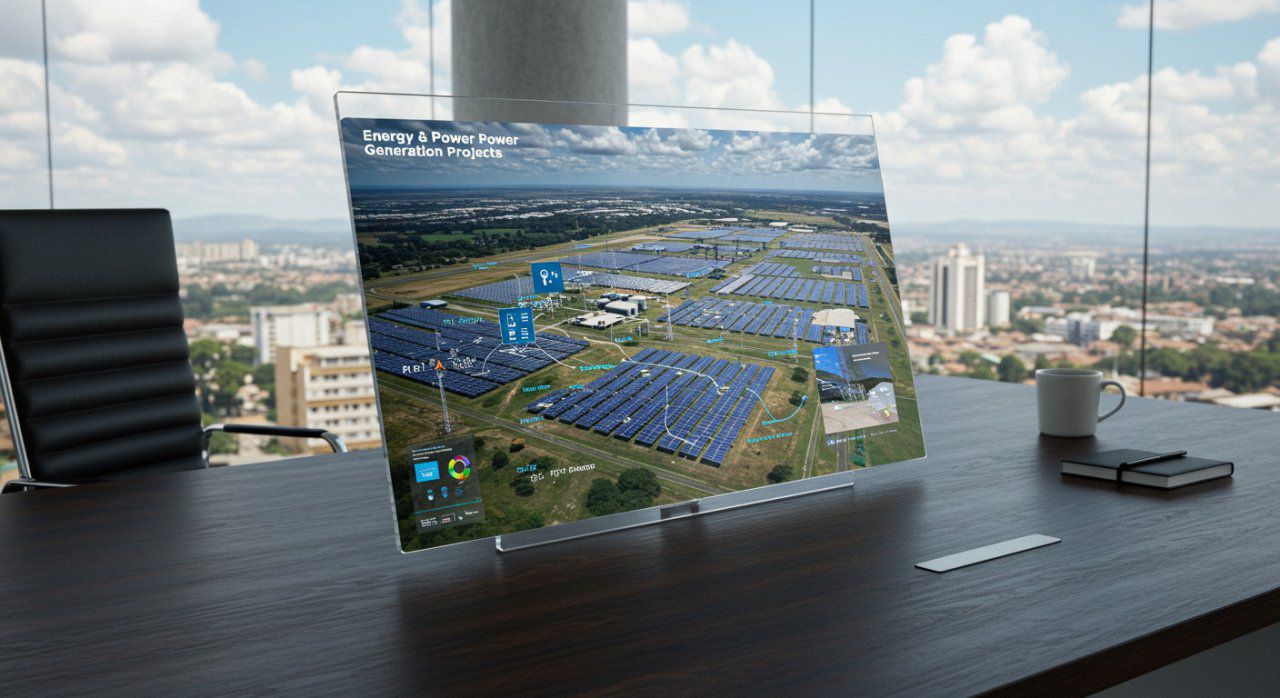
The transition to renewable energy sources is accelerating in Nairobi, Kenya. This growth presents significant opportunities for contractors in the solar, wind, and geothermal sectors. Success hinges on effective renewable energy contractor project management. These projects are often complex, involving diverse stakeholders, stringent timelines, and evolving technologies. Fortisure Consulting provides specialized advisory services. We help contractors navigate the unique challenges of managing renewable energy projects. Our expertise ensures efficient execution, cost control, and successful delivery in Nairobi's vibrant market.
Unique Aspects of Renewable Energy Projects
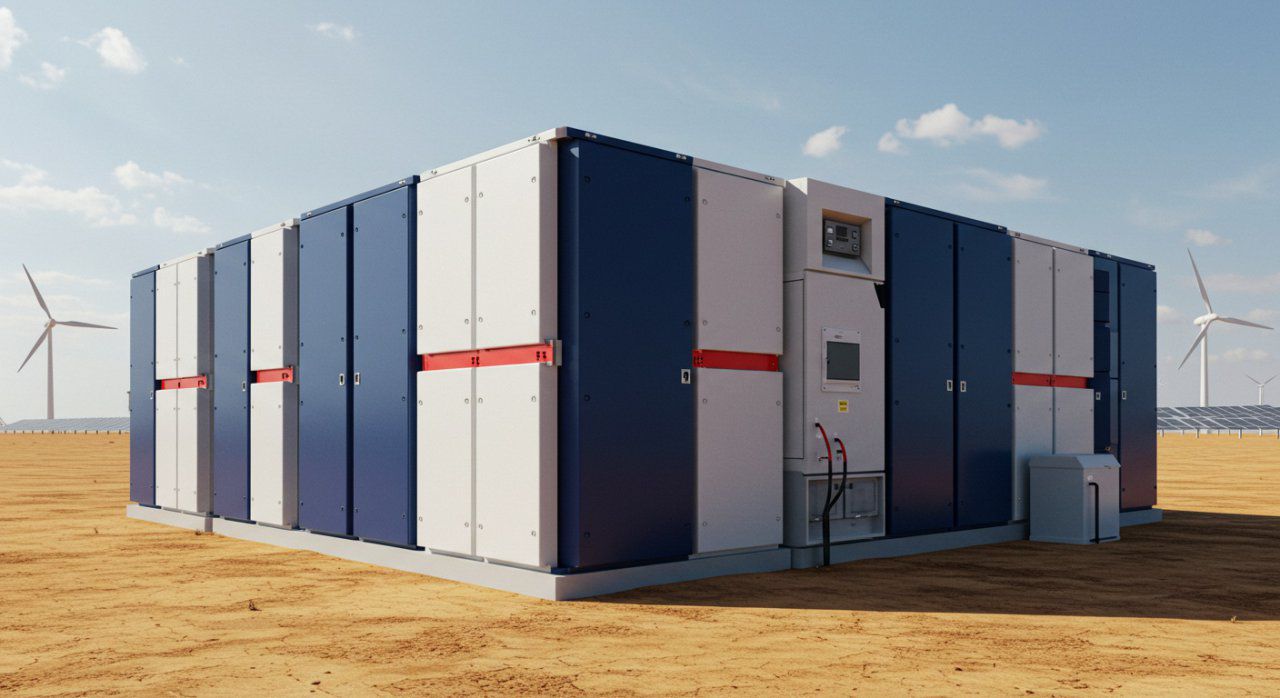
Renewable energy projects, such as solar farms or wind installations, have distinct characteristics. Site selection often involves environmental impact assessments and land acquisition complexities. Technology integration, including grid connection and energy storage, requires specialized knowledge. Weather dependency, particularly for solar and wind, impacts scheduling and execution. Regulatory frameworks and incentive programs can also change, affecting project economics. Therefore, specialized renewable energy contractor project management is crucial. Fortisure Consulting understands these nuances.

Key Elements of Successful Project Management
Effective project management in the renewable energy sector involves several key elements. These include meticulous planning, encompassing scope definition, resource allocation, and scheduling. Robust risk management is vital to anticipate and mitigate potential issues. Stakeholder management ensures clear communication with clients, regulators, and local communities. Quality assurance guarantees that installations meet performance standards. Budget control is essential for profitability. Fortisure Consulting provides frameworks to optimize these elements for contractors in Nairobi.
Scope Definition and Planning

The foundation of any successful project is a well-defined scope. For renewable energy projects, this includes clearly outlining the technology, capacity, and deliverables. Detailed planning involves creating realistic timelines and resource plans. It requires identifying all necessary permits and approvals. Fortisure Consulting assists contractors in developing comprehensive project plans. We ensure that the scope is clearly understood by all parties. This prevents scope creep and ensures alignment from the outset.
Risk Management and Mitigation
Renewable energy projects face unique risks, from technical challenges to regulatory changes. Effective renewable energy contractor project management includes proactive risk identification and mitigation. This involves assessing potential threats like equipment failure, grid interconnection delays, or changes in government policy. Developing contingency plans for these scenarios is crucial. Fortisure Consulting helps contractors build robust risk management strategies. We ensure preparedness for unforeseen challenges in Kenya's energy sector.
Stakeholder Engagement and Communication
Successful projects require seamless coordination among various stakeholders. This includes the client, technology suppliers, grid operators, and local communities. Clear, consistent communication is paramount. Fortisure Consulting emphasizes effective stakeholder engagement strategies. We help contractors build strong relationships. This ensures smooth project progression and addresses concerns proactively. Transparent communication is key to trust and collaboration in Nairobi.
Quality Assurance and Performance Monitoring
Ensuring the quality and long-term performance of renewable energy installations is critical. This involves implementing rigorous quality assurance processes throughout the project lifecycle. It includes monitoring key performance indicators (KPIs) post-installation. This ensures the system operates efficiently and meets energy generation targets. Fortisure Consulting advises on establishing effective quality control measures. We help contractors guarantee the reliability of their renewable energy solutions.