
Safety First in Solar Energy Projects
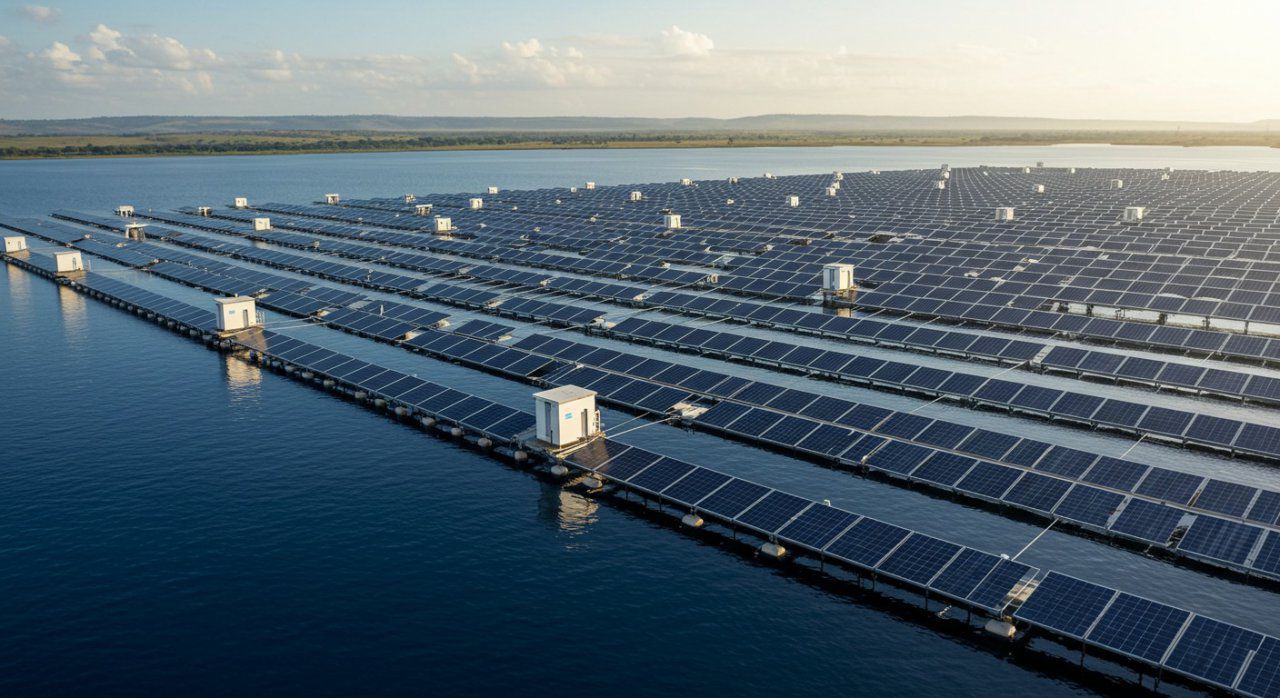
The rapid expansion of solar power in Nairobi presents exciting opportunities for clean energy. However, the installation and maintenance of solar infrastructure involve inherent risks. Robust solar power contractor safety management is crucial to protect workers, the public, and assets. Fortisure Consulting understands the unique safety challenges associated with solar projects, from rooftop installations to large-scale solar farms. We guide clients in selecting and overseeing contractors who prioritize and implement comprehensive safety protocols. Ensuring safety is not just a regulatory requirement; it's fundamental to project success and ethical operation.
Understanding Safety Risks in Solar Installations
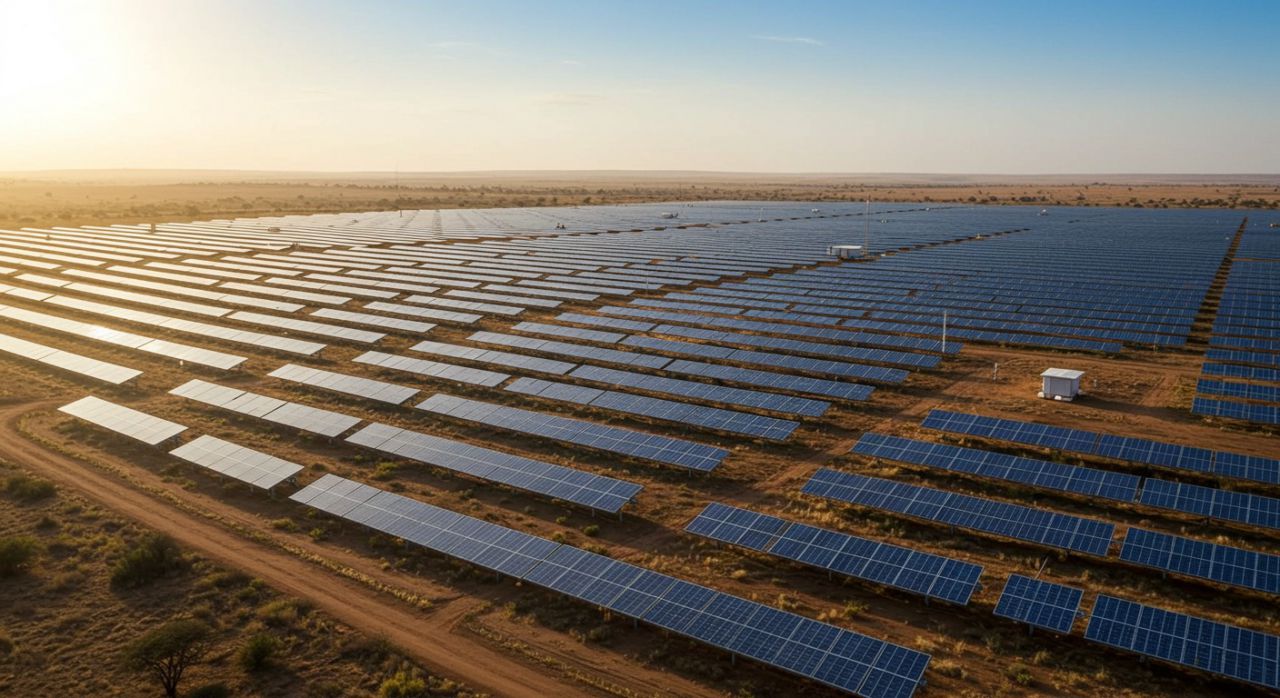
Solar power installations, while beneficial, carry specific safety risks that require diligent management. Working at heights, particularly on rooftops, poses fall hazards. Electrical hazards are significant, involving high DC and AC voltages during installation, testing, and maintenance. Handling heavy components like solar panels and mounting structures requires proper lifting techniques and equipment. Site hazards, such as uneven terrain or live electrical infrastructure, also need careful consideration. Effective solar power contractor safety management involves identifying these risks and implementing controls to mitigate them. This requires a proactive and systematic approach throughout the project lifecycle.
Key Components of a Safety Management Plan
A comprehensive safety management plan is the cornerstone of safe solar project execution. It should detail policies, procedures, and responsibilities for all personnel involved. Key components include risk assessments for specific tasks, clear protocols for working at heights (including fall arrest systems), and strict electrical safety procedures (e.g., lockout/tagout). Emergency response plans, including first aid provisions and evacuation procedures, are vital. Training and competency verification for all workers are non-negotiable. Fortisure Consulting helps clients ensure their contractors develop and rigorously implement such plans.
Selecting Contractors with Strong Safety Records
Choosing a contractor with a proven commitment to safety is paramount. Fortisure Consulting assists clients in vetting potential solar contractors based on their safety performance. This involves reviewing their safety manuals, incident reports, lost-time injury frequency rates (LTIFR), and any certifications related to safety management (e.g., OHSAS 18001 or ISO 45001). We assess their training programs and their approach to fostering a strong safety culture on-site. A contractor's willingness to adapt safety protocols to specific project conditions in Nairobi is also a key consideration.
Implementing Safety Protocols On-Site
Effective safety management extends beyond planning; it requires consistent implementation on the ground. This involves regular site safety inspections, toolbox talks to reinforce safety messages, and strict enforcement of safety rules. Supervisors must actively monitor work practices and intervene when unsafe conditions or behaviors are observed. Proper use of Personal Protective Equipment (PPE) must be mandated and enforced. Fortisure Consulting advises clients on establishing clear lines of communication for reporting safety concerns and ensuring prompt investigation and resolution of any incidents. This continuous oversight is vital for maintaining a safe working environment.
Benefits of Prioritizing Safety
Prioritizing solar power contractor safety management yields numerous benefits. Most importantly, it protects the health and well-being of workers, preventing injuries and fatalities. It also reduces the risk of project delays caused by accidents or regulatory shutdowns. Strong safety performance enhances a contractor's reputation, making them more attractive for future projects. Furthermore, it minimizes the potential for costly litigation, insurance claims, and fines. Ultimately, a safe project is an efficient and successful project, contributing positively to the reputation of all involved parties in Nairobi's growing solar sector.
Partnering for Safe Solar Development
Fortisure Consulting is your trusted partner for ensuring safety in solar power projects across Nairobi and Kenya. We provide expert advisory services to help you select contractors with robust safety management systems and oversee their implementation. Our goal is to help you achieve your renewable energy objectives while upholding the highest standards of health and safety. We understand the regulatory landscape and best practices in the industry. Let Fortisure Consulting guide your solar projects towards safe, efficient, and successful completion. Contact us today to discuss your safety management needs.