The Evolution of Project Startups: Embracing Virtual Commissioning
In Nairobi, Kenya, the development of energy infrastructure projects is crucial for economic growth and energy security. Traditionally, the commissioning phase—the process of bringing a new facility online—has been a complex and time-consuming stage. However, the advent of energy infrastructure project virtual commissioning is revolutionizing this process. Virtual commissioning uses simulation and digital models to test and validate control systems and operational logic before physical construction is complete. This approach significantly reduces risks, accelerates timelines, and lowers costs associated with traditional commissioning. Fortisure Consulting provides expert guidance to harness the power of virtual commissioning for energy projects in Nairobi.
What is Virtual Commissioning?
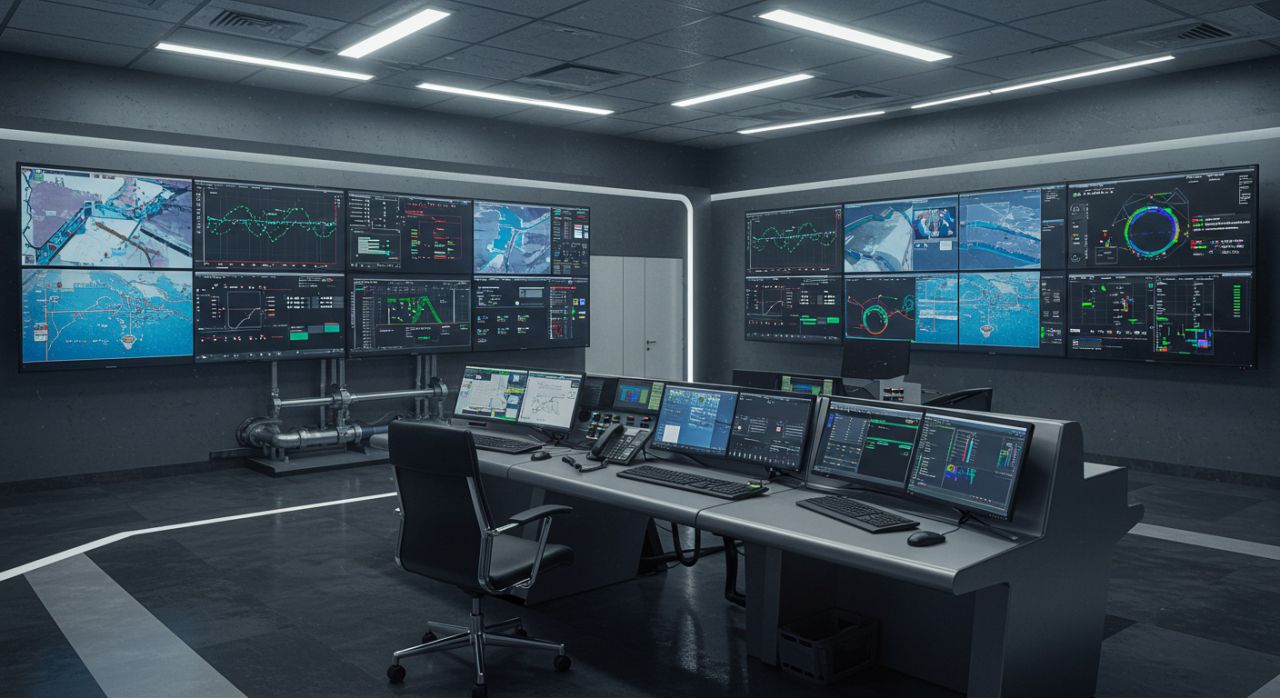
Virtual commissioning is a method where the control system of a physical asset, such as a power plant or a renewable energy facility, is tested and validated in a simulated environment. This involves creating a high-fidelity digital twin or model of the project's physical components and control logic. The actual control software is then interfaced with this simulation. Engineers can then run the system through various operational scenarios, identifying and resolving potential issues before they arise in the real world. For any complex energy infrastructure project virtual commissioning provides a safe and efficient sandbox. It allows for thorough testing of automation, safety systems, and operational sequences, ensuring readiness for physical startup.

Key Technologies and Methodologies
The successful implementation of virtual commissioning relies on a suite of advanced technologies. High-fidelity simulation software creates realistic digital models of the plant or equipment. Advanced PLC (Programmable Logic Controller) emulators or the actual controllers are used to test the software logic. Integration platforms connect the simulation environment with the control hardware and software. Data historians and visualization tools allow engineers to monitor and analyze system performance during the virtual tests. In Nairobi, leveraging these tools enables comprehensive testing of complex systems, from power generation units to transmission and distribution networks. Fortisure Consulting helps clients select and integrate the right technologies for their specific energy projects in Kenya.
Advantages of Virtual Commissioning for Nairobi Projects

Adopting virtual commissioning for energy infrastructure projects in Nairobi offers substantial advantages. Firstly, it significantly reduces the time required for the physical commissioning phase, leading to faster project completion and revenue generation. Secondly, it minimizes risks associated with on-site testing, such as equipment damage or safety incidents. Identifying and fixing issues in a virtual environment is far less costly and time-consuming than doing so during physical startup. Thirdly, it enhances the quality and reliability of the control systems, leading to smoother operations post-launch. This improved performance is critical for meeting energy demands in Kenya. The detailed insights gained also support better operator training.
Applications in the Energy Sector
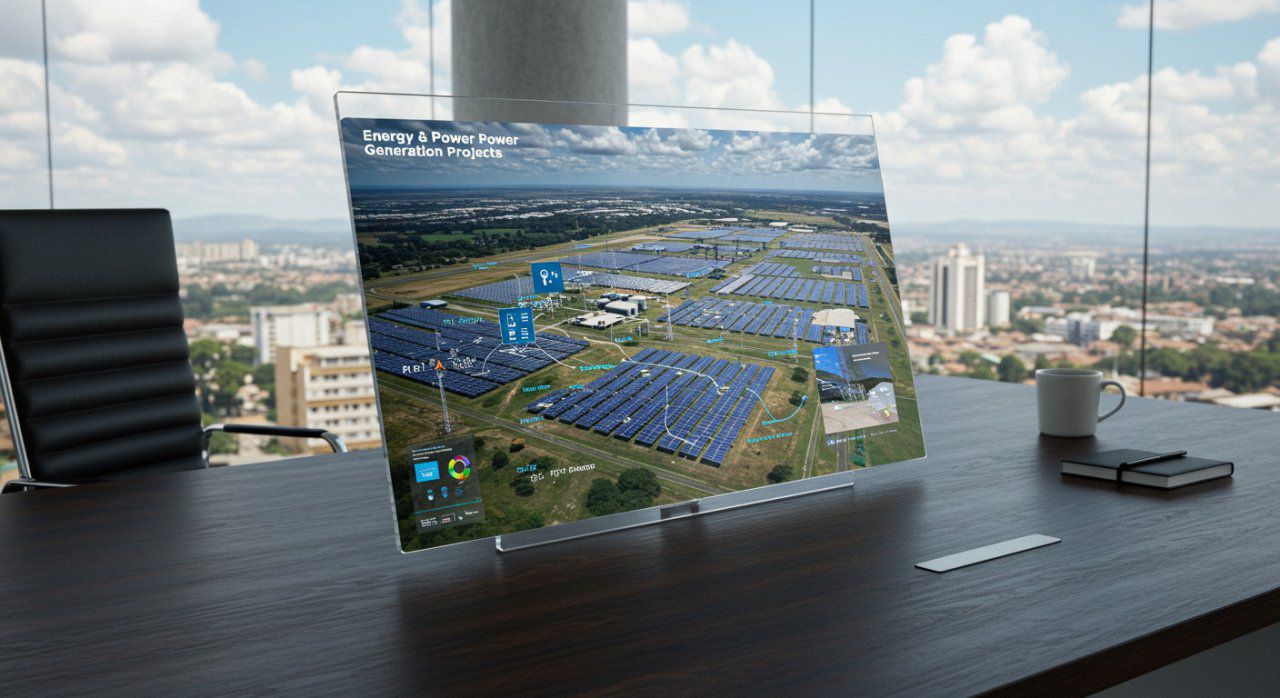
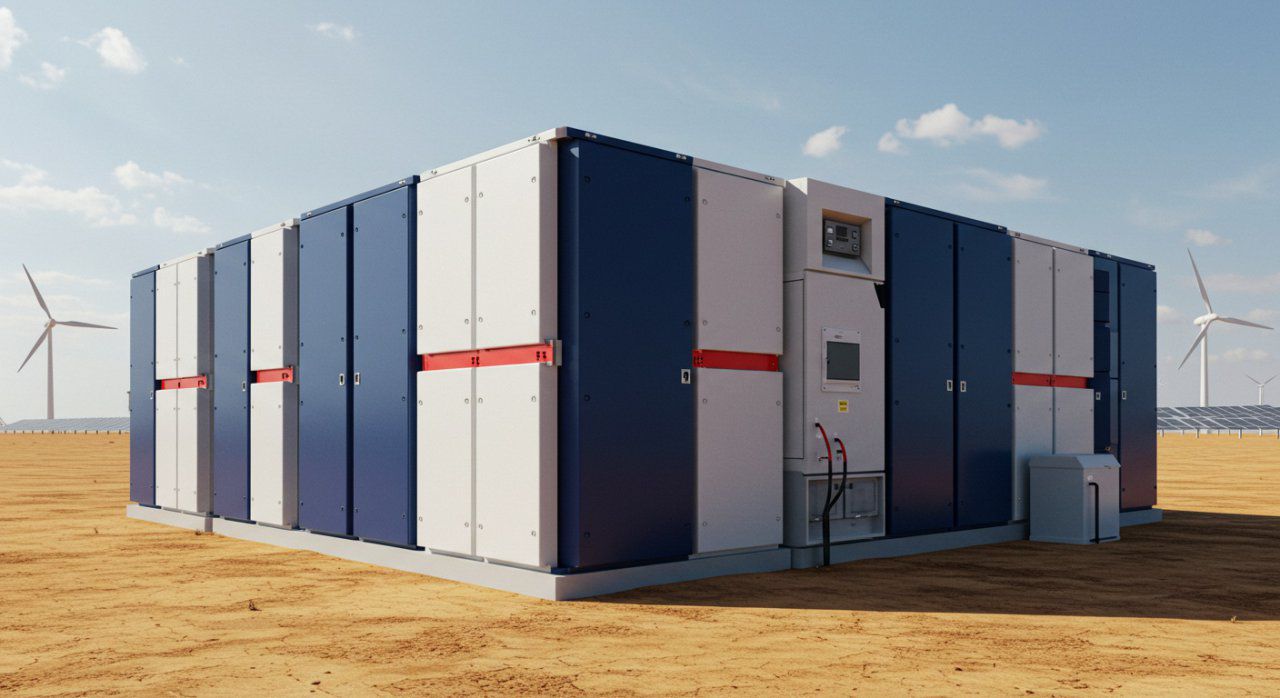
Virtual commissioning is applicable across a wide range of energy infrastructure projects. This includes new power plant constructions (fossil fuel, renewable, nuclear), upgrades to existing facilities, and the development of transmission and distribution networks. For renewable energy projects like solar or wind farms, it can optimize grid connection and energy management systems. In the oil and gas sector, it's used for testing control systems in refineries, processing plants, and pipeline operations. Fortisure Consulting assists clients in Nairobi to tailor virtual commissioning strategies to the unique requirements of their specific energy infrastructure projects, ensuring optimal outcomes for Kenya.
Fortisure Consulting's Virtual Commissioning Expertise
Fortisure Consulting is a trusted partner for energy companies in Nairobi seeking to implement energy infrastructure project virtual commissioning. Our team possesses deep expertise in control systems engineering, simulation technologies, and project management within the energy sector. We guide clients through every step of the virtual commissioning process, from defining simulation requirements and selecting appropriate tools to executing test protocols and validating results. Our goal is to de-risk your project, accelerate your timeline, and ensure a successful, efficient startup. We are committed to enhancing the reliability and performance of Kenya's energy infrastructure through innovative solutions.
The Future of Commissioning in Kenya's Energy Sector
The future of commissioning for energy infrastructure projects in Kenya is increasingly digital. Virtual commissioning is set to become standard practice, moving beyond its current adoption phase. We expect further integration with digital twins, creating a continuous cycle of design, simulation, operation, and optimization. Advanced AI and machine learning will enhance the predictive capabilities of simulations, anticipating potential operational challenges with greater accuracy. As Kenya's energy demands grow, the need for rapid, reliable, and cost-effective project delivery will intensify. Embracing energy infrastructure project virtual commissioning is essential for companies aiming to lead in this dynamic market and contribute to the nation's development.