
Introduction to Digital Twins in Energy Production
In Nairobi's growing energy landscape, optimizing production from existing assets is crucial for meeting demand and ensuring sustainability. A energy sector project digital twin represents a paradigm shift in how production facilities are managed. This virtual replica of a power plant or energy generation asset integrates real-time operational data, enabling advanced performance monitoring, predictive analytics, and process optimization. Fortisure Consulting, a leading infrastructure procurement advisor in Kenya, understands the value of such technologies. We guide energy companies in Nairobi to effectively implement and utilize a energy sector project digital twin to enhance output, reduce operational costs, and improve overall asset performance.
What is an Energy Sector Project Digital Twin for Production?
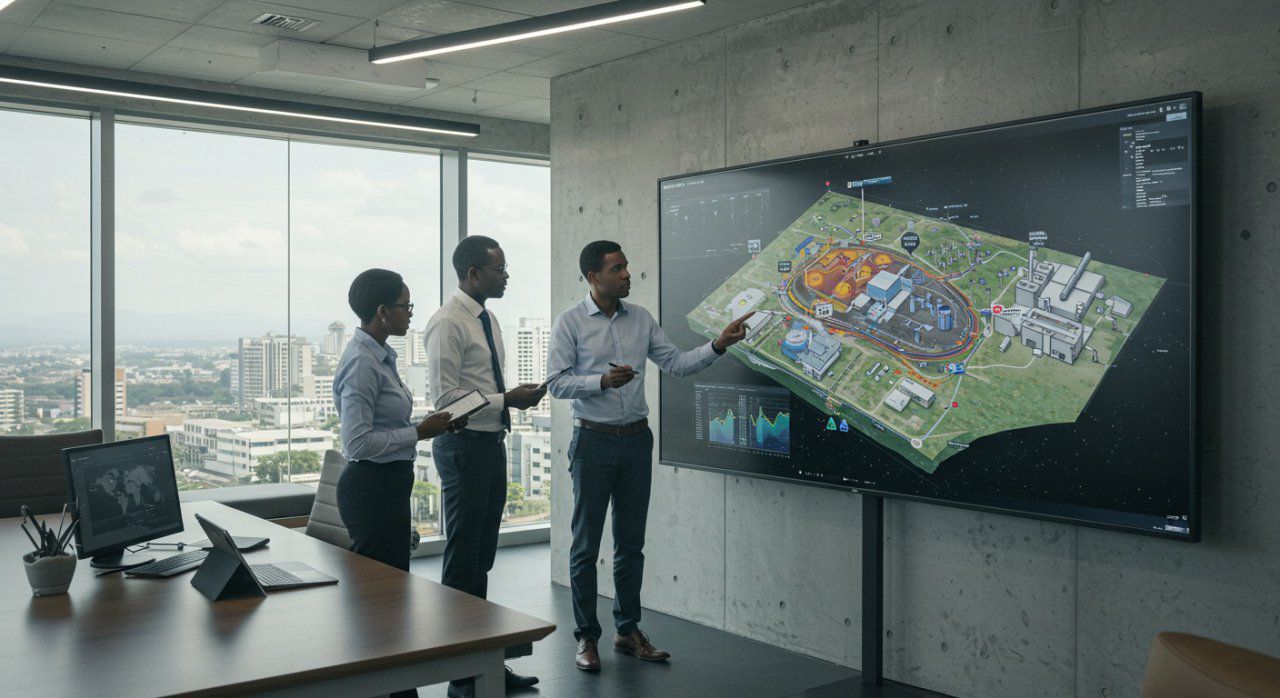
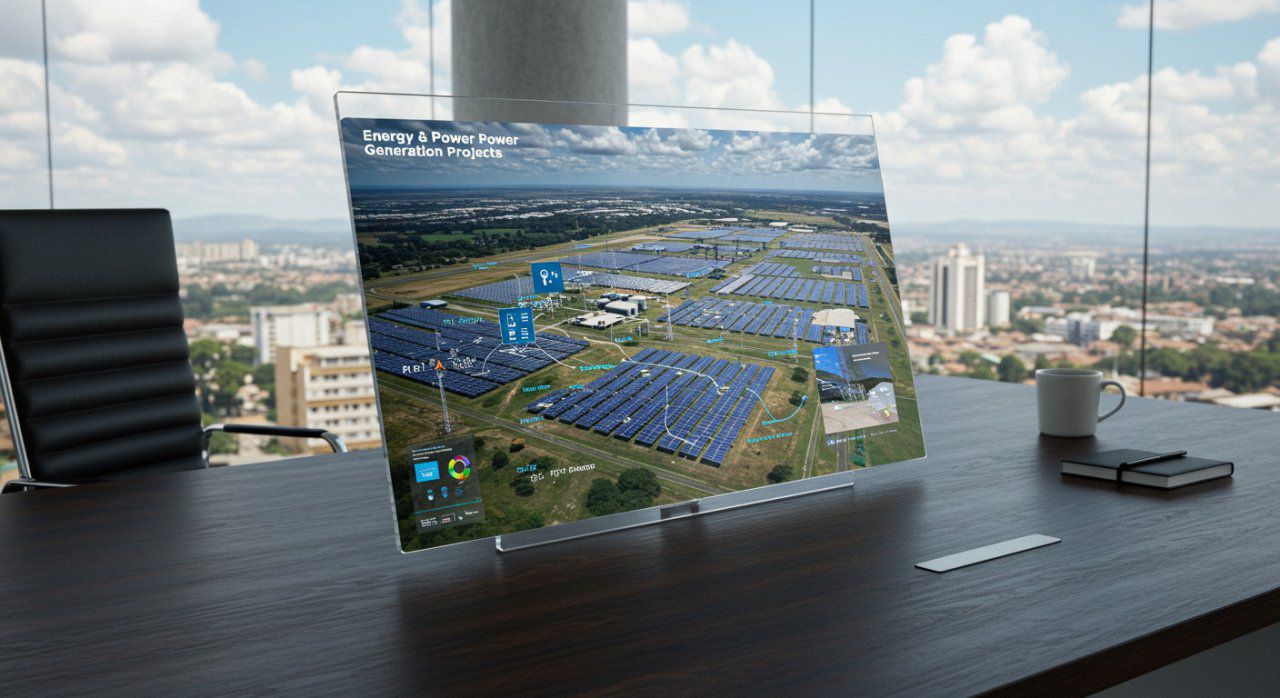
An energy sector project digital twin for production is a dynamic virtual representation of an energy generation facility, such as a power plant, including its turbines, generators, control systems, and associated infrastructure. It is built using data from operational sensors, SCADA systems, maintenance logs, and performance metrics. This twin continuously mirrors the physical asset's state, allowing operators to monitor production in real-time, simulate different operating scenarios, and predict potential issues. For a production facility in Nairobi, this means having a comprehensive tool to understand energy output, equipment health, and process efficiency. It bridges the gap between physical operations and digital insights, enabling smarter, data-driven decisions.
Benefits for Energy Production in Nairobi
Implementing a energy sector project digital twin offers substantial benefits for energy production facilities in Nairobi and across Kenya. Firstly, it enables real-time performance optimization. Operators can monitor key performance indicators (KPIs) like energy output, efficiency, and fuel consumption, making adjustments to maximize generation. Secondly, it facilitates predictive maintenance, reducing unplanned downtime. By analyzing operational data, the twin can predict potential equipment failures, allowing for proactive maintenance scheduling. Thirdly, it improves overall operational efficiency. Simulations can identify bottlenecks or areas for improvement in the production process. Finally, it enhances safety by monitoring critical parameters and predicting hazardous conditions, ensuring the well-being of personnel and the integrity of the plant.
Real-time Performance Monitoring and Optimization

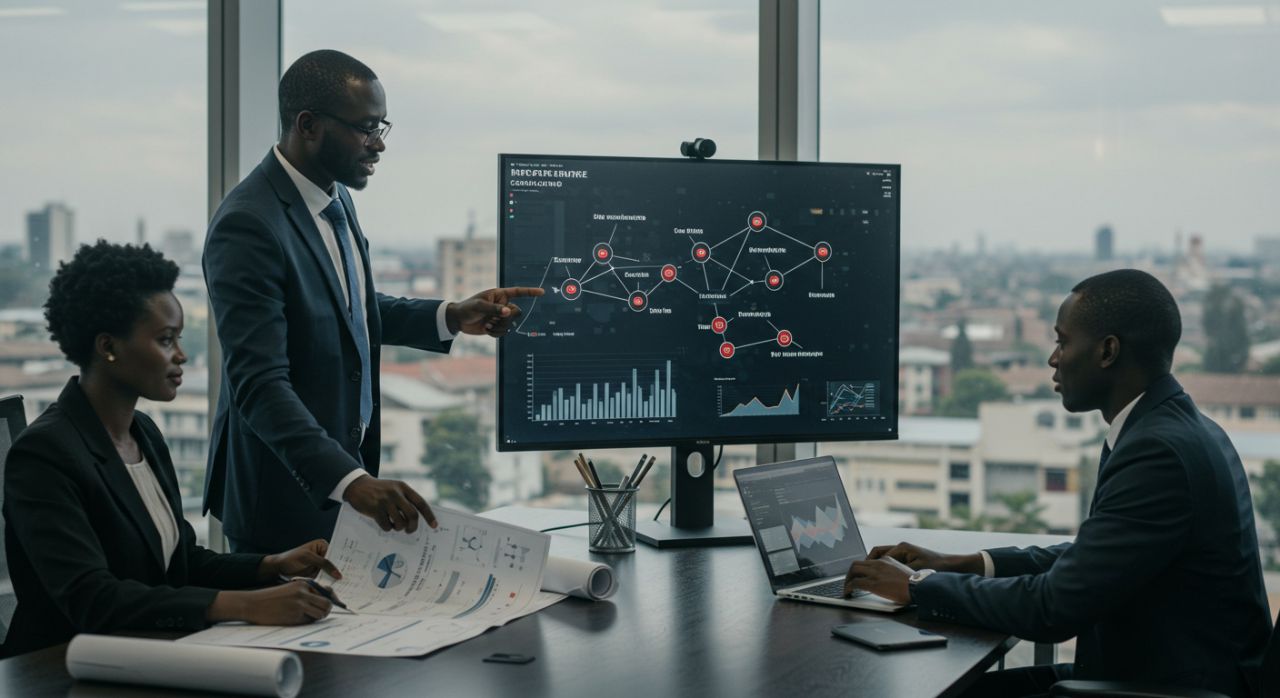
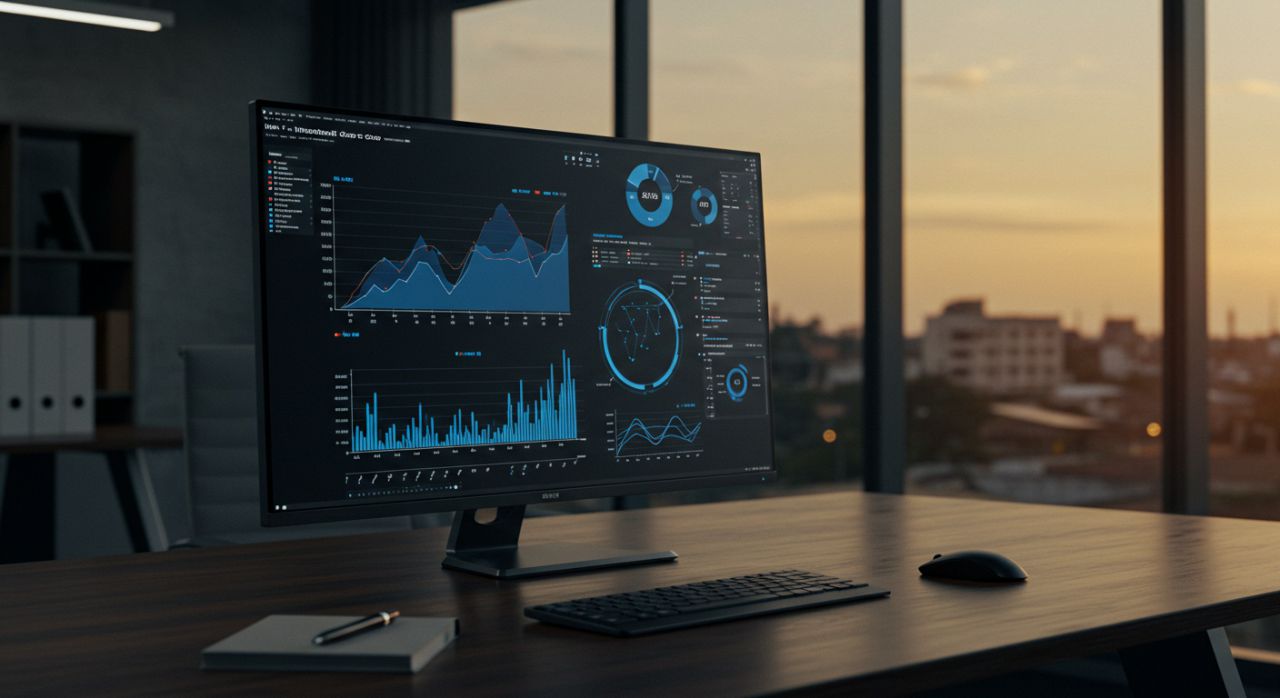
Maximizing energy output requires constant monitoring and fine-tuning of production processes. A digital twin provides an unparalleled view of real-time performance. Operators can track energy generation levels, fuel efficiency, and equipment status instantaneously. The twin can correlate operational data with external factors, such as grid demand or weather conditions, to optimize output accordingly. For example, in a thermal power plant, the twin can help optimize boiler efficiency or turbine performance based on real-time data. This continuous optimization, driven by the energy sector project digital twin, ensures that the facility operates at its peak potential, delivering maximum energy reliably to Nairobi's grid.
Predictive Maintenance for Production Assets
Unplanned downtime in energy production can be extremely costly. A digital twin revolutionizes maintenance by enabling predictive capabilities. Sensors on critical equipment like turbines, generators, and pumps feed data—such as temperature, vibration, and pressure—into the twin. The twin analyzes this data for anomalies that indicate potential failures. For instance, unusual vibration patterns in a generator might signal bearing wear. The energy sector project digital twin can alert maintenance teams, allowing them to schedule repairs before a breakdown occurs. This shifts maintenance from a reactive or time-based approach to a condition-based, predictive strategy, minimizing disruptions and extending asset life.
Simulation and Scenario Planning
The ability to simulate different operating scenarios is a powerful feature of a digital twin. Energy production facilities often face varying demand, fuel availability, or equipment constraints. The twin allows operators to model the impact of these changes before implementing them in the real world. For example, they can simulate the effect of increasing load on a turbine or assess the efficiency of different fuel blends. This capability helps in making informed decisions, optimizing operational strategies, and planning for contingencies. The energy sector project digital twin empowers facility managers in Nairobi to proactively adapt to changing conditions and maximize production efficiency under diverse circumstances.
Fortisure Consulting: Your Partner in Production Excellence
Adopting digital twin technology requires strategic planning and expert guidance. Fortisure Consulting provides premier infrastructure procurement advisory services for the energy sector in Nairobi, Kenya. We help organizations understand and implement digital twin solutions tailored to their production needs. Our expertise covers assessing requirements, selecting appropriate technologies, and ensuring seamless integration into existing operations. Partner with Fortisure Consulting to leverage the full potential of an energy sector project digital twin, driving efficiency, reliability, and profitability in your energy production facilities.