The Evolving Needs of the Energy Workforce
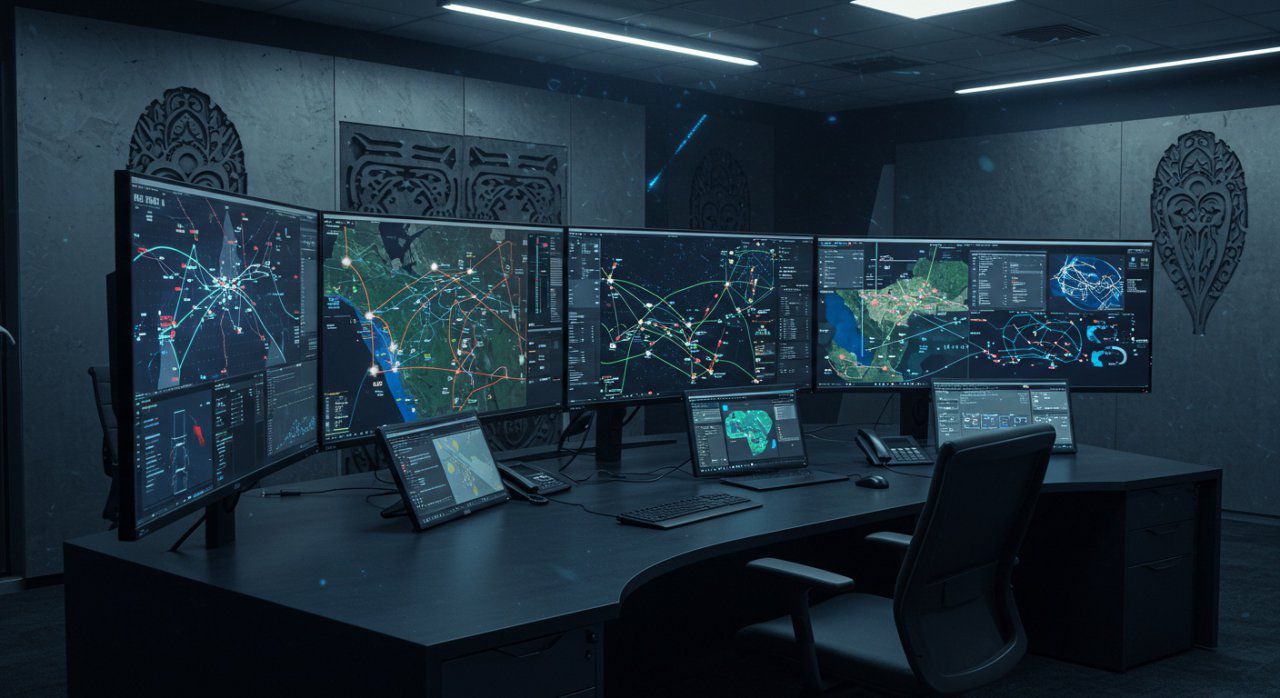
Kenya's energy sector is rapidly modernizing, driven by technological advancements and the need for greater efficiency and safety. This evolution places new demands on the workforce. Traditional skill sets are being complemented by digital competencies, requiring new approaches to training, management, and operation. Energy sector project digital workforce solutions are essential for equipping teams in Nairobi and across the country with the tools and skills needed to thrive. Fortisure Consulting, a leading infrastructure procurement advisory, specializes in helping energy companies implement these transformative solutions, ensuring their workforce is future-ready.
Bridging the Digital Skills Gap
A significant challenge facing the energy sector is the growing digital skills gap. As projects become more technology-dependent, there is an increasing need for personnel proficient in digital tools and platforms. Energy sector project digital workforce solutions address this by providing access to advanced training, digital skill development programs, and platforms that facilitate knowledge sharing. This includes training on data analytics, digital collaboration tools, remote monitoring systems, and automation technologies. Equipping the workforce in Nairobi and beyond with these skills is crucial for maintaining operational excellence and driving innovation within Kenya's energy projects.

Enhancing Productivity and Efficiency
Digital solutions can dramatically enhance the productivity and efficiency of the energy sector workforce. Mobile applications provide field technicians with real-time access to work orders, technical documentation, and diagnostic tools, reducing downtime and improving first-time fix rates. Digital collaboration platforms enable seamless communication and information sharing among project teams, regardless of their location. Advanced analytics can optimize workforce scheduling and resource allocation. By leveraging these tools, companies operating in Nairobi can ensure their teams are more effective, responsive, and capable of handling complex project demands across Kenya.
Improving Safety and Compliance

Safety is paramount in the energy sector. Digital workforce solutions play a critical role in improving safety performance and ensuring regulatory compliance. Wearable technology can monitor worker vital signs and environmental conditions in hazardous areas. Augmented Reality (AR) can provide real-time guidance for complex maintenance tasks, reducing the risk of human error. Digital platforms facilitate easier reporting of safety incidents and near misses, enabling prompt corrective actions. Fortisure Consulting helps energy companies in Nairobi implement solutions that create a safer working environment and maintain strict adherence to safety standards throughout their projects in Kenya.
Types of Digital Workforce Solutions
A variety of digital solutions cater to the needs of the energy workforce. Mobile Field Service Management (FSM) software streamlines work order management and technician dispatch. Digital training and learning management systems (LMS) deliver customized skill development programs. Collaboration and communication platforms foster teamwork and knowledge sharing. Wearable devices and IoT sensors provide real-time data for safety and performance monitoring. Augmented and Virtual Reality (AR/VR) offer immersive training and operational support. Fortisure Consulting advises on selecting the most appropriate mix of these solutions for projects in Nairobi.
Implementation Strategies for Kenya
Implementing digital workforce solutions requires a thoughtful strategy, especially within the context of Kenya's developing infrastructure. Key considerations include ensuring adequate connectivity in remote project sites, selecting user-friendly interfaces that require minimal training, and aligning solutions with existing operational workflows. A phased rollout approach, starting with pilot projects, can help manage the transition. Continuous training and support are vital for user adoption. Fortisure Consulting partners with clients in Nairobi to develop tailored implementation plans that address these specific challenges and maximize the benefits of digital transformation for their workforce.
The Future Workforce in Energy
The future energy workforce will be highly digitally enabled, adaptable, and focused on continuous learning. Automation and AI will handle routine tasks, freeing up human workers for more complex problem-solving and decision-making roles. Remote operations and monitoring will become more common, requiring strong digital communication skills. Lifelong learning and upskilling will be essential to keep pace with technological advancements. Energy sector project digital workforce solutions are not just about adopting new tools; they are about cultivating a culture of innovation and adaptability within the workforce, preparing Kenyan companies for the future of energy.