The Rise of Edge Computing in Energy Infrastructure
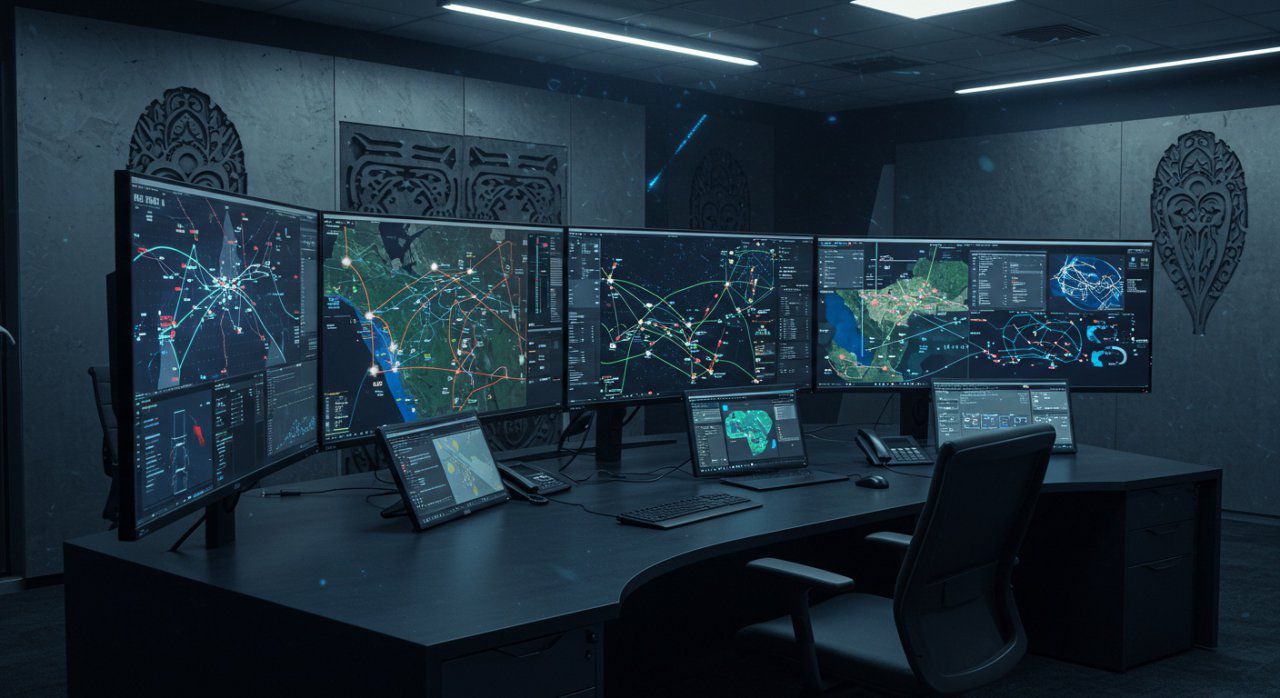
As Nairobi, Kenya, continues to expand its energy infrastructure, the need for real-time data processing and analysis at the source becomes critical. Energy sector project edge computing applications offer a powerful solution. Edge computing brings computation and data storage closer to where data is generated, enabling faster insights and quicker responses. This is particularly beneficial for managing distributed energy resources, smart grids, and remote operations. Fortisure Consulting provides expert advisory in Nairobi, helping energy companies harness the power of edge computing. We guide the implementation of these applications to enhance efficiency, reliability, and safety across various energy projects.
Understanding Edge Computing in the Energy Sector
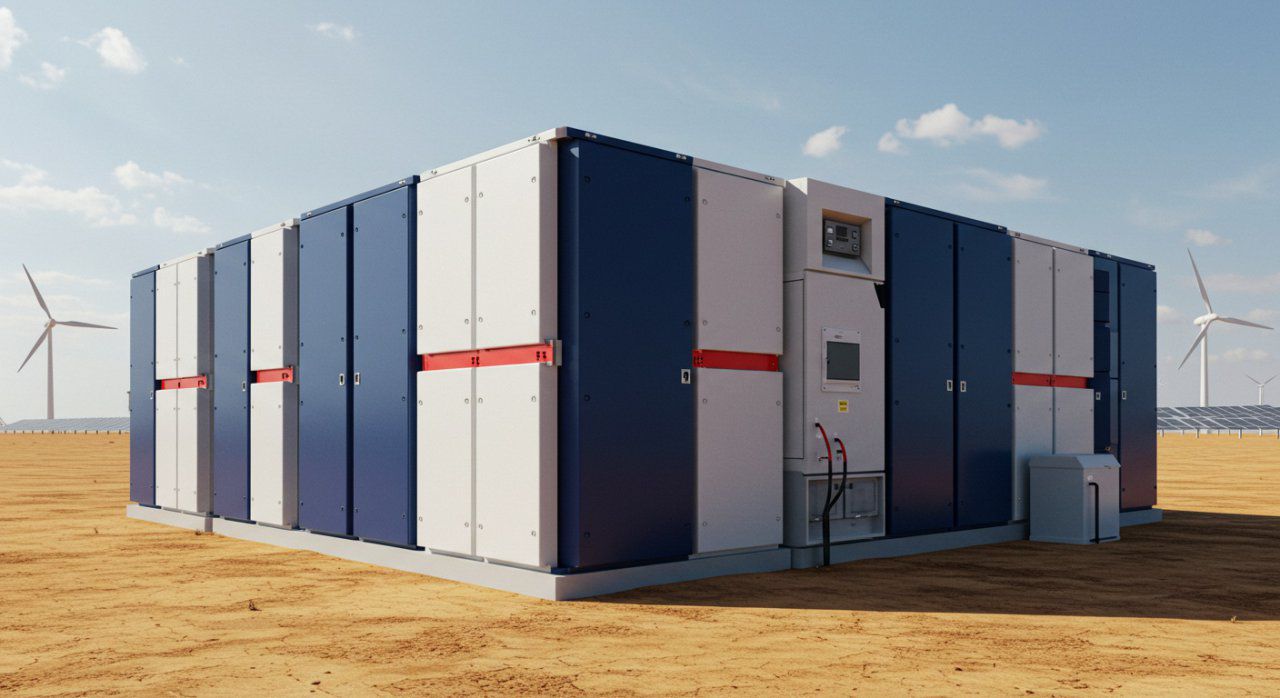
Edge computing refers to processing data near the source of its creation, rather than sending it to a centralized cloud or data center. For energy sector project edge computing applications, this means deploying computing resources directly at power plants, substations, wind turbines, solar farms, or along pipeline networks. This proximity allows for immediate analysis of sensor data, operational parameters, and performance metrics. The benefits include reduced latency, lower bandwidth usage, and improved operational resilience, especially in areas with unreliable network connectivity. Fortisure Consulting helps Nairobi's energy firms understand and implement these distributed computing models effectively.

Key Applications of Edge Computing in Energy
Edge computing enables a variety of transformative applications within the energy sector. Predictive maintenance is a prime example, where edge devices analyze equipment performance data in real-time to anticipate failures before they occur. Smart grid management benefits from edge devices that can rapidly respond to fluctuations in supply and demand, optimizing power distribution. For renewable energy projects, edge computing facilitates efficient monitoring and control of distributed assets like solar panels and wind turbines. Furthermore, it enhances safety by enabling immediate detection of anomalies or potential hazards in remote or hazardous environments. Fortisure Consulting guides clients in Nairobi on deploying these impactful applications.
Benefits of Edge Computing for Nairobi's Energy Projects

Implementing energy sector project edge computing applications offers substantial advantages for projects in Nairobi. Reduced latency is crucial for applications requiring immediate action, such as grid stabilization or emergency shutdowns. Bandwidth optimization lowers communication costs, especially when dealing with vast amounts of sensor data from numerous devices. Enhanced reliability is achieved as edge systems can continue operating even if central network connectivity is lost. Improved data security is also a factor, as sensitive data can be processed locally before being transmitted. Fortisure Consulting helps companies leverage these benefits for more efficient and resilient energy operations.
Challenges and Considerations for Edge Deployment
Deploying edge computing solutions presents unique challenges. Managing a distributed network of edge devices requires robust remote management and update capabilities. Ensuring the physical security of edge hardware in remote or accessible locations is important. Developing applications that can effectively run on resource-constrained edge devices requires specialized expertise. Interoperability between different edge devices and platforms can also be complex. Fortisure Consulting assists clients in Nairobi in overcoming these hurdles, providing strategic guidance on device management, security protocols, and platform integration for successful edge deployments.
Integration with Cloud and Data Governance
Edge computing is often most powerful when integrated with cloud computing. Edge devices perform initial data processing and analysis, sending only relevant insights or summaries to the cloud for further analysis, storage, and long-term monitoring. This hybrid approach optimizes resource utilization. Strong data governance is essential to manage the data flowing between edge devices and the cloud. Clear policies on data ownership, quality, and security must be established. Fortisure Consulting helps Nairobi businesses design integrated edge-cloud architectures and implement effective data governance frameworks, ensuring data integrity and security across the entire system.
Fortisure Consulting's Edge in Nairobi
Fortisure Consulting is at the forefront of advising energy companies in Nairobi on adopting advanced technologies like edge computing. Our deep understanding of the energy sector project edge computing applications landscape allows us to provide tailored strategies. We assist clients in identifying the most suitable use cases, selecting appropriate hardware and software, and managing the deployment process. Our goal is to empower Nairobi's energy projects with the capabilities of edge computing, driving operational excellence, innovation, and a more responsive energy infrastructure. Partner with us to harness the future of energy management.