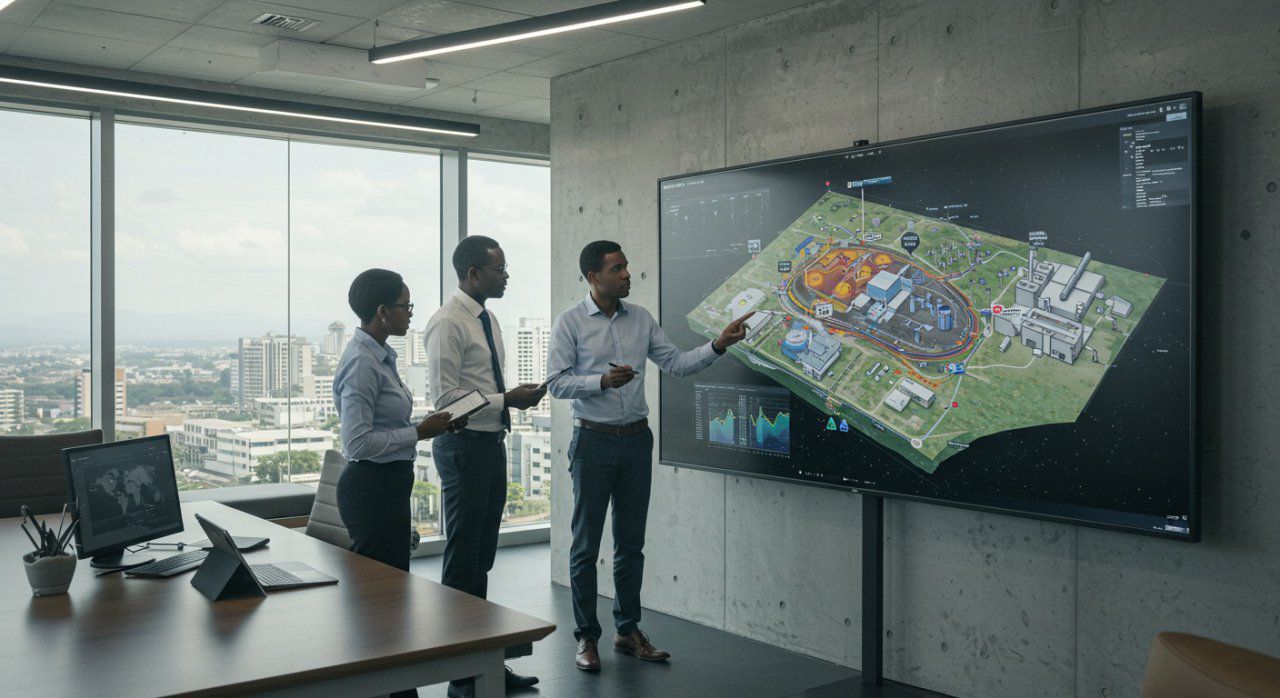

The Future of Geothermal Energy Management in Kenya
In the dynamic energy landscape of Nairobi, Kenya, optimizing geothermal power generation is paramount. The implementation of a geothermal project digital twin offers unprecedented capabilities for monitoring, analyzing, and predicting the performance of geothermal power plants. This cutting-edge technology creates a virtual replica of physical assets, enabling real-time data visualization and advanced simulation. For power plant operators in Kenya, adopting a geothermal project digital twin means moving towards more predictive maintenance, improved operational efficiency, and significant cost savings. Fortisure Consulting is at the forefront, guiding energy companies in Nairobi through this transformative digital journey.
Understanding the Geothermal Project Digital Twin Concept
A geothermal project digital twin is a sophisticated virtual model of a geothermal power plant. It integrates data from various sources, including sensors, operational logs, and geological surveys. This digital replica mirrors the physical plant's components and processes in real-time. The core benefit lies in its ability to simulate different operational scenarios and predict potential issues before they impact the actual plant. For geothermal operations in Nairobi, this means a proactive approach to maintenance and performance enhancement. The digital twin allows engineers to test modifications virtually, assess the impact of changing subsurface conditions, and optimize energy output without risking physical infrastructure. This technology is crucial for the sustainable growth of Kenya's renewable energy sector.

Key Benefits of Digital Twins in Geothermal Power
The advantages of deploying a geothermal project digital twin are substantial for power plants in Nairobi. Firstly, it enhances operational efficiency by providing a clear, real-time view of plant performance. Operators can identify bottlenecks and optimize resource allocation swiftly. Secondly, predictive maintenance becomes a reality. By analyzing data patterns, the digital twin can forecast equipment failures, allowing for scheduled maintenance rather than costly emergency repairs. This significantly reduces downtime and extends the lifespan of critical components. Thirdly, safety is improved as potential hazards can be identified and mitigated in the virtual environment before they pose a risk to personnel. Finally, the ability to run simulations aids in training new staff and refining operational strategies for the unique challenges of geothermal energy in Kenya.
Applications in Nairobi's Geothermal Power Sector

In Nairobi, a geothermal project digital twin can be applied across the entire lifecycle of a geothermal power plant. From the initial design and construction phases, it allows for virtual testing of designs and optimization of layouts. During operation, it provides real-time monitoring of well performance, turbine efficiency, and fluid flow rates. Predictive analytics can forecast scaling or corrosion issues within the plant's infrastructure. Furthermore, the digital twin can simulate the impact of varying steam or brine conditions on power output. This is invaluable for optimizing energy generation and ensuring grid stability. The insights gained can also inform future expansion plans for geothermal resources in Kenya, making development more targeted and efficient.
Data Integration and Management Challenges
Implementing a geothermal project digital twin requires robust data integration and management strategies. Geothermal plants generate vast amounts of data from diverse sources. Ensuring the accuracy, consistency, and timeliness of this data is critical for the digital twin's effectiveness. Challenges include integrating legacy systems with new IoT sensors, establishing secure data transmission protocols, and managing the sheer volume of information. Data cleansing and validation processes are essential to prevent the digital twin from operating on flawed information. Fortisure Consulting assists clients in Nairobi by developing tailored data strategies and implementing the necessary technological infrastructure to overcome these hurdles, ensuring a reliable and insightful digital representation of their geothermal assets.
Choosing the Right Digital Twin Technology
Selecting the appropriate digital twin technology is a crucial decision for geothermal power plant operators in Nairobi. The market offers various platforms and solutions, each with different capabilities in simulation, visualization, and analytics. Factors to consider include the scale and complexity of the geothermal plant, the specific operational challenges being addressed, and the existing IT infrastructure. Compatibility with existing operational technology (OT) and information technology (IT) systems is vital. Fortisure Consulting provides expert guidance in evaluating these technologies, ensuring that the chosen digital twin solution aligns with the strategic goals of Kenyan energy providers and delivers measurable improvements in performance and cost-effectiveness.
The Role of Fortisure Consulting in Digital Transformation
Fortisure Consulting specializes in guiding infrastructure projects in Nairobi, Kenya, through digital transformation initiatives. Our expertise in energy sector technologies, including the implementation of a geothermal project digital twin, empowers clients to enhance their operations. We provide comprehensive advisory services, from initial assessment and technology selection to data strategy development and system integration. Our goal is to ensure that Kenyan power plants can harness the full potential of digital twins for improved efficiency, reliability, and sustainability. Partner with Fortisure Consulting to navigate the complexities of digital twin technology and secure a competitive advantage in the evolving energy market.