
The Role of Automation in Geothermal Power Plants
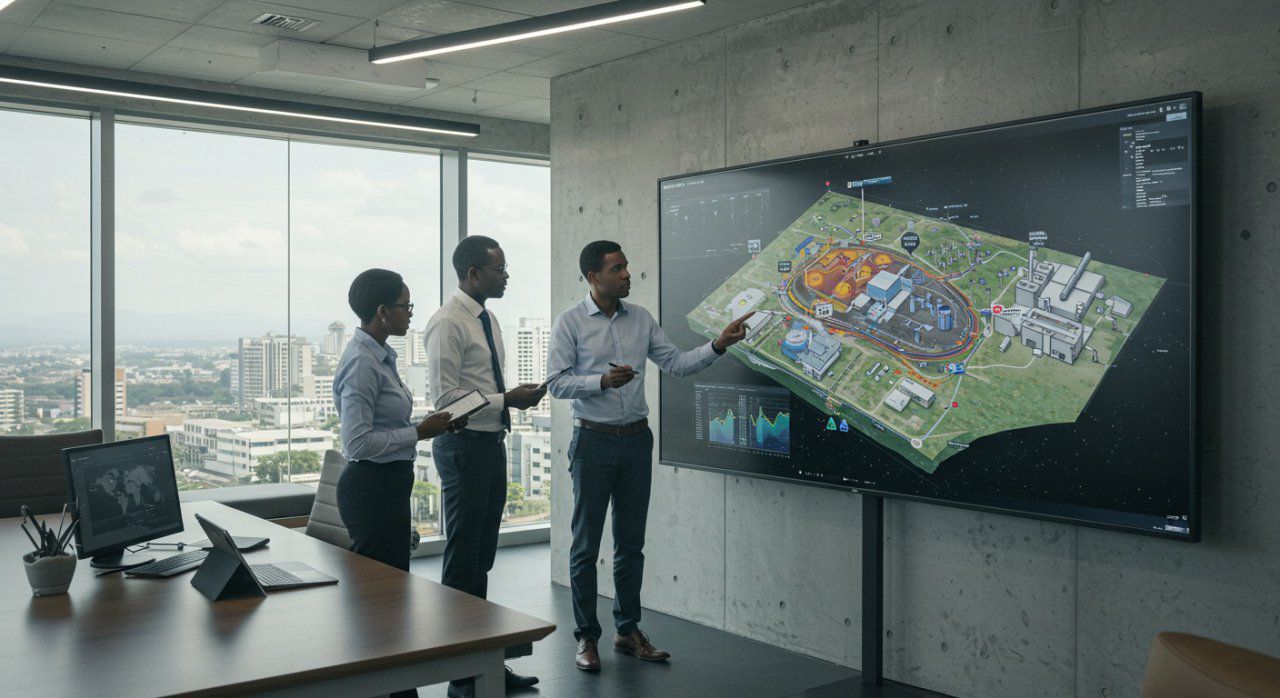
Geothermal energy represents a significant opportunity for sustainable power generation in Kenya. For any geothermal project power plant automation is critical for efficient and safe operation. Automation ensures that complex processes are managed precisely. It minimizes human intervention in potentially hazardous environments. In Nairobi's pursuit of clean energy, adopting advanced automation is key. It leads to increased power output, reduced operational costs, and improved plant reliability. Fortisure Consulting understands the unique challenges of implementing these systems in the Kenyan context. We guide clients through the integration of cutting-edge automation technologies. This ensures that geothermal projects contribute effectively to the nation's energy security and sustainability goals.
Key Automation Technologies for Geothermal Plants
Implementing geothermal project power plant automation involves several sophisticated technologies. Distributed Control Systems (DCS) are fundamental. They provide centralized monitoring and control of plant operations. Programmable Logic Controllers (PLCs) manage specific equipment and processes. Safety Instrumented Systems (SIS) are crucial for hazard prevention and emergency shutdown procedures. SCADA (Supervisory Control and Data Acquisition) systems collect data from various points. They enable remote monitoring and control. Advanced sensors and actuators ensure precise measurement and adjustment of parameters like temperature, pressure, and flow rates. Variable Frequency Drives (VFDs) optimize the performance of pumps and turbines. These technologies collectively ensure the safe, efficient, and reliable operation of a geothermal power plant.

Benefits of Automating Geothermal Power Plants
The benefits of geothermal project power plant automation are substantial. Increased operational efficiency is a primary advantage. Automated systems can optimize steam extraction and power generation processes continuously. This leads to higher energy yields and reduced waste. Enhanced safety is another critical benefit. Automation minimizes the need for personnel in high-risk areas. It also ensures rapid response to abnormal conditions through automated safety protocols. Reduced operating costs are achieved through optimized resource utilization and minimized downtime. Predictive maintenance, enabled by automation, further cuts costs by preventing major failures. Improved grid stability and power quality result from precise control over power output. For geothermal projects in Nairobi, these benefits translate to greater profitability and reliability.
Challenges in Geothermal Automation Implementation
Implementing automation in geothermal projects is not without its challenges. The initial capital investment for advanced automation systems can be significant. Integrating new systems with existing infrastructure requires careful planning and technical expertise. The harsh operating environment of geothermal plants, characterized by high temperatures and corrosive fluids, can affect equipment reliability. Training personnel to operate and maintain sophisticated automated systems is essential. Cybersecurity threats to control systems are a growing concern that requires robust protection measures. Ensuring the availability of skilled technicians and spare parts in Nairobi can also be a logistical challenge. Fortisure Consulting helps clients address these issues through strategic planning and expert guidance.
SCADA and DCS in Geothermal Operations
SCADA and DCS are cornerstone technologies for geothermal project power plant automation. SCADA systems provide a high-level overview of the entire plant. They collect real-time data on key parameters from sensors and field devices. This data is presented to operators through graphical interfaces, allowing for effective monitoring. DCS offers more integrated and sophisticated control capabilities. It manages complex control loops and ensures coordinated operation of various plant subsystems. Both systems are vital for optimizing steam flow, turbine speed, and electricity generation. They also play a crucial role in safety by enabling rapid shutdown in emergencies. Effective implementation of SCADA and DCS is key to maximizing the efficiency and safety of geothermal facilities in Kenya.
Automation for Enhanced Geothermal Resource Management
Beyond power generation, automation enhances the management of geothermal resources themselves. Automated systems can monitor reservoir pressure and temperature over time. This data is crucial for understanding the long-term sustainability of the resource. Advanced analytics can predict potential issues within the reservoir. This allows for adjustments in extraction strategies to prolong the life of the geothermal field. Optimized injection and extraction rates ensure maximum energy recovery while minimizing environmental impact. This intelligent resource management is vital for the sustained success of geothermal projects in Nairobi and across Kenya. Fortisure Consulting advises on integrating these advanced management capabilities into geothermal operations.
The Future of Geothermal Power Plant Automation
The future of geothermal project power plant automation lies in further integration with artificial intelligence (AI) and machine learning (ML). AI can analyze vast amounts of operational data to identify subtle patterns. This enables more accurate predictive maintenance and performance optimization. ML algorithms can learn from historical data to optimize control strategies in real-time. Digital twins will allow for virtual testing and simulation of operational changes before implementation. Enhanced cybersecurity measures will be critical to protect these increasingly connected systems. The trend is towards more autonomous and self-optimizing geothermal power plants. This evolution promises even greater efficiency and reliability for Kenya's geothermal energy sector.