
The Critical Role of Well Intervention in Geothermal Projects
Geothermal energy offers a stable and sustainable power source, and effective management of its wells is paramount. In Nairobi, where geothermal potential is significant, meticulous geothermal project well intervention planning is essential for maximizing resource extraction and ensuring operational longevity. Well interventions, such as workovers or well servicing, are vital for maintaining well productivity, addressing operational issues, and extending the economic life of geothermal assets. Fortisure Consulting, your leading infrastructure procurement advisory in Nairobi, Kenya, provides expert guidance in developing robust intervention plans. Our focus is on ensuring safety, efficiency, and cost-effectiveness throughout the planning and execution phases. Strategic geothermal project well intervention planning is fundamental to unlocking the full potential of Kenya's geothermal resources.
Understanding Geothermal Well Interventions
Geothermal well interventions are specialized operations performed on a geothermal well to restore or improve its productivity, maintain its integrity, or address specific operational challenges. These interventions can range from simple tasks like cleaning out debris or replacing downhole equipment to more complex procedures like wellbore repairs or stimulation treatments. Common reasons for intervention include declining production rates, scaling or corrosion issues, equipment malfunctions, or the need to recomplete the well for different production zones. The planning phase for any intervention is critical, involving detailed analysis of well data, production history, reservoir characteristics, and available technology. For geothermal projects in Nairobi, understanding the unique geological conditions and operational context is key to developing effective intervention strategies. Fortisure Consulting provides the expertise needed for meticulous geothermal project well intervention planning.
Key Components of Intervention Planning
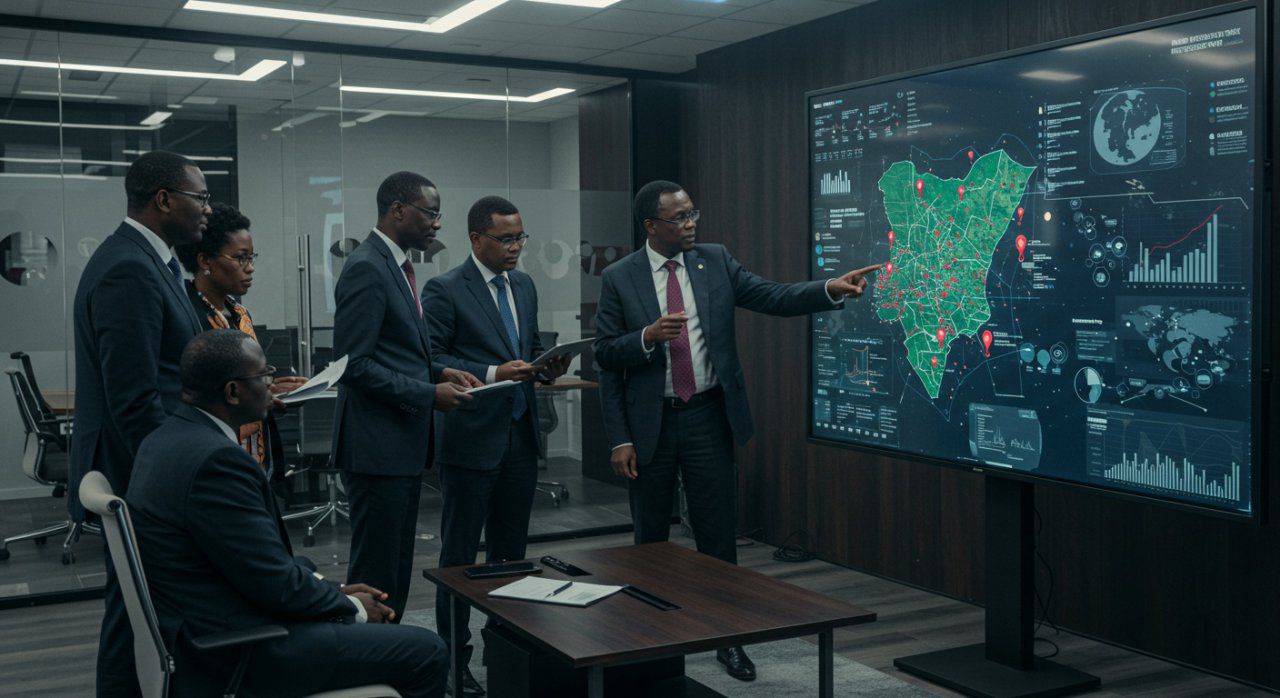
Effective geothermal project well intervention planning involves several critical components. Firstly, a thorough well assessment is necessary, including reviewing historical data, logs, and previous intervention records. Secondly, defining clear objectives for the intervention is crucial; this could be to increase flow rate, repair a leak, or replace damaged components. Thirdly, a detailed technical plan must be developed, outlining the procedures, equipment required (e.g., workover rigs, specialized tools), and personnel needed. Risk assessment and mitigation strategies are vital, considering potential hazards associated with high temperatures, pressures, and corrosive fluids. Cost estimation and budget allocation are also integral parts of the plan. Finally, contingency planning for unforeseen challenges ensures that the operation can proceed safely and efficiently. Fortisure Consulting guides clients in Nairobi through each of these steps, ensuring comprehensive and robust geothermal project well intervention planning for projects in Kenya.
Safety and Environmental Considerations in Planning

Safety and environmental protection are paramount in geothermal well intervention planning. Geothermal environments often involve high temperatures, pressures, and potentially hazardous gases like hydrogen sulfide. Therefore, detailed safety protocols, including personal protective equipment (PPE) requirements, emergency response procedures, and hazard communication plans, must be integrated into the intervention strategy. Environmental considerations include managing drilling fluids, preventing surface spills, and ensuring proper disposal of any waste materials. Plans must comply with all relevant environmental regulations in Kenya. Risk assessments should specifically address potential environmental impacts and outline mitigation measures. Fortisure Consulting emphasizes a rigorous approach to safety and environmental stewardship during the geothermal project well intervention planning process, safeguarding both personnel and the surrounding ecosystem in Nairobi and beyond.
Technology and Equipment for Well Interventions
The success of geothermal well interventions relies heavily on the appropriate selection and deployment of technology and equipment. Specialized workover rigs capable of handling the depth and conditions of geothermal wells are essential. Downhole tools, such as fishing tools for retrieving lost or stuck equipment, pumps for circulation, and logging tools for diagnostics, play a critical role. Technologies for wellbore integrity assessment, like cement bond logging and casing inspection tools, are vital. For specific challenges like scaling or formation damage, specialized chemicals or mechanical methods might be employed. Remote monitoring and real-time data acquisition systems can enhance operational control and safety. Fortisure Consulting assists clients in Nairobi in identifying and procuring the most suitable technologies and equipment, ensuring efficient and effective geothermal project well intervention planning and execution in Kenya.
Challenges in Geothermal Well Intervention
Geothermal well interventions present unique challenges. The harsh downhole conditions, including high temperatures and corrosive fluids, can damage equipment and complicate operations. Predicting the exact behavior of the reservoir and wellbore during intervention can be difficult, leading to unexpected issues. The cost of specialized equipment and expert personnel can be substantial, requiring careful financial planning. Furthermore, ensuring the long-term effectiveness of interventions, such as preventing re-scaling or maintaining improved flow rates, requires ongoing monitoring and potentially further interventions. For projects in Nairobi, navigating regulatory requirements and ensuring environmental compliance adds another layer of complexity. Fortisure Consulting helps clients anticipate and mitigate these challenges through meticulous geothermal project well intervention planning, drawing on extensive experience in Kenya's energy sector.
Fortisure Consulting: Your Partner in Geothermal Development
Fortisure Consulting is your dedicated partner for navigating the complexities of geothermal energy projects in Nairobi, Kenya. We provide specialized infrastructure procurement advisory services, with a strong focus on strategic geothermal project well intervention planning. Our team possesses the technical expertise and market knowledge to help you optimize asset performance, manage risks, and ensure the economic viability of your geothermal investments. We assist in developing comprehensive intervention plans, selecting appropriate technologies and service providers, and ensuring compliance with safety and environmental standards. Whether you are developing new geothermal resources or managing existing assets, Fortisure Consulting is committed to supporting your success in Kenya's growing renewable energy landscape.