
Introduction to Digital Twins in the Oil and Gas Sector
The oil and gas industry in Kenya, like globally, is embracing digital transformation to enhance efficiency and safety. A oil and gas project digital twin for operations represents a significant leap forward. A digital twin is a virtual replica of a physical asset or process. It uses real-time data to simulate performance, predict issues, and optimize operations. For projects in Nairobi and across the region, this technology offers unprecedented insights. It enables better decision-making, reduces downtime, and minimizes operational risks. Fortisure Consulting guides oil and gas companies in Nairobi through the strategic implementation of digital twin technology. We help unlock its full potential for improved operational outcomes.
What is a Digital Twin in Oil and Gas?
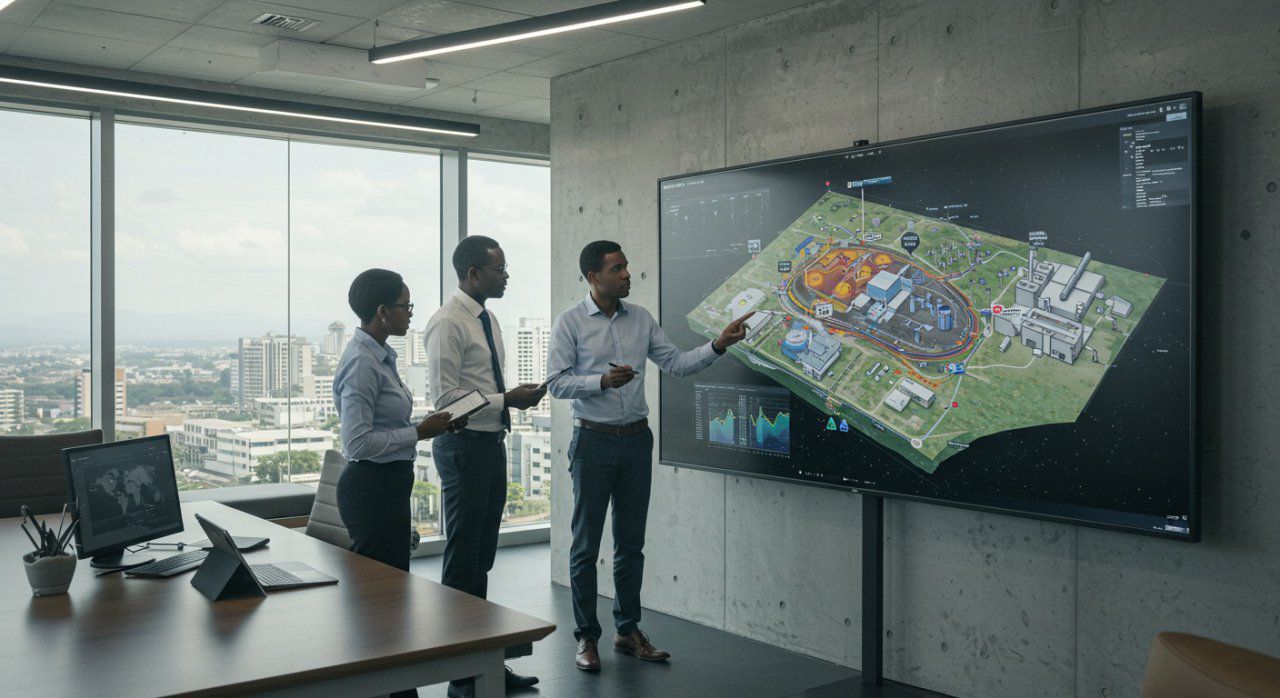
A oil and gas project digital twin for operations is a dynamic virtual representation. It mirrors a physical asset, such as a refinery, pipeline, or offshore platform. The twin is continuously updated with real-time data from sensors, IoT devices, and operational systems. This data synchronization allows the digital twin to reflect the current state of the physical asset accurately. By analyzing this virtual model, operators can simulate various scenarios. They can test the impact of changes or potential failures without risking the actual infrastructure. This enables proactive maintenance, performance optimization, and improved safety protocols. For complex operations in Kenya's oil and gas sector, a digital twin provides a powerful tool for management.
Key Benefits of Digital Twins for Operations
Implementing a oil and gas project digital twin for operations yields substantial benefits. Enhanced operational efficiency is a primary advantage. By simulating different operating conditions, companies can identify optimal parameters for production. Predictive maintenance is significantly improved. The digital twin can forecast potential equipment failures, allowing for scheduled repairs before critical breakdowns occur. This reduces costly unplanned downtime. Improved safety is another critical aspect. Operators can use the twin to train personnel in a risk-free virtual environment. They can also simulate emergency response scenarios. Cost reduction is achieved through optimized maintenance, reduced downtime, and improved resource allocation. Fortisure Consulting helps clients in Nairobi realize these benefits.
Applications of Digital Twins in Oil and Gas Operations
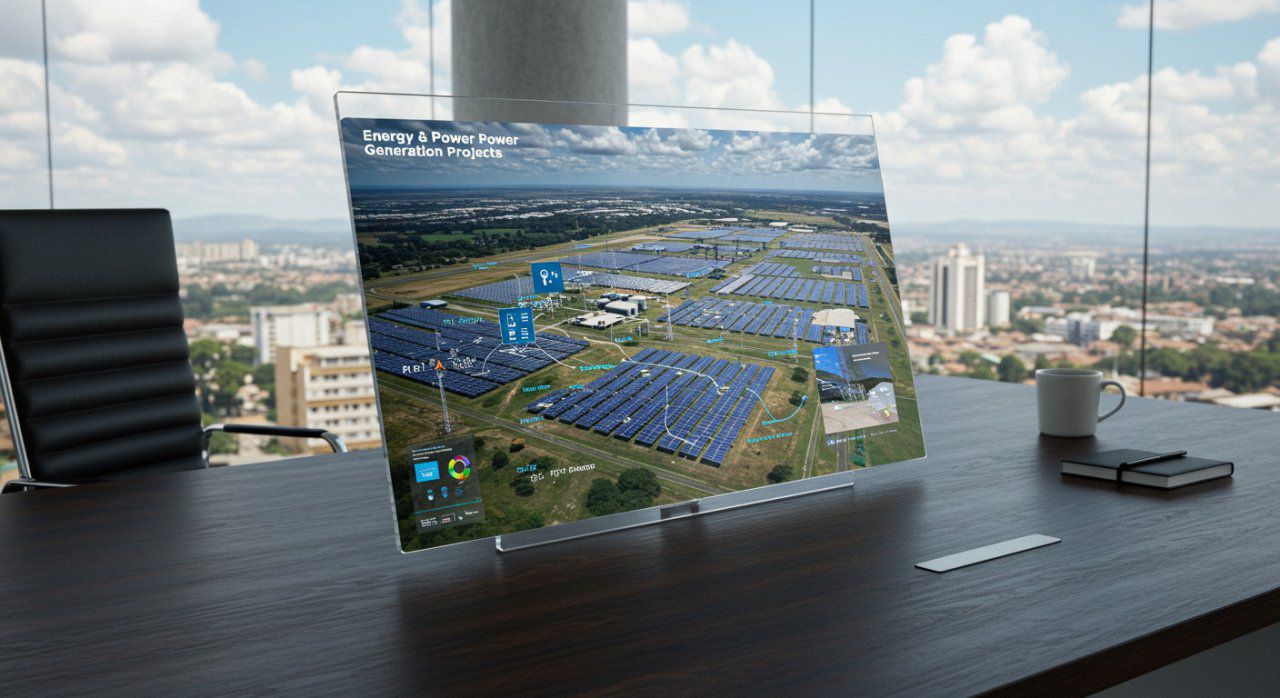
Digital twins have a wide range of applications within oil and gas operations. Asset monitoring and performance optimization are key uses. Simulating production processes helps identify bottlenecks and areas for improvement. Predictive maintenance allows for early detection of faults in equipment like pumps, compressors, and turbines. Remote monitoring and control become more effective with a virtual representation of the asset. Training and simulation are enhanced, providing a safe environment for staff development. Risk assessment and scenario planning are facilitated, allowing companies to prepare for potential disruptions. The design and commissioning phases of new projects can also benefit from digital twin modeling. This comprehensive utility makes it invaluable for Nairobi's energy sector.
Data Requirements and Integration Challenges
Creating and maintaining an effective oil and gas project digital twin for operations requires robust data infrastructure. A vast amount of data is needed from various sources, including sensors (IoT), SCADA systems, enterprise resource planning (ERP), and maintenance logs. Integrating these disparate data sources can be a significant challenge. Ensuring data quality, accuracy, and real-time synchronization is critical for the twin's fidelity. Cybersecurity is another major concern, as the digital twin is linked to critical operational systems. Establishing secure data pipelines and access controls is essential. Fortisure Consulting assists clients in Nairobi with data strategy and integration planning.
Digital Twins and the Future of Oil and Gas Operations in Kenya
The adoption of digital twins is set to revolutionize oil and gas operations in Kenya and beyond. As the industry evolves, digital twins will become more sophisticated. They will incorporate advanced AI and machine learning for autonomous optimization and decision-making. Integration with augmented reality (AR) and virtual reality (VR) will provide immersive operational experiences. The concept of a 'system of systems' digital twin, representing entire value chains, will emerge. This technology will be crucial for managing the energy transition, optimizing efficiency, and ensuring safety in the increasingly complex energy landscape. Fortisure Consulting is at the forefront of advising on these future-oriented solutions for Nairobi.
Choosing the Right Digital Twin Solution
Selecting the appropriate digital twin solution for an oil and gas project digital twin for operations requires careful consideration. Key factors include the specific assets to be twinned, the required level of detail, integration capabilities with existing systems, and scalability. The chosen platform must be capable of handling large data volumes and providing real-time analytics. Vendor support, cybersecurity features, and total cost of ownership are also important considerations. Fortisure Consulting works with clients in Nairobi to assess their needs. We help them select and implement a digital twin strategy that aligns with their business objectives and delivers tangible value.