Introduction to Digital Twins in Oil and Gas Drilling
The oil and gas industry in Kenya is increasingly adopting advanced technologies to enhance efficiency and safety. A oil and gas project digital twin is transforming the drilling process, offering unprecedented insights and control. This virtual replica integrates real-time data from drilling operations, enabling predictive analysis, optimized performance, and improved safety protocols. Fortisure Consulting, a leading infrastructure procurement advisor in Nairobi, understands the critical role of technology in this sector. We guide oil and gas companies in Kenya to leverage the power of a oil and gas project digital twin for more successful and efficient drilling operations, ensuring better resource utilization and risk management.
What is an Oil and Gas Project Digital Twin for Drilling?
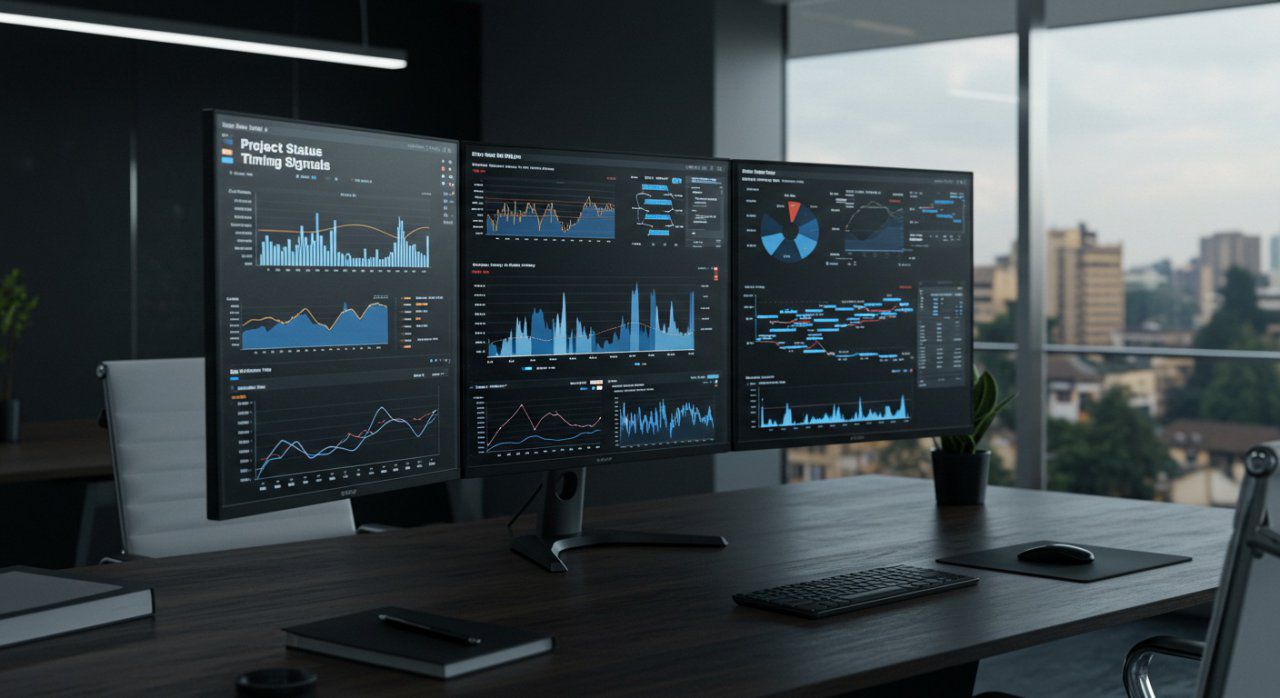
An oil and gas project digital twin for drilling is a dynamic virtual model of the drilling operation and its associated equipment. It integrates data from various sources, including geological surveys, seismic data, drilling parameters (like rate of penetration, torque, and pressure), sensor readings from drill bits and downhole tools, and the status of surface equipment. This allows for a comprehensive, real-time view of the drilling process. The twin can simulate different drilling scenarios, predict potential issues like stuck pipe or formation instability, and optimize drilling parameters to maximize efficiency and safety. It serves as a central hub for operational data, analysis, and decision-making throughout the drilling phase of an oil and gas project in Nairobi.

Benefits for Drilling Operations in Kenya
The application of a oil and gas project digital twin in drilling operations offers substantial advantages for companies operating in Kenya. Firstly, it enables real-time performance optimization. By continuously monitoring drilling parameters and comparing them against historical data and simulations, operators can fine-tune drilling speeds, bit weight, and mud properties to achieve the fastest possible penetration rates safely. Secondly, it significantly enhances risk management and safety. The twin can predict potential downhole problems like kicks or lost circulation, allowing crews to take preventative measures. This minimizes the risk of costly non-productive time (NPT) and ensures the safety of personnel and equipment. Thirdly, it facilitates better decision-making through data-driven insights, leading to more efficient resource allocation and cost control.
Predictive Analytics for Drilling Challenges

Drilling operations are inherently complex and prone to unexpected challenges. A digital twin excels at predictive analytics for these scenarios. By analyzing real-time data streams from downhole sensors and surface equipment, the twin can identify subtle patterns that indicate potential problems. For instance, a slight increase in torque or a change in vibration frequency might signal an impending drill bit failure or the risk of the drill string getting stuck. The oil and gas project digital twin can alert the drilling team to these potential issues, allowing them to adjust drilling parameters or initiate preventative actions. This proactive approach is crucial for minimizing NPT, reducing operational costs, and ensuring the successful completion of wells in challenging formations encountered in oil and gas exploration projects.
Optimizing Drilling Parameters and Efficiency
Maximizing drilling efficiency is a key objective in the oil and gas sector. A digital twin provides the tools to achieve this. By simulating the interaction between the drill bit, the formation, and the drilling fluid under various conditions, operators can determine the optimal combination of parameters—such as rotational speed (RPM), weight on bit (WOB), and flow rate. The twin can predict the outcome of changes to these parameters in real-time, allowing for continuous optimization. This ensures that the drilling process is as fast and effective as possible while minimizing wear on equipment. An effectively utilized oil and gas project digital twin can lead to significant reductions in drilling time and overall project costs for exploration and production activities.
Enhanced Safety and Environmental Monitoring
Safety and environmental protection are paramount in the oil and gas industry. A digital twin contributes significantly to both. By simulating drilling operations, potential hazards such as unexpected pressure surges or the risk of formation fluid influx can be identified and mitigated. The twin can monitor critical safety parameters in real-time, alerting operators to any deviations from safe operating limits. Furthermore, it can be integrated with environmental sensors to monitor emissions or potential leaks. This allows for prompt response to any environmental incidents, ensuring compliance with regulations and minimizing the ecological impact of drilling operations in sensitive areas around Nairobi and beyond.
Fortisure Consulting: Expert Advisory for Your Drilling Projects
Successfully implementing advanced technologies like digital twins requires specialized knowledge. Fortisure Consulting provides expert infrastructure procurement advisory services for oil and gas projects in Nairobi, Kenya. We help you identify the right digital twin solutions that align with your drilling objectives and operational requirements. Our team assists in vendor selection, technology integration, and ensuring that your investment delivers maximum value. Partner with Fortisure Consulting to leverage the power of an oil and gas project digital twin, optimizing your drilling operations for efficiency, safety, and profitability in the Kenyan energy landscape.