The Need for Advanced Pipeline Inspections
Pipeline projects are vital arteries for transporting energy resources across Kenya. Ensuring their integrity and safety is paramount. Traditional inspection methods can be time-consuming, costly, and sometimes hazardous. The advent of technology has introduced sophisticated solutions. Pipeline project automated inspection systems are transforming how we monitor and maintain these critical assets. Fortisure Consulting in Nairobi provides cutting-edge solutions to enhance the safety, efficiency, and reliability of your pipeline operations. Embracing these systems is key to proactive maintenance and risk reduction.
Challenges in Traditional Pipeline Inspections
Manually inspecting long-distance pipelines presents numerous challenges. Accessing remote or difficult terrain can be arduous. Human error can lead to missed defects, compromising safety. Traditional methods often require shutting down operations, leading to significant economic losses. Furthermore, the sheer scale of pipeline networks makes comprehensive manual checks impractical and resource-intensive. These limitations highlight the urgent need for more efficient and reliable inspection methods. Investing in pipeline project automated inspection systems addresses these inherent drawbacks effectively.
Benefits of Automated Inspection Technology
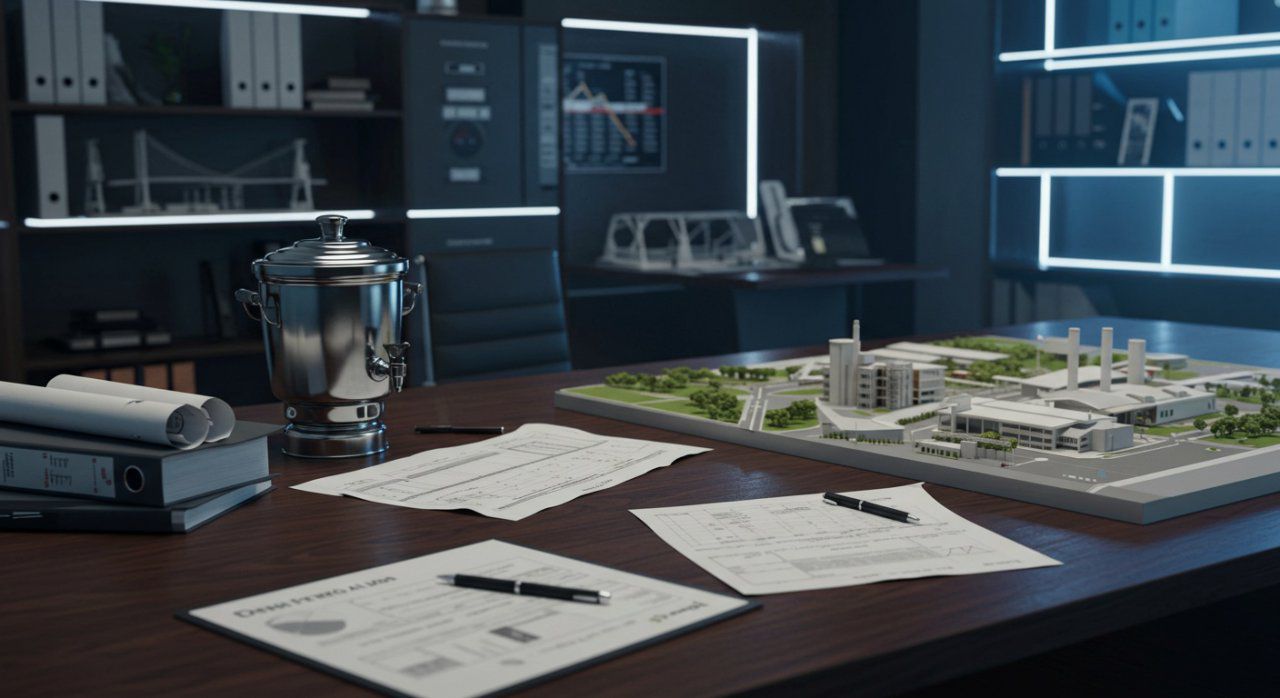
Automated inspection systems offer a multitude of benefits for pipeline projects. They significantly improve accuracy and consistency by removing human variability. Technologies like drones, robotic crawlers, and advanced sensors can collect high-resolution data. This data includes visual imagery, thermal readings, and ultrasonic measurements. Real-time data transmission allows for immediate analysis and quicker decision-making. Reduced downtime is another major advantage, as many automated systems can operate while the pipeline is active. These systems enhance safety by minimizing human exposure to hazardous environments. The efficiency gains and cost savings are substantial.
Types of Automated Inspection Systems
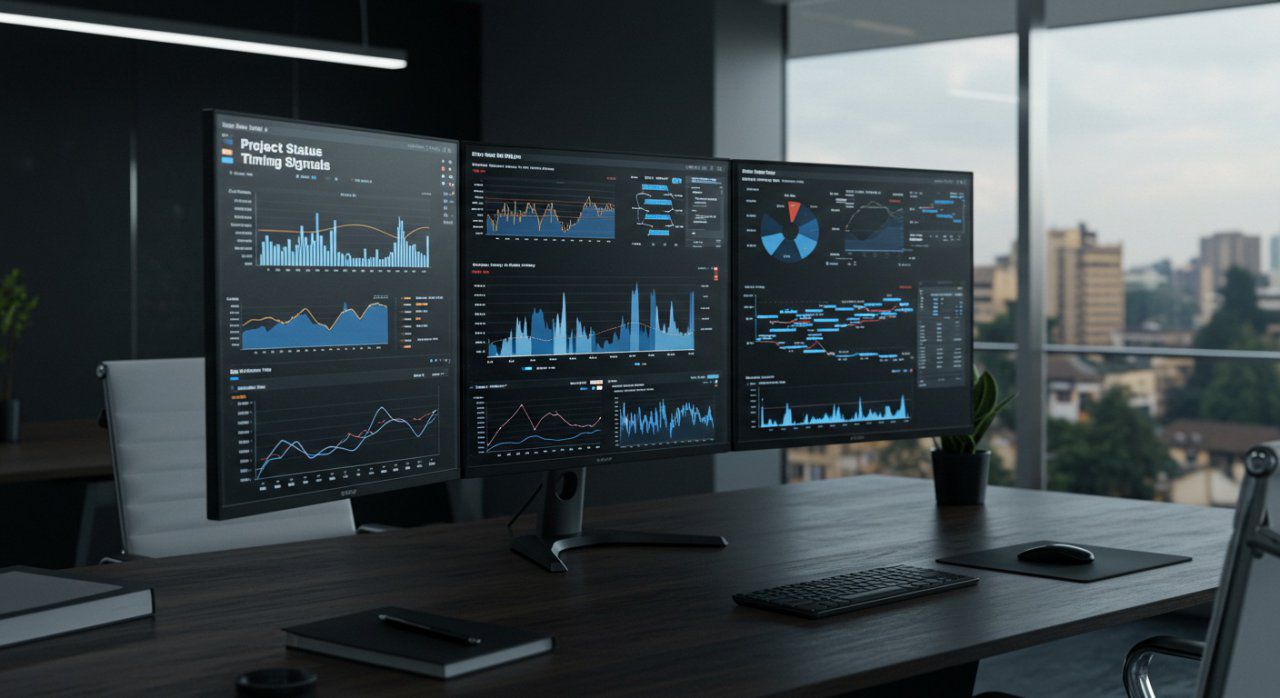
Several types of automated inspection systems are available for pipeline projects. Unmanned Aerial Vehicles (UAVs) or drones equipped with cameras and sensors can survey large stretches of pipeline quickly. In-line inspection (ILI) tools, often called 'smart pigs', travel inside the pipeline to detect internal corrosion, cracks, and other defects. Robotic crawlers can navigate external surfaces, especially in complex industrial settings. Advanced sensors, including magnetic flux leakage (MFL) and eddy current testing (ECT) devices, provide detailed subsurface defect detection. Choosing the right system depends on the pipeline's specific characteristics and inspection requirements.
Data Analysis and Predictive Maintenance
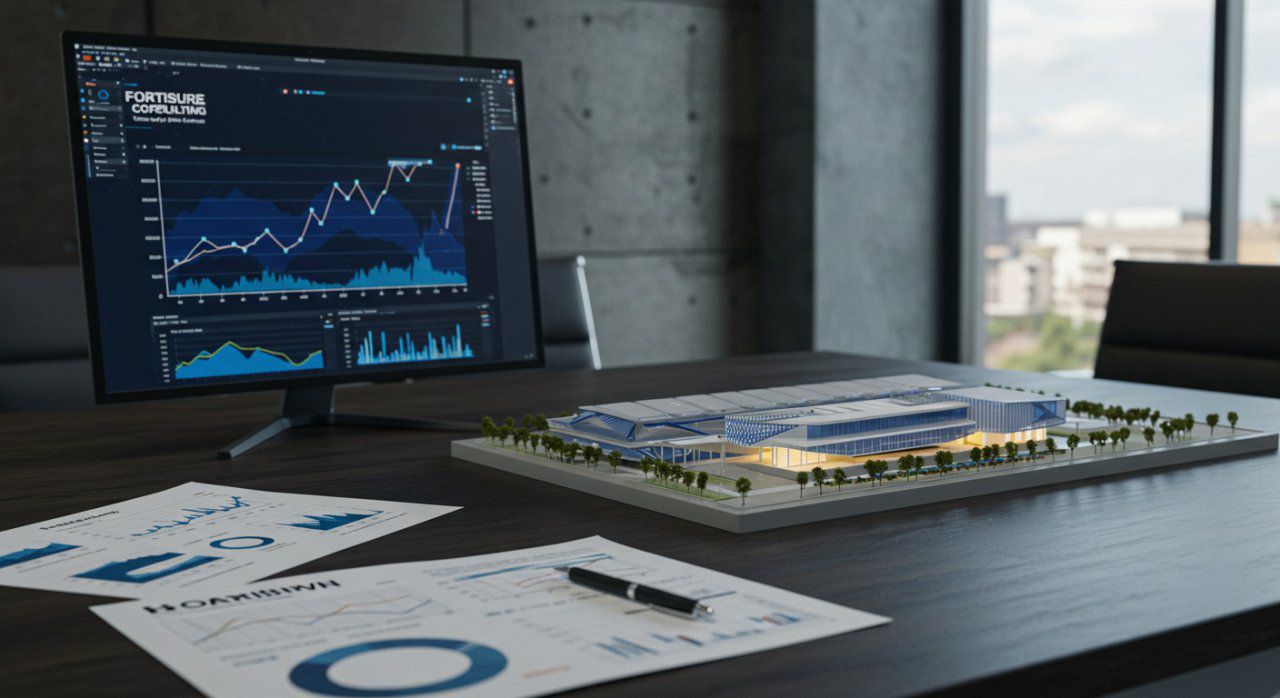
The true power of automated inspection lies in the data generated. Sophisticated software platforms analyze the collected data to identify anomalies and potential issues. AI and machine learning algorithms can predict future failures based on historical data and defect trends. This enables predictive maintenance, allowing operators to address problems before they become critical. Predictive maintenance minimizes unexpected shutdowns and optimizes maintenance schedules. It ensures the long-term integrity and operational life of the pipeline. Fortisure Consulting helps integrate these data analysis capabilities into your pipeline project automated inspection systems.
Implementation and Integration in Nairobi
Implementing automated inspection systems requires careful planning and expertise. Fortisure Consulting assists pipeline operators in Nairobi with the entire process. This includes selecting the most suitable technologies, developing operational protocols, and integrating systems with existing infrastructure. Training personnel to operate and maintain these advanced systems is also critical. We ensure a seamless transition to automated inspections, maximizing return on investment. Our goal is to enhance the safety and operational efficiency of your pipeline projects throughout Kenya.
Ensuring Compliance and Safety Standards
Adherence to stringent safety and environmental regulations is non-negotiable for pipeline projects. Automated inspection systems provide the data and documentation needed to demonstrate compliance. They offer a higher level of assurance regarding pipeline integrity. This reduces the risk of environmental incidents and regulatory penalties. By adopting these advanced technologies, companies can uphold the highest standards of operational safety and environmental stewardship. Fortisure Consulting guides clients in leveraging pipeline project automated inspection systems to meet and exceed regulatory requirements.