Introduction to Digital Twins in Pipeline Construction
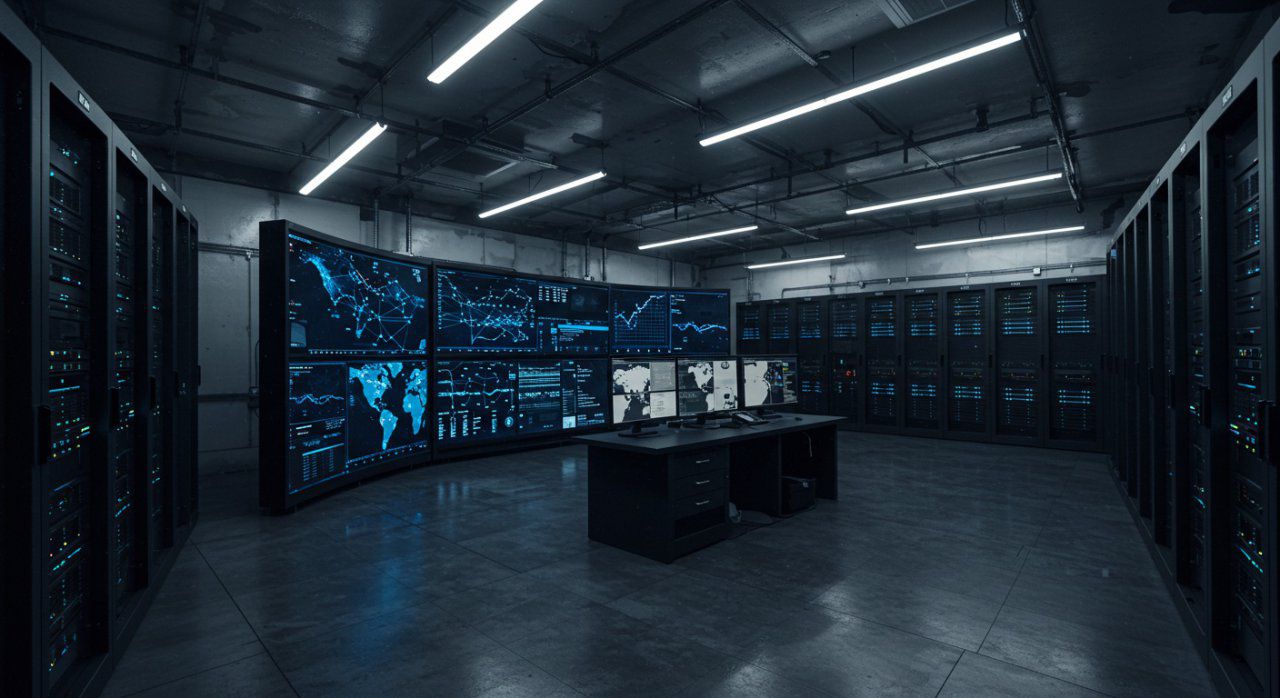
Constructing pipeline projects in Kenya presents unique challenges, from complex terrains to stringent safety regulations. A pipeline project digital twin offers a revolutionary approach to streamline operations and mitigate risks during the construction phase. This sophisticated virtual model replicates the entire pipeline project, integrating design, geographical data, and real-time construction progress. It provides an unparalleled platform for planning, monitoring, and execution. Fortisure Consulting, a premier infrastructure procurement advisor in Nairobi, guides clients in harnessing this technology. We help ensure that your pipeline projects are delivered efficiently, safely, and within budget by embracing the power of a pipeline project digital twin.
What is a Pipeline Project Digital Twin?
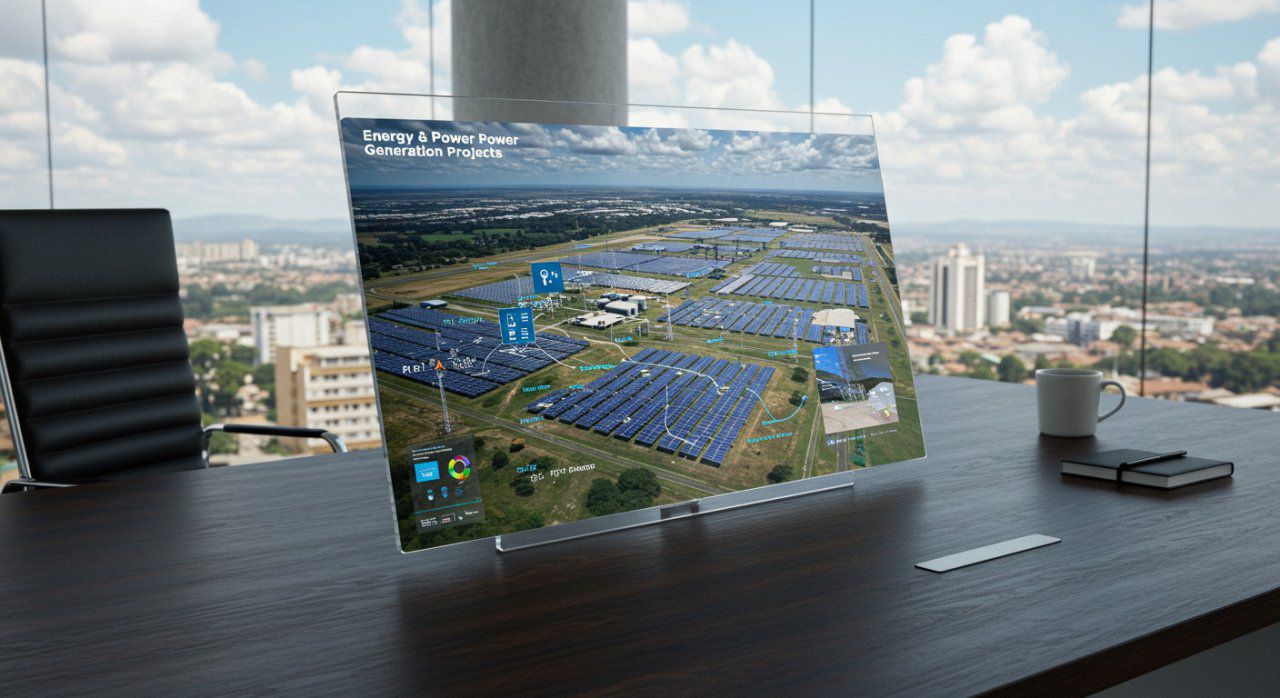
A pipeline project digital twin is a dynamic virtual representation of a planned or ongoing pipeline construction. It integrates various data sources, including 3D design models, geographical information system (GIS) data, environmental surveys, material specifications, and construction schedules. Throughout the construction lifecycle, real-time data from the site—such as the position of equipment, progress of welding, and environmental conditions—is fed into the twin. This creates a living, evolving model that mirrors the physical construction process. For a pipeline project digital twin, this means having a single source of truth for all project stakeholders. It allows for enhanced visualization, simulation, and analysis, providing critical insights into every aspect of the construction.
Key Benefits for Pipeline Construction in Nairobi
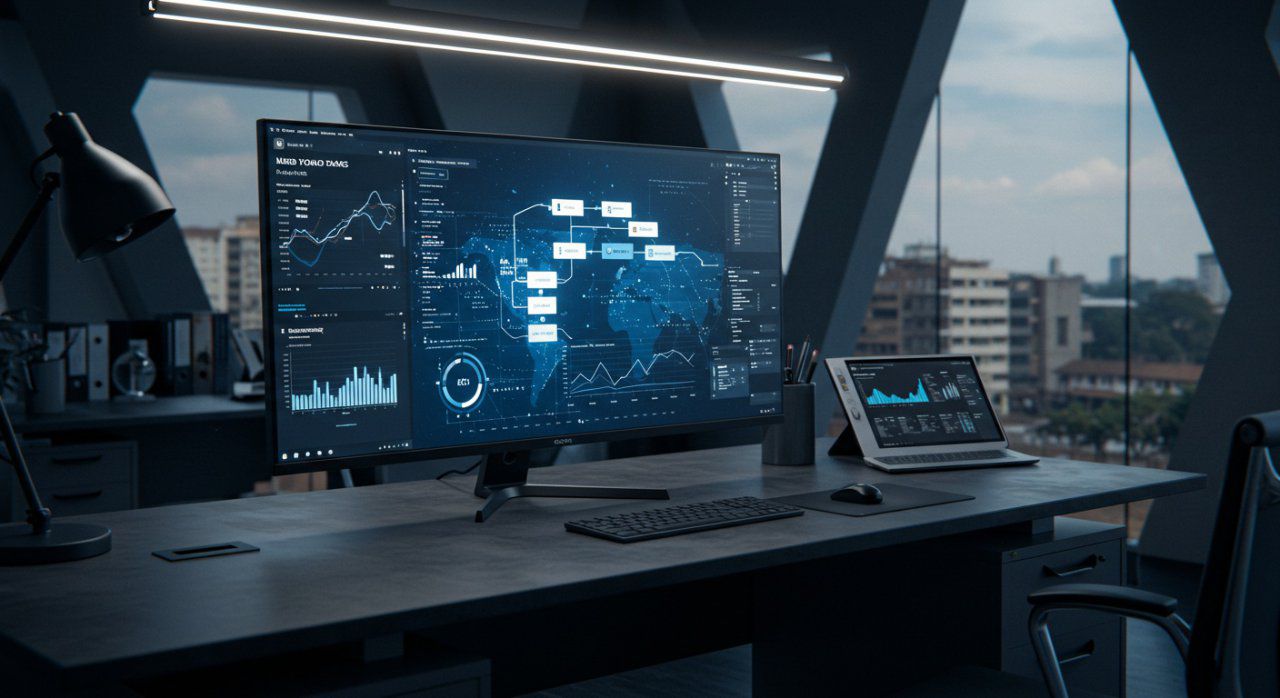
Implementing a pipeline project digital twin offers transformative benefits for construction projects in Nairobi and across Kenya. Firstly, it significantly enhances planning and design validation. Engineers can simulate the construction process in the virtual environment, identifying potential clashes, logistical challenges, or constructability issues before they arise on site. This proactive approach minimizes costly rework and delays. Secondly, it improves site monitoring and progress tracking. Real-time data updates allow project managers to accurately assess progress against the schedule, identify bottlenecks, and make informed decisions. Thirdly, it boosts safety management. By simulating hazardous operations or identifying potential risks associated with specific construction activities, the digital twin helps in developing robust safety protocols, thereby protecting workers on site.
Enhanced Planning and Design Validation
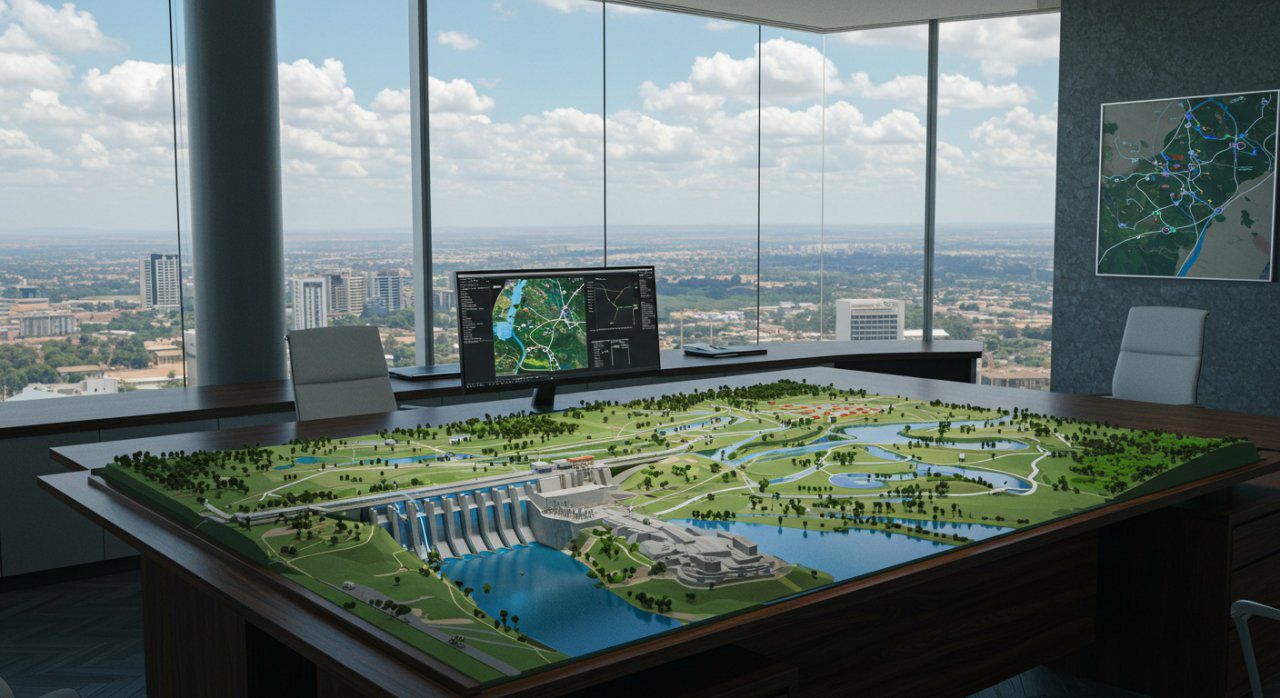
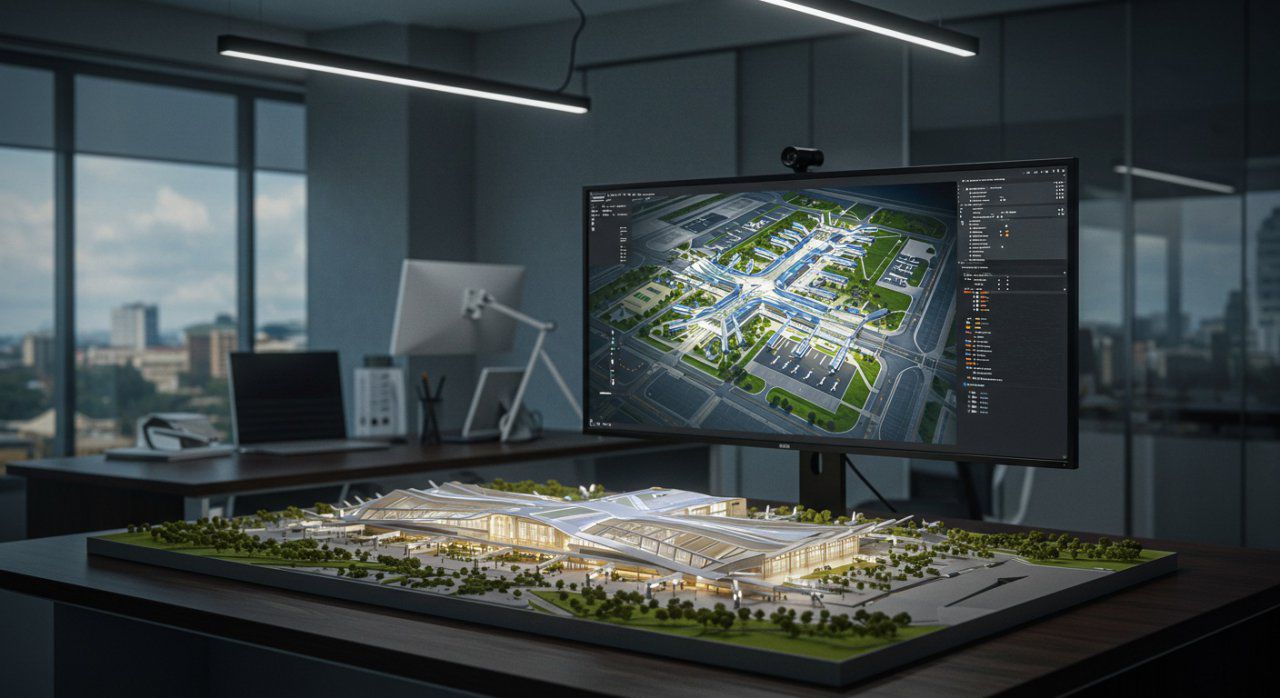
The intricate nature of pipeline construction demands meticulous planning. A digital twin provides an unprecedented level of detail for this process. By overlaying the pipeline design onto accurate topographical and geological data, engineers can visualize the exact route and identify potential challenges such as difficult soil conditions or the need for complex crossings. The twin allows for the simulation of construction sequences, helping to optimize the order of operations, the placement of equipment, and the logistics of material delivery. This detailed pre-construction analysis, facilitated by the pipeline project digital twin, helps prevent clashes between different project elements, such as underground utilities or planned infrastructure, ensuring a smoother construction phase in Nairobi's urban and peri-urban environments.
Real-time Progress Monitoring and Control
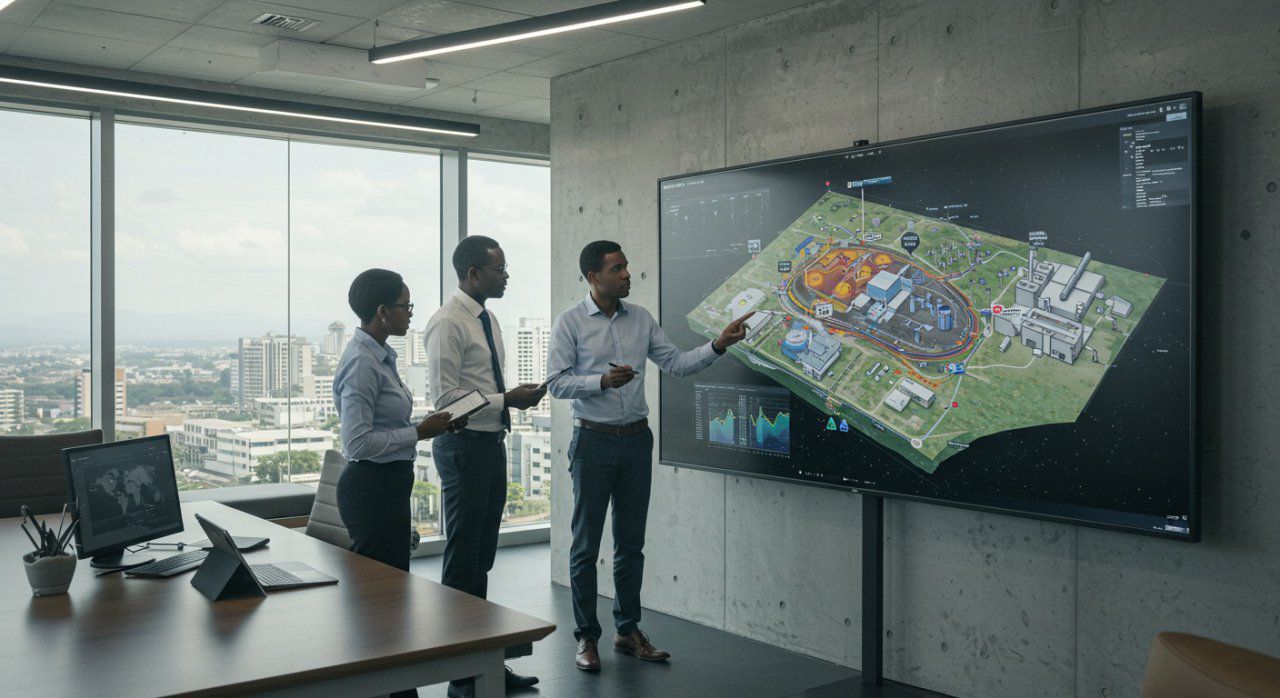
Keeping track of progress on a large-scale pipeline project can be challenging. A digital twin integrates real-time data from the construction site, providing an accurate and up-to-the-minute view of progress. This can include data from GPS-enabled machinery, drone surveys, and daily reports from site supervisors. Project managers can visualize completed sections, ongoing work, and upcoming tasks in a 3D environment. If the project deviates from the plan, the digital twin can highlight these discrepancies immediately. This allows for rapid intervention and corrective actions, ensuring the project stays on track. Effective progress monitoring via the pipeline project digital twin is crucial for maintaining project timelines and controlling costs in complex construction environments like those found in Kenya.
Improving Safety and Risk Management
Safety is a paramount concern in pipeline construction. A digital twin enhances safety management by enabling proactive risk identification and mitigation. Before commencing potentially hazardous activities, such as trenching in unstable soil or working at heights, the construction team can simulate these operations within the digital twin. This helps in identifying potential hazards, such as underground obstructions, unstable ground conditions, or risks associated with heavy lifting. Based on these simulations, more effective safety procedures and protocols can be developed. The digital twin can also be used for training personnel on site-specific risks and safety measures. This comprehensive approach to safety, driven by the pipeline project digital twin, significantly reduces the likelihood of accidents and injuries.
Fortisure Consulting: Your Partner in Pipeline Project Success
Navigating the complexities of modern pipeline construction requires specialized expertise. Fortisure Consulting offers leading infrastructure procurement advisory services in Nairobi, Kenya. We help clients leverage cutting-edge technologies like digital twins to ensure the success of their pipeline projects. Our team understands the unique challenges of the Kenyan market and provides tailored solutions. From initial project planning and risk assessment to vendor selection and technology integration, we guide you every step of the way. Partner with Fortisure Consulting to unlock the full potential of a pipeline project digital twin, ensuring your project is delivered efficiently, safely, and cost-effectively.