Understanding Digital Twins in Pipeline Projects
In Nairobi's dynamic infrastructure landscape, the effective maintenance of pipeline projects is paramount. The adoption of cutting-edge technologies is no longer optional but a necessity for operational excellence. One such transformative technology is the use of pipeline project digital twins. These virtual replicas offer an unprecedented level of insight into pipeline assets, enabling proactive identification of potential issues and optimizing maintenance schedules. Fortisure Consulting, your premier infrastructure procurement advisory in Nairobi, Kenya, is at the forefront of integrating these advanced solutions. Embracing pipeline project digital twins ensures enhanced safety, reduced downtime, and significant cost savings for your critical infrastructure investments across Kenya.
What are Pipeline Project Digital Twins?
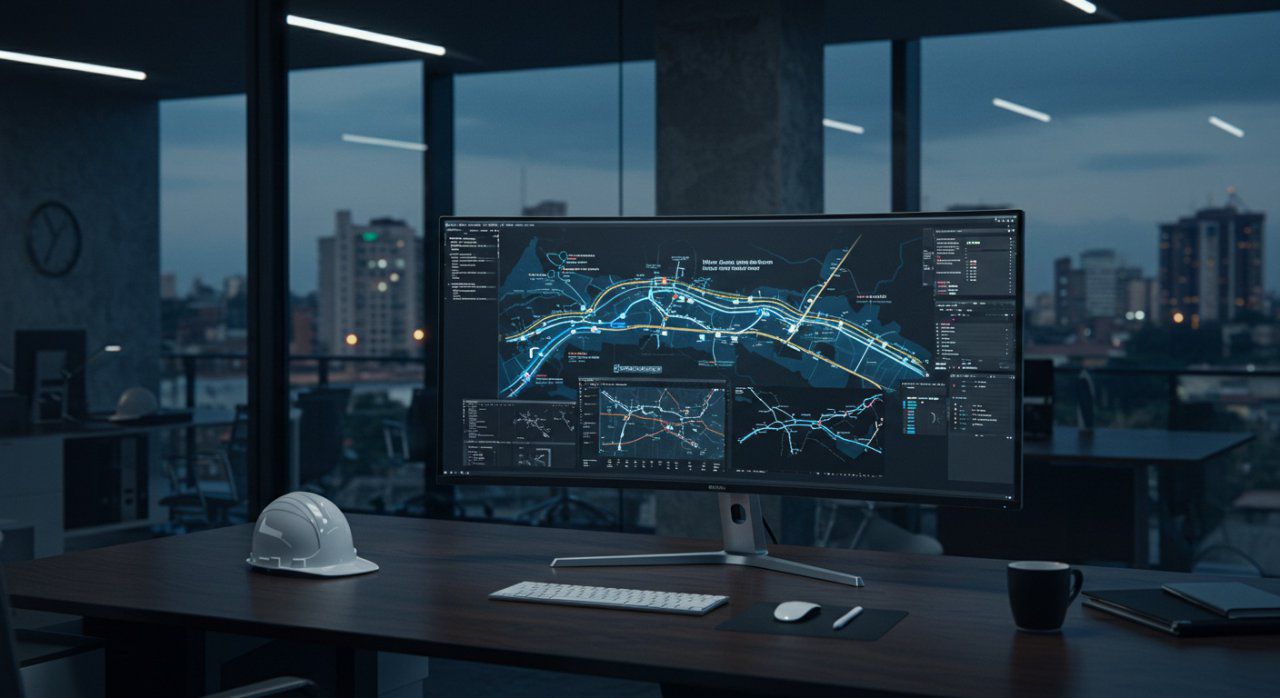
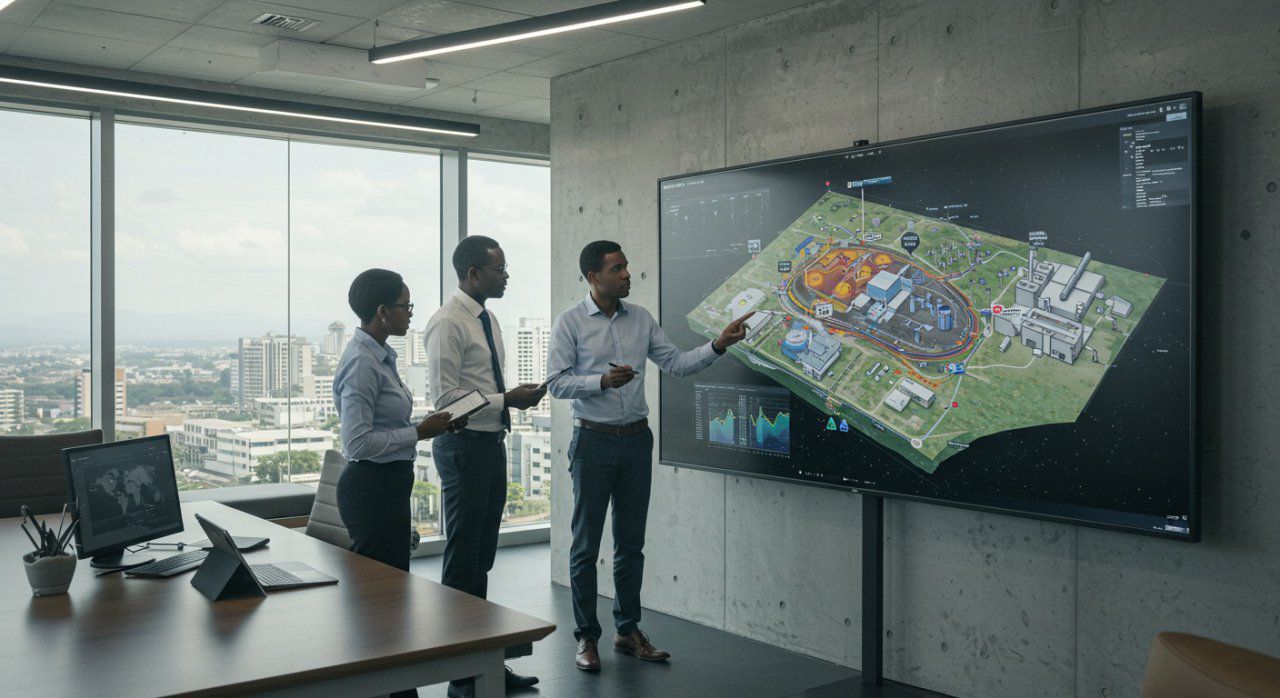
A digital twin is a virtual representation of a physical asset, process, or system. For pipeline projects, this involves creating a dynamic, real-time digital replica that mirrors the actual pipeline infrastructure. This replica is fed data from various sources, including sensors installed along the pipeline, operational logs, maintenance records, and environmental monitoring systems. The data flow is continuous, meaning the digital twin evolves alongside its physical counterpart. This allows for detailed analysis of performance, stress points, and potential failure modes. In Nairobi, where infrastructure development is rapidly progressing, understanding and implementing pipeline project digital twins is crucial for managing complex networks. These twins provide a comprehensive view of the pipeline's health, enabling predictive maintenance strategies that were previously impossible. The insights gained from a digital twin can inform decisions about repairs, upgrades, and operational adjustments, ensuring the longevity and reliability of vital energy and water transport systems throughout Kenya.

Benefits of Digital Twins for Pipeline Maintenance
The integration of digital twins into pipeline project management offers a multitude of benefits. Enhanced monitoring capabilities are a primary advantage, allowing operators to track pipeline integrity, flow rates, and pressure in real-time. This immediate visibility helps in detecting anomalies or potential leaks much faster than traditional methods. Predictive maintenance is another significant gain; by analyzing historical and real-time data within the digital twin, potential equipment failures or material degradation can be predicted before they occur. This shifts maintenance from a reactive to a proactive approach, drastically reducing unexpected downtime and costly emergency repairs. Safety is also significantly improved, as potential hazards can be identified and mitigated in the virtual environment before they impact the physical pipeline or personnel. For infrastructure projects in Nairobi, this translates to more reliable service delivery and reduced operational risks. The use of pipeline project digital twins ultimately leads to optimized operational efficiency and extended asset lifespan, making them an indispensable tool for modern pipeline management in Kenya.
Implementing Digital Twins in Nairobi's Pipeline Projects

Implementing digital twins for pipeline projects in Nairobi requires a strategic approach. It begins with defining clear objectives for the digital twin, such as improving leak detection, optimizing maintenance scheduling, or enhancing safety protocols. The next step involves selecting the appropriate data sources and sensors. High-quality data is the foundation of an effective digital twin. This includes pressure sensors, flow meters, acoustic monitors, and even drone imagery for visual inspection. Establishing a robust data infrastructure is critical to collect, store, and process this information efficiently. Cloud-based platforms are often utilized to manage the vast amounts of data generated. Developing the virtual model itself involves sophisticated software that can accurately represent the physical pipeline, including its geometry, materials, and operational parameters. Integration with existing SCADA systems and enterprise asset management platforms is also key. Fortisure Consulting assists clients in Nairobi and across Kenya to navigate these complexities, ensuring a seamless integration of digital twin technology into their existing operations and procurement processes. This systematic implementation ensures that the full potential of digital twins for pipeline maintenance is realized.
Data Integration and Analytics for Digital Twins
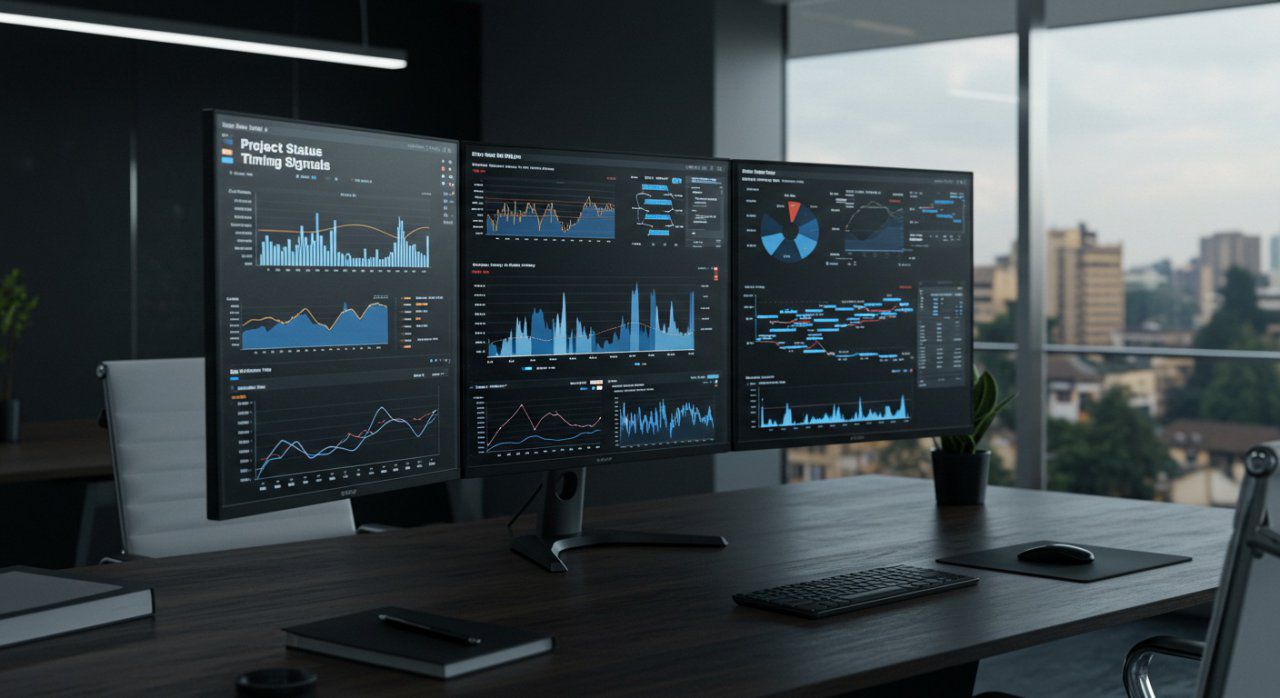
The power of a digital twin lies in its ability to integrate and analyze diverse data streams. For pipeline projects, this means combining data from IoT sensors, SCADA systems, geographical information systems (GIS), weather data, and historical maintenance logs. Advanced analytics, including AI and machine learning algorithms, are then applied to this integrated data. These algorithms can identify subtle patterns and correlations that might be missed by human analysis. For example, they can predict the likelihood of corrosion based on soil conditions, historical flow data, and material properties. Predictive models can forecast equipment wear and tear, allowing for timely interventions. Anomaly detection algorithms can flag unusual pressure drops or flow variations that might indicate a leak or blockage. The insights derived from these analyses are crucial for making informed decisions about maintenance, operational adjustments, and capital expenditure planning. In Nairobi, leveraging sophisticated data analytics with digital twins empowers operators to manage their pipeline networks more effectively and proactively. This data-driven approach is fundamental to optimizing performance and ensuring the long-term viability of infrastructure assets in Kenya.
Challenges and Future of Digital Twins in Pipeline Management
Despite the immense benefits, implementing digital twins for pipeline projects presents certain challenges. The initial investment in technology, sensors, and software can be substantial. Ensuring data security and privacy is another critical concern, especially when dealing with sensitive infrastructure data. Interoperability between different systems and software platforms can also pose integration difficulties. Furthermore, skilled personnel are required to manage, interpret, and act upon the data generated by digital twins. However, the future of digital twins in pipeline management is exceptionally bright. As the technology matures and costs decrease, adoption rates are expected to soar. Advancements in AI, IoT, and cloud computing will further enhance the capabilities of digital twins, enabling more accurate predictions and autonomous operational adjustments. In Nairobi, as the demand for reliable infrastructure grows, the role of digital twins will become increasingly vital. They will not only revolutionize maintenance but also play a significant role in the design, construction, and decommissioning phases of pipeline projects, offering a holistic lifecycle management solution for assets across Kenya.
Fortisure Consulting: Your Partner in Digital Transformation
Navigating the complexities of digital transformation in the infrastructure sector requires expert guidance. Fortisure Consulting, a leading infrastructure procurement advisory firm in Nairobi, Kenya, specializes in helping organizations harness the power of technologies like digital twins. We understand the unique challenges faced by pipeline operators in Kenya and provide tailored solutions to integrate advanced digital tools into your operations. Our services encompass strategic planning, technology selection, vendor management, and implementation support, ensuring you maximize the return on your investment. Whether you are planning a new pipeline project or seeking to optimize existing assets, Fortisure Consulting can guide you through the process of adopting pipeline project digital twins. We are committed to enhancing the efficiency, safety, and sustainability of your infrastructure assets. Partner with us to embrace the future of pipeline management and ensure your projects in Nairobi and across Kenya are at the cutting edge of technological innovation.