The Power of Digital Twins in Nairobi's Renewable Energy Sector
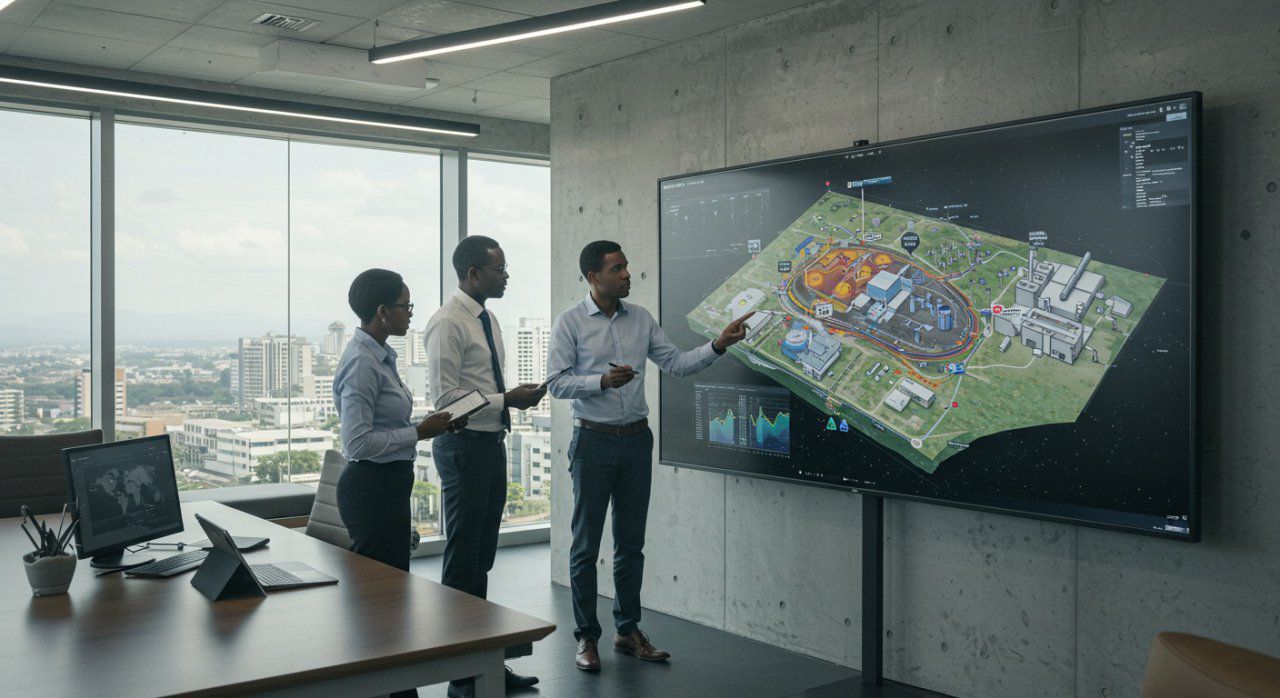
Nairobi's commitment to sustainable energy is driving significant growth in renewable projects. To maximize efficiency and reliability, advanced technologies are essential. Digital twins are emerging as a critical tool in this domain. A renewable energy project digital twin is a virtual replica of a physical asset or system. It provides real-time data insights for better management and performance optimization. From solar farms to wind turbines, digital twins offer unprecedented visibility. They enable predictive maintenance and informed decision-making. Fortisure Consulting is guiding Kenya's energy sector in adopting these transformative digital solutions in Nairobi.
What is a Digital Twin for Renewable Energy?
A digital twin is a dynamic virtual representation of a physical asset, process, or system. For a renewable energy project in Nairobi, this could be a solar farm, a wind turbine, or an entire power grid. It is created using data from sensors, IoT devices, and operational systems. This data is continuously fed into the virtual model, ensuring it accurately reflects the real-world counterpart's status. The digital twin allows for simulation, analysis, and prediction. It enables operators to monitor performance remotely, identify potential issues before they occur, and optimize operations. Implementing a renewable energy project digital twin provides a powerful tool for managing complex energy infrastructure effectively.
Applications of Digital Twins in Solar and Wind Projects
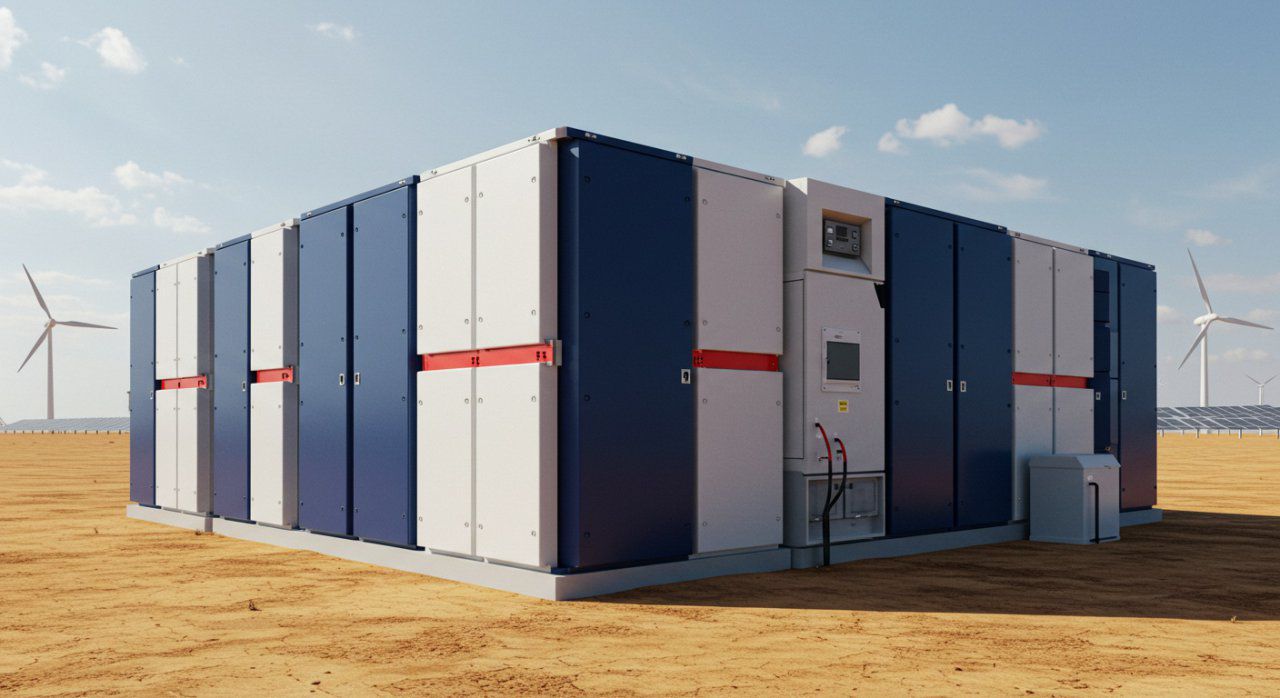
Digital twins offer transformative applications for solar and wind energy projects in Kenya. For solar farms, a digital twin can monitor individual panel performance, track irradiance, and predict energy output. It can identify underperforming panels or potential faults, allowing for targeted maintenance. In wind energy, digital twins can monitor turbine health, blade condition, and wind patterns. This enables predictive maintenance for critical components like gearboxes and generators. It helps optimize turbine orientation for maximum energy capture. The ability to simulate different operational scenarios allows for better grid integration and energy management. These insights are crucial for maximizing the return on investment for renewable energy assets in Nairobi.
Benefits of Digital Twins for Asset Management

The implementation of digital twins brings substantial benefits to the management of renewable energy assets in Nairobi. Enhanced operational efficiency is a key advantage. By providing real-time performance data and predictive analytics, digital twins allow for proactive rather than reactive maintenance. This minimizes downtime and maximizes energy generation. Improved asset lifespan is another significant benefit. Early detection of wear and tear on components allows for timely interventions, preventing catastrophic failures and extending the operational life of turbines and solar arrays. Cost savings are realized through reduced maintenance expenses, optimized energy production, and minimized operational disruptions. Furthermore, digital twins facilitate better resource allocation and strategic planning for future energy developments in Kenya.
Data Integration and Technology Requirements
Creating and maintaining a functional digital twin for a renewable energy project requires robust data integration and specific technologies. Reliable sensors and IoT devices are essential for collecting accurate, real-time data from physical assets. Secure and high-bandwidth communication networks are needed to transmit this data efficiently. Advanced software platforms are required to build, host, and analyze the digital twin model. These platforms often incorporate AI and machine learning capabilities for predictive analytics. Data security is paramount to protect sensitive operational information. For companies in Nairobi, ensuring the compatibility of these technologies with existing infrastructure is crucial for successful implementation. Fortisure Consulting advises on the optimal technology stack.
Fortisure Consulting's Role in Digital Twin Adoption
Fortisure Consulting is dedicated to empowering Nairobi's energy sector with cutting-edge digital solutions like digital twins. As experienced infrastructure procurement advisors, we help energy companies navigate the complexities of adopting this technology. We assist in defining the scope and objectives for a digital twin project. Our team helps select the most appropriate technology partners and platforms. We also support the development of robust data strategies and integration plans. Fortisure Consulting provides strategic guidance throughout the procurement and implementation phases. Our aim is to ensure that every renewable energy project digital twin delivers maximum value and contributes to Kenya's sustainable energy goals.
The Future of Digital Twins in Kenya's Energy Landscape
The future of digital twins in Kenya's energy sector is incredibly promising. As the Internet of Things (IoT) becomes more pervasive and data analytics capabilities advance, digital twins will become more sophisticated and integrated. We expect to see interconnected digital twins representing entire energy systems, enabling holistic grid management and optimization. AI-driven insights will become even more powerful, predicting performance and maintenance needs with greater accuracy. The use of digital twins for scenario planning, such as the impact of climate change or new energy policies, will become standard practice. This technology will be instrumental in ensuring the resilience and efficiency of Nairobi's evolving energy infrastructure.