
The Synergy Between Renewables and Smart Grids
Integrating renewable energy sources into the power grid is crucial for a sustainable future. In Nairobi, Kenya, achieving effective renewable energy project smart grid integration is a key focus. Smart grids offer the flexibility and control needed to manage intermittent renewable power generation. This integration ensures grid stability, optimizes energy distribution, and maximizes the use of clean energy. Fortisure Consulting provides expert advisory services. We help developers and utilities navigate the complexities of smart grid integration. Partner with us to build a more resilient and efficient energy future for Kenya.
Understanding Smart Grid Technology
A smart grid uses digital communication technology. It enables two-way communication between the utility and its customers. This allows for real-time monitoring and control of energy flow. Key features include advanced metering infrastructure (AMI), demand response systems, and automation. Smart grids enhance grid reliability and efficiency. They facilitate the integration of distributed energy resources, such as solar and wind power. For renewable energy project smart grid integration, this technology is indispensable.

Challenges in Renewable Energy Integration
Renewable energy sources like solar and wind are often intermittent. Their output can fluctuate based on weather conditions. This variability poses challenges to grid stability. Managing these fluctuations requires sophisticated control systems. Ensuring power quality and balancing supply with demand are critical. Grid infrastructure may need upgrades to handle bidirectional power flow. Fortisure Consulting helps identify and address these integration challenges proactively.
Benefits of Smart Grid Integration
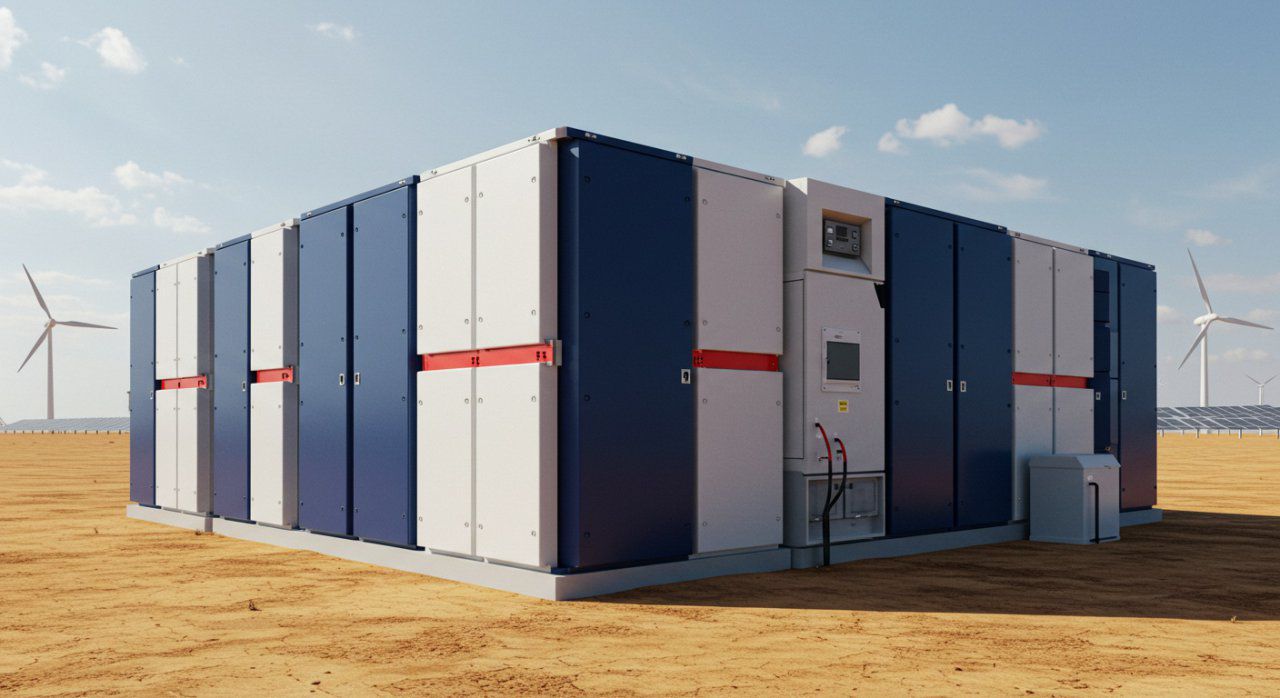
Successfully integrating renewables into a smart grid yields significant benefits. It enhances grid stability and reliability, even with high renewable penetration. It optimizes energy distribution, reducing transmission losses. Smart grids enable better demand-side management, improving efficiency. They facilitate the integration of electric vehicles and energy storage solutions. This ultimately supports a cleaner, more sustainable energy system. Fortisure Consulting guides projects to maximize these advantages.
Key Components for Successful Integration
Effective renewable energy project smart grid integration requires several key components. Advanced forecasting systems predict renewable energy output. Energy storage solutions, like batteries, help smooth out supply fluctuations. Smart inverters facilitate grid interaction and control. Robust communication networks ensure seamless data exchange. Grid management software provides real-time visibility and control. Fortisure Consulting advises on selecting and implementing the right technologies for your project.
Regulatory and Policy Frameworks
Supportive regulatory policies are vital for smart grid adoption. Governments often provide incentives for renewable energy and smart grid development. Clear standards for grid interconnection are necessary. Collaboration between utilities, regulators, and technology providers is essential. Fortisure Consulting helps clients navigate the policy landscape in Kenya. We ensure projects align with national energy strategies and regulatory requirements.
The Role of Fortisure Consulting
Fortisure Consulting offers comprehensive support for renewable energy project smart grid integration. We provide feasibility studies, technology assessment, and system design services. Our team helps with grid interconnection studies and regulatory compliance. We assist in developing operational strategies for optimal performance. Our goal is to ensure your renewable energy projects seamlessly connect to and enhance Kenya's power grid.