The Evolution of Maintenance in Energy Infrastructure
Ensuring the reliability and efficiency of energy infrastructure is critical for Nairobi's development and Kenya's economic growth. Traditional maintenance approaches are often reactive and costly. Implementing smart maintenance for energy infrastructure is revolutionizing how assets are managed. This involves leveraging advanced technologies like IoT, AI, and data analytics to predict and prevent failures before they occur. Fortisure Consulting, a premier infrastructure advisory firm in Nairobi, specializes in guiding energy projects through this transition. Our expertise helps optimize maintenance strategies, reduce operational costs, and enhance asset longevity for vital energy networks across Kenya.
Understanding Smart Maintenance
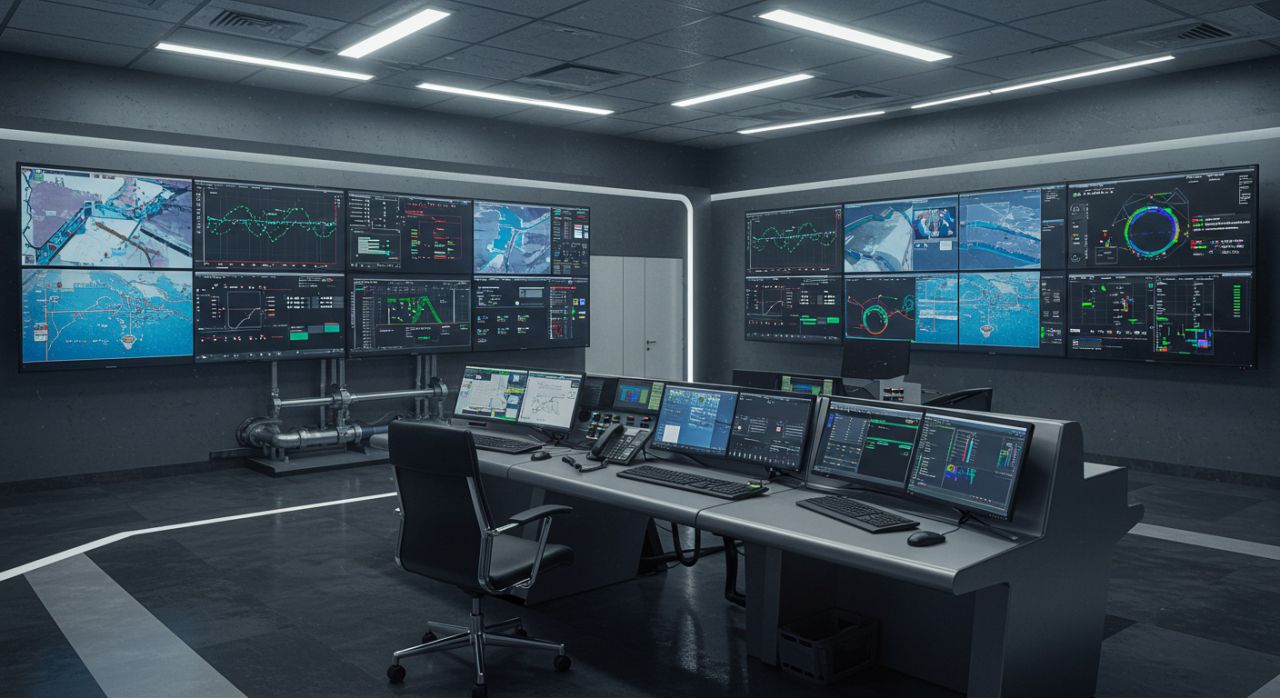
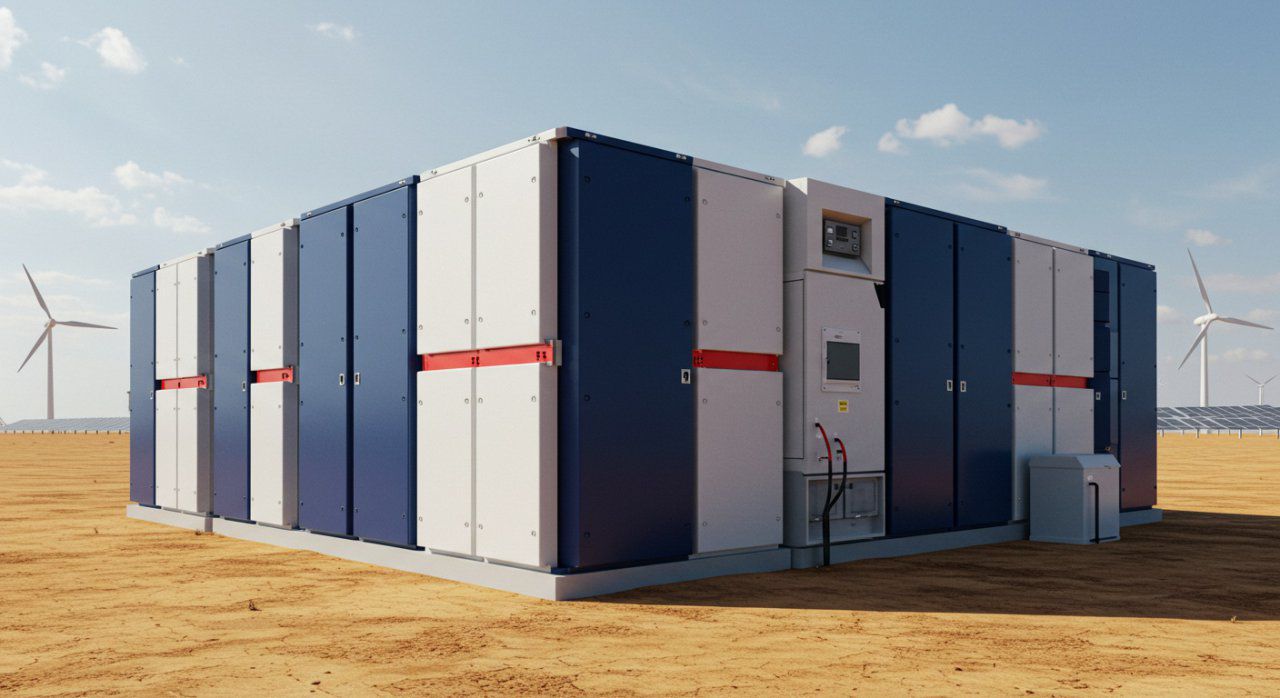
Smart maintenance moves beyond routine or reactive repair schedules. It is a proactive, data-driven approach focused on predicting potential failures and optimizing maintenance interventions. For energy infrastructure, this means utilizing sensors embedded within equipment like transformers, pipelines, power lines, and substations. These sensors collect real-time data on operational parameters, such as temperature, vibration, pressure, and electrical load. This data is then analyzed using sophisticated algorithms and AI. The goal is to identify subtle anomalies that may indicate an impending issue. Implementing smart maintenance for energy infrastructure allows for timely interventions, preventing costly breakdowns and extending asset life.
Technologies Enabling Smart Maintenance
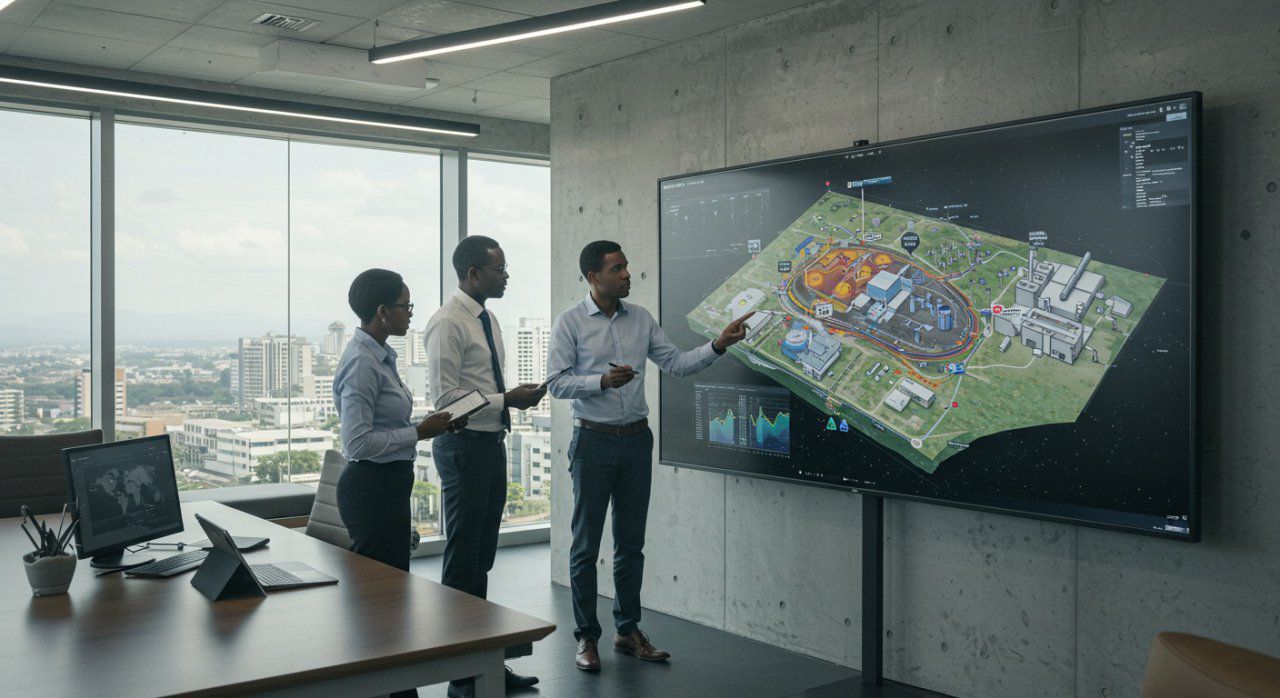
Several key technologies underpin effective smart maintenance strategies. The Internet of Things (IoT) is foundational, providing the network for sensors to collect and transmit data from remote or critical assets. Condition Monitoring Systems (CMS) use these sensors to track the health of equipment in real-time. Predictive Analytics, often powered by Artificial Intelligence (AI) and Machine Learning (ML), analyzes the vast streams of data from CMS. These tools identify patterns and predict future failures with high accuracy. Digital Twins, virtual replicas of physical assets, allow for simulation and testing of maintenance scenarios without impacting live operations. Cloud Computing provides the scalable infrastructure needed to store and process the massive datasets involved in smart maintenance for energy infrastructure.
Benefits of Smart Maintenance for Energy Projects

The advantages of adopting smart maintenance practices for energy infrastructure projects in Nairobi are numerous and significant. Firstly, it dramatically improves asset reliability and uptime. By predicting and preventing failures, critical energy services remain uninterrupted. Secondly, it leads to substantial cost savings. Proactive maintenance is typically less expensive than emergency repairs. It also optimizes resource allocation, ensuring maintenance crews are deployed effectively. Thirdly, it enhances safety for both personnel and the public. Identifying potential hazards before they cause incidents reduces risks. Fourthly, it extends the operational lifespan of valuable infrastructure assets. This maximizes the return on investment for energy companies operating in Kenya.
Predictive vs. Preventive Maintenance
While preventive maintenance involves scheduled upkeep, smart maintenance elevates this to a predictive level. Preventive maintenance operates on fixed schedules (e.g., every six months) or usage metrics (e.g., every 1000 operating hours), regardless of the actual condition of the equipment. This can lead to unnecessary maintenance or missed issues. Predictive maintenance, however, uses real-time data and analytics to determine the optimal time for maintenance. It intervenes only when specific indicators suggest a need. This ensures that maintenance is performed exactly when required, optimizing resource use and minimizing disruption. This shift towards condition-based and predictive approaches is central to smart maintenance for energy infrastructure.
Challenges and Implementation Strategies
Implementing smart maintenance is not without its challenges. Initial investment in sensors, software, and data infrastructure can be considerable. Integrating new digital systems with existing legacy infrastructure requires careful planning. Developing the necessary in-house expertise or finding skilled external partners is also crucial. Data security and privacy concerns must be addressed proactively. Fortisure Consulting helps clients overcome these hurdles by developing phased implementation plans. We focus on demonstrating early wins to build momentum. Our approach prioritizes user-friendly interfaces and robust training programs. We ensure a smooth transition towards effective smart maintenance for energy infrastructure in Nairobi.
Partnering with Fortisure Consulting for Smarter Maintenance
Fortisure Consulting provides expert advisory services for implementing smart maintenance for energy infrastructure projects in Nairobi, Kenya. We understand the critical nature of energy assets and the complexities of modern maintenance strategies. Our team works closely with clients to assess their current maintenance practices, identify opportunities for digital integration, and develop tailored smart maintenance programs. We help select the right technologies, manage implementation projects, and build internal capabilities. Trust Fortisure Consulting to enhance the reliability, efficiency, and cost-effectiveness of your energy infrastructure through intelligent maintenance solutions.