The Importance of Optimizing Solar Energy Yield
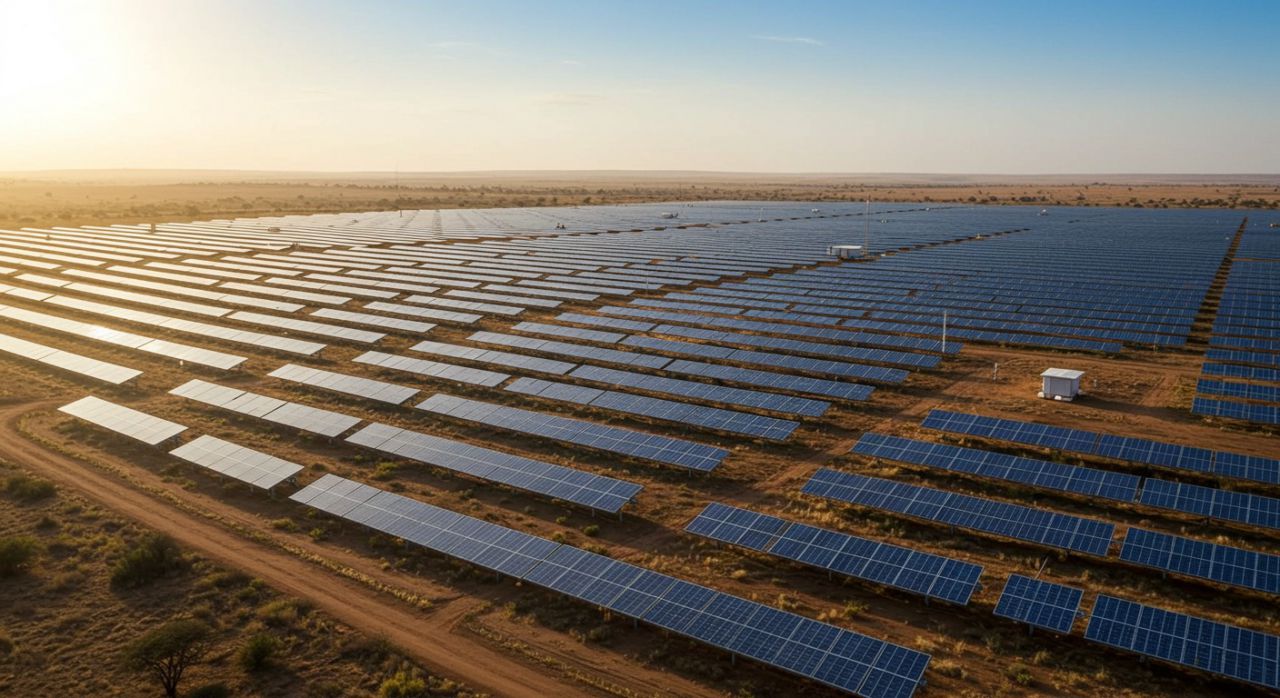
In Nairobi's thriving market, maximizing the efficiency of solar power installations is paramount for profitability and sustainability. Effective solar power energy yield optimization ensures that solar projects deliver their maximum potential output. This involves a meticulous process of analysis, design refinement, and operational adjustments. Fortisure Consulting, a leading infrastructure advisory firm in Nairobi, Kenya, specializes in unlocking the full potential of solar assets. We employ advanced techniques and data analytics to boost energy generation. Our goal is to enhance the return on investment for solar power projects across Kenya, ensuring they perform at peak capacity throughout their operational life.
Key Factors Influencing Solar Energy Yield
Several critical factors influence the energy yield of a solar power project. Site selection and orientation are fundamental; understanding Nairobi's specific solar irradiance patterns is crucial. The quality and efficiency of solar panels and inverters play a significant role. Degradation rates over time must also be factored into any solar power energy yield optimization strategy. Shading from nearby structures or vegetation can drastically reduce output. Soiling of the panels, caused by dust and environmental factors prevalent in Kenya, also diminishes performance. Furthermore, the design of the mounting system, including tilt angle and tracking capabilities, directly impacts energy capture. Effective system design and ongoing maintenance are vital for sustained high yields.

Advanced Techniques for Yield Optimization
Achieving optimal energy yield requires employing advanced techniques and technologies. String design and configuration are critical for minimizing mismatch losses between panels. The selection of appropriate inverters, including string or central inverters, depends on the project's scale and specific needs. For larger installations, Maximum Power Point Tracking (MPPT) technology is essential. It ensures panels operate at their most efficient voltage and current under varying conditions. Predictive modeling using historical weather data and performance metrics allows for proactive adjustments. This is key for effective solar power energy yield optimization in Nairobi's climate. Implementing smart monitoring systems provides real-time performance data, enabling rapid identification and resolution of issues.
The Role of Site Analysis and Design
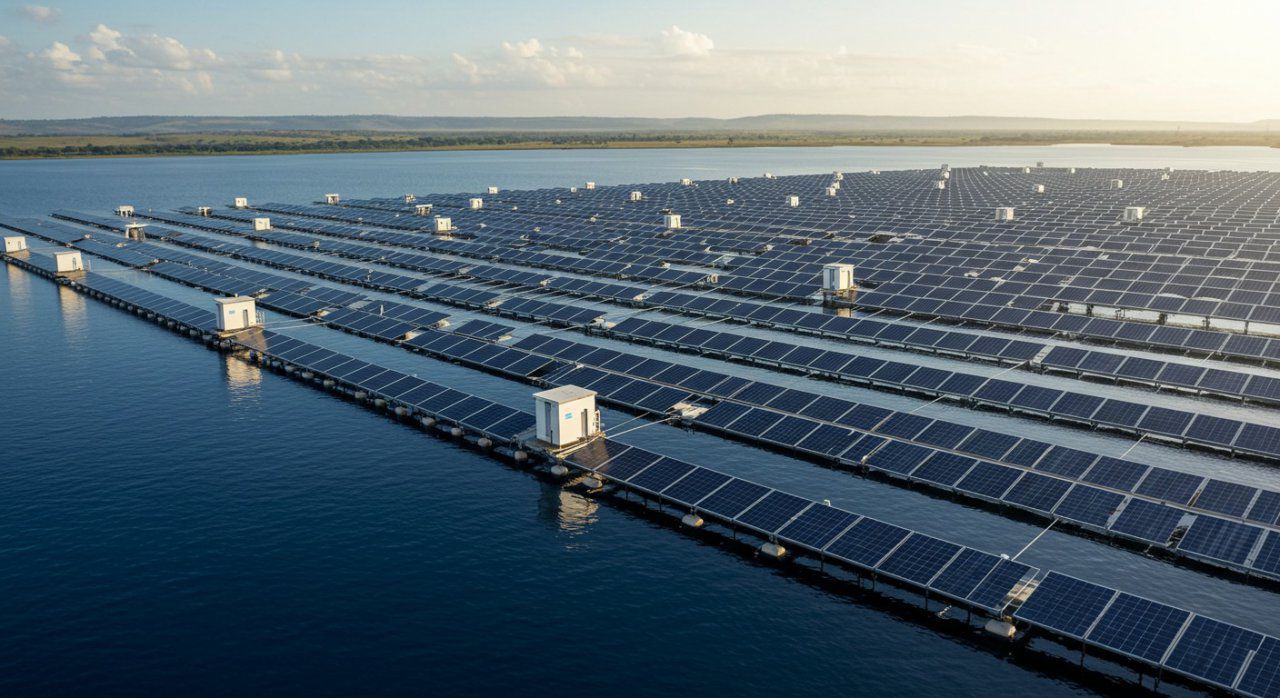
A comprehensive site analysis is the bedrock of any successful solar project optimization effort. This involves detailed studies of solar irradiance, ambient temperature, and potential shading throughout the year in Nairobi. Understanding microclimate variations across the site is important. The design phase must account for these findings. This includes optimizing the layout of solar arrays to minimize inter-row shading. Selecting the correct tilt angle and azimuth for the panels ensures maximum sun exposure. For ground-mounted systems, considering the topography and soil conditions is vital for secure and efficient installation. The design must also anticipate potential future obstructions or environmental changes that could impact yield.
Monitoring, Maintenance, and Performance Tracking
Continuous monitoring and proactive maintenance are indispensable for sustained solar power energy yield optimization. High-resolution monitoring systems track key performance indicators (KPIs) such as energy generated, voltage, current, and temperature for individual panels or strings. Regular cleaning of solar panels is essential, especially in dusty environments like those found in parts of Kenya. Inspections should check for physical damage, loose connections, or inverter faults. Predictive maintenance, based on performance data analysis, can identify potential issues before they lead to significant energy loss or equipment failure. A well-defined maintenance schedule, executed by qualified technicians, ensures the solar power plant operates at its peak efficiency consistently.
Financial Benefits of Optimized Energy Yield
The financial implications of optimizing solar energy yield are substantial. Higher energy production directly translates to increased revenue streams for project owners. This boosts the project's overall profitability and accelerates the return on investment (ROI). Optimized projects are also more attractive to investors and lenders due to their predictable and enhanced performance. Reduced operational costs, stemming from efficient system design and proactive maintenance, further contribute to profitability. In Nairobi and across Kenya, consistent high energy yields strengthen a project's bankability. It also enhances its long-term value and competitiveness in the energy market. Fortisure Consulting helps clients realize these significant financial advantages.
Partnering with Fortisure Consulting for Solar Success
Achieving peak performance from solar power projects in Nairobi requires specialized expertise. Fortisure Consulting offers comprehensive solar power energy yield optimization services tailored to the unique conditions in Kenya. Our team leverages cutting-edge technology and deep industry knowledge. We conduct thorough assessments, refine designs, and implement robust monitoring and maintenance strategies. We partner with clients to ensure their solar investments deliver maximum energy output and financial returns. Let Fortisure Consulting be your trusted advisor in navigating the complexities of solar energy optimization. We are committed to driving the success of your renewable energy projects in Nairobi and beyond.