
Maximizing Solar Energy Output Through Digital Insight
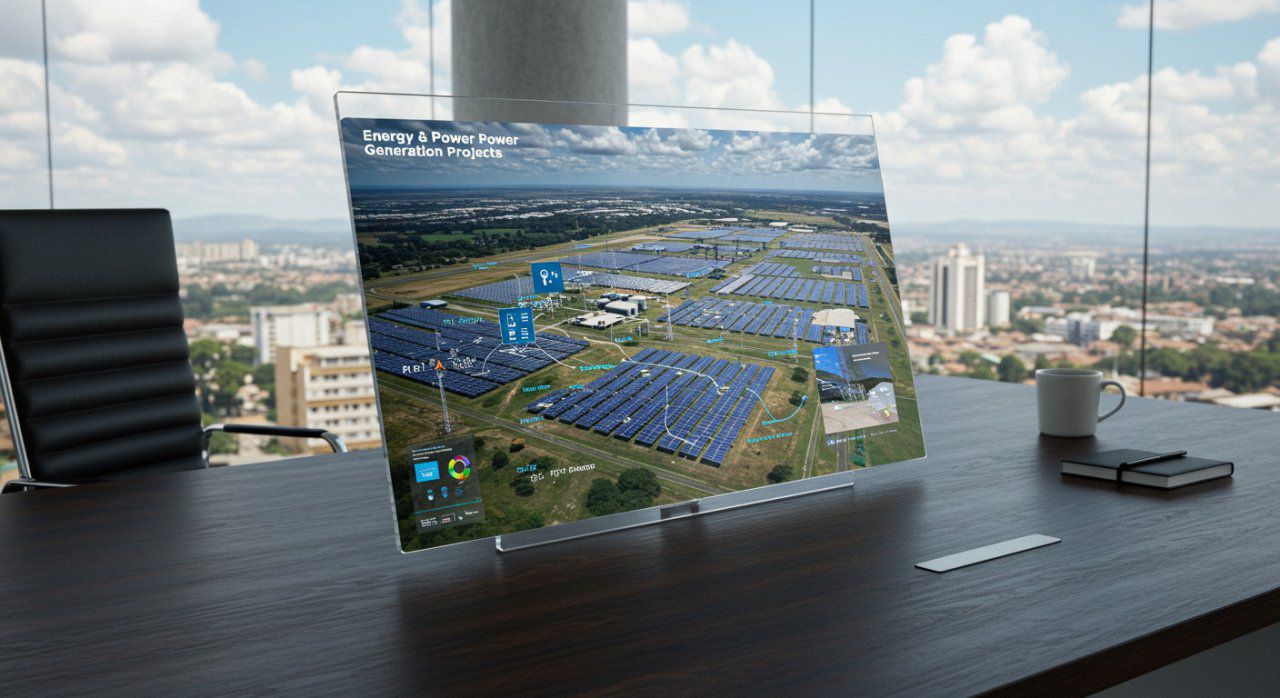
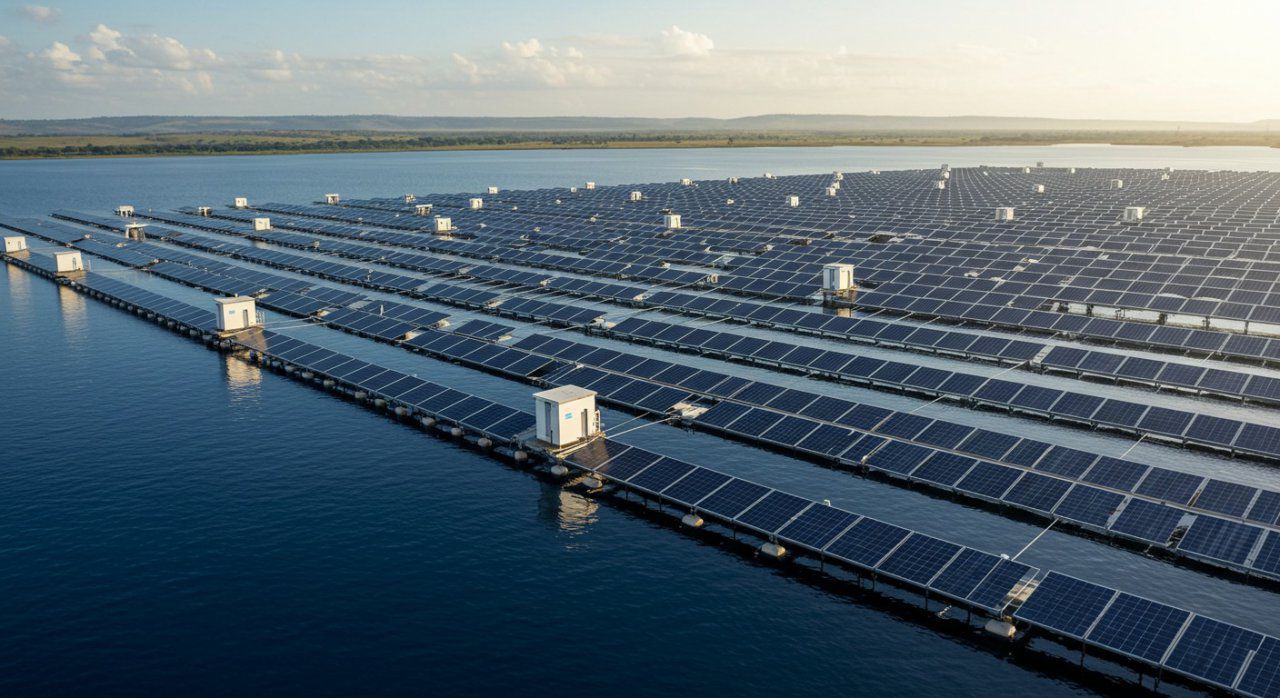
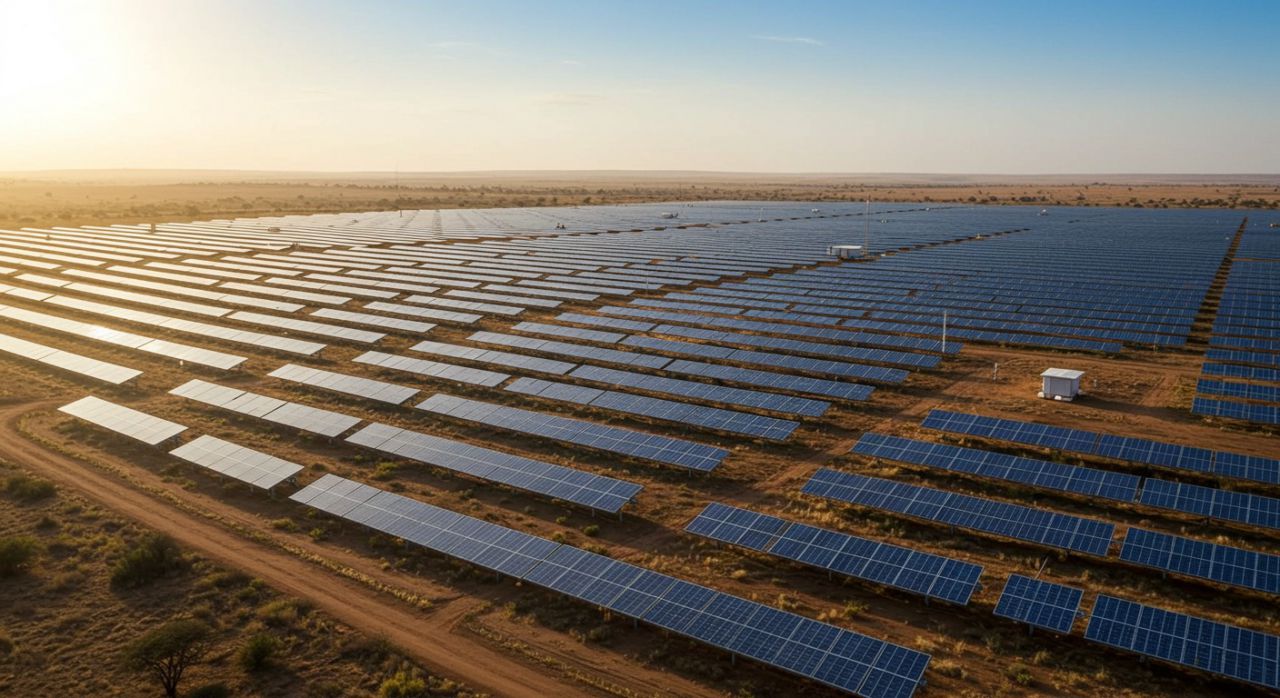
Solar energy is a rapidly growing sector in Nairobi, Kenya, offering a clean and sustainable power source. To maximize the return on investment for solar power projects, meticulous solar power project digital asset performance management is essential. Fortisure Consulting provides specialized advisory services to help solar asset owners and operators in Nairobi optimize their performance. We leverage advanced digital tools and data analytics to ensure your solar installations operate at peak efficiency, minimize losses, and achieve their full potential. Partner with us to secure the long-term success and profitability of your solar energy ventures in Kenya.
Understanding Digital Performance Management for Solar
Digital asset performance management (APM) for solar power projects involves using technology to continuously monitor, analyze, and optimize the energy output and operational health of solar installations. This includes tracking individual panels, inverters, mounting systems, and the overall plant performance against expected yields. In Nairobi's dynamic climate, factors like sunlight intensity, temperature, and soiling can significantly impact output. Digital APM systems collect real-time data from these components, allowing for immediate identification of underperformance or potential issues. The goal is to ensure that every solar asset operates at its maximum potential, contributing to higher revenue and faster payback periods. Effective solar power project digital asset performance management is critical for maintaining competitiveness in the renewable energy market.

Key Technologies in Solar APM
Several key technologies are integral to successful solar power project digital asset performance management. The Internet of Things (IoT) is foundational, enabling the deployment of sensors across the solar array to collect data on sunlight irradiance, panel temperature, inverter status, and energy generation. Advanced data analytics platforms process this information to identify performance trends, detect anomalies, and generate actionable insights. Machine learning algorithms can be used for predictive analytics, forecasting energy production based on weather patterns and predicting potential equipment failures. Performance monitoring software provides dashboards and reports that offer a clear view of the plant's health and output. Automated alerts notify operators of any deviations from expected performance, enabling rapid response. These technologies collectively empower asset managers to optimize every aspect of their solar installations.
Benefits for Solar Projects in Nairobi

Implementing digital asset performance management brings significant advantages to solar power projects in Nairobi. Maximized energy production is a primary outcome, as continuous monitoring and optimization ensure panels and inverters operate at peak efficiency, even under varying environmental conditions. Reduced operational and maintenance costs are achieved through early detection of issues and predictive maintenance, preventing costly failures and unnecessary site visits. Improved financial returns result from higher energy yields and lower operational expenses, leading to a faster return on investment and increased profitability. Enhanced asset lifespan is another benefit, as proactive management reduces stress on components. Furthermore, accurate performance data simplifies reporting for investors and regulatory bodies, ensuring transparency and accountability.
Challenges in Solar Performance Management
Despite its benefits, digital performance management for solar projects faces challenges. The initial cost of sophisticated monitoring equipment and data analytics software can be a barrier for some projects. Integrating diverse data streams from various components and ensuring data accuracy requires robust systems and expertise. Cybersecurity is a significant concern, as interconnected solar assets can be vulnerable to attacks that could disrupt operations or compromise performance data. Furthermore, a shortage of skilled personnel with expertise in solar technology, data analytics, and digital management can hinder effective implementation and ongoing operation in Nairobi. Overcoming these challenges requires strategic planning and investment in both technology and human capital.
Fortisure Consulting's Solar Expertise
Fortisure Consulting offers specialized solar power project digital asset performance management consulting services, supporting Kenya's growing solar energy sector. We understand the nuances of solar installations and the importance of data-driven optimization. Our team works with clients in Nairobi to develop and implement customized APM strategies. We assist in selecting and integrating the most effective digital tools, from sensor networks to advanced analytics platforms. Our goal is to help you maximize energy output, reduce operational costs, and enhance the overall financial performance of your solar assets. Trust Fortisure Consulting to be your partner in achieving optimal results for your solar power projects.
The Future of Solar APM in Kenya
The future of solar power project performance management in Kenya is increasingly digital and intelligent. As the solar sector expands, driven by demand for affordable and clean energy, the sophistication of APM tools will continue to advance. We anticipate greater integration of AI for highly accurate energy production forecasting and dynamic performance optimization. The use of digital twins for solar farms will become more common, enabling detailed simulation and scenario planning. Blockchain technology may also emerge to enhance transparency in energy trading and performance verification. As solar energy plays a larger role in Nairobi's and Kenya's energy mix, robust solar power project digital asset performance management will be crucial for ensuring its efficiency, reliability, and economic viability.