The Importance of Smart Energy Management for Solar Projects
In Nairobi, Kenya, the drive towards sustainable energy solutions is accelerating. Solar power projects are at the forefront of this transition. However, maximizing the efficiency and profitability of these ventures requires sophisticated solar power project energy management systems. These systems are crucial for monitoring, controlling, and optimizing energy generation and consumption. Without them, projects may underperform, leading to lost revenue and unmet energy demands. Fortisure Consulting in Nairobi provides unparalleled expertise in implementing these vital systems. We ensure your solar investments deliver maximum value and contribute effectively to Kenya's energy security.
Understanding Energy Management Systems for Solar
Energy management systems (EMS) for solar power projects are integrated technological solutions designed to oversee and control the performance of solar energy assets. In Nairobi, where solar potential is abundant, implementing the right EMS is key to success. These systems collect real-time data on solar irradiance, panel temperature, inverter performance, and grid conditions. They then use this information to make intelligent decisions about energy flow. This includes optimizing power output, managing battery storage if applicable, and ensuring grid stability. For any large-scale solar power project energy management systems are not just an add-on; they are fundamental to operational excellence. They provide the insights needed to identify inefficiencies and potential faults before they impact production. This proactive approach minimizes downtime and maximizes the return on investment for solar energy developers in Kenya.

Key Components of Solar Energy Management
Effective solar power project energy management systems consist of several critical components. Data acquisition systems gather information from various sensors across the solar farm. Communication networks transmit this data to a central control platform. The control platform, often cloud-based, houses sophisticated algorithms for analysis and decision-making. Advanced analytics identify trends and predict potential issues. Finally, control mechanisms allow the system to adjust operations, such as curtailing output during grid overload or optimizing charging cycles for battery storage. In Nairobi, these systems must also consider local grid regulations and weather patterns. Fortisure Consulting understands these nuances, ensuring that the EMS we deploy are tailored to the specific needs of solar projects in Kenya. This holistic approach guarantees optimal performance and reliability.
Benefits of Advanced Solar EMS in Nairobi
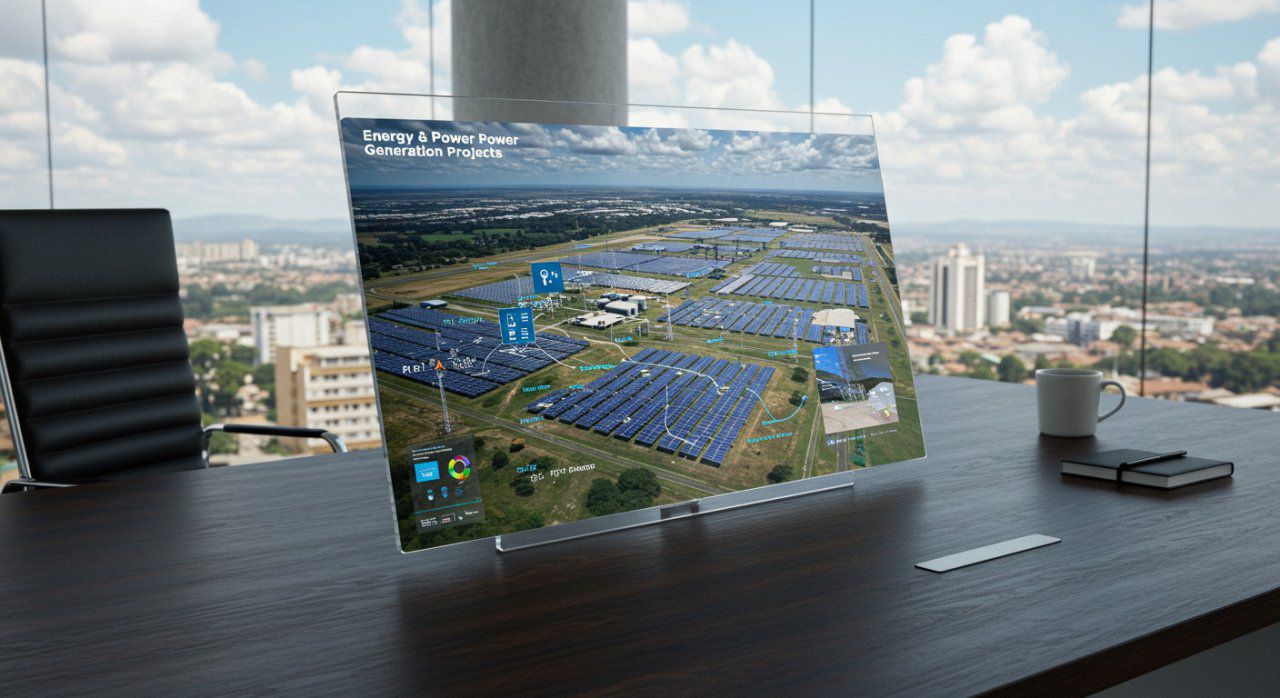
Implementing advanced energy management systems offers significant advantages for solar power projects in Nairobi. Firstly, it dramatically improves energy yield by ensuring panels operate at peak efficiency. Secondly, it enhances operational reliability by enabling remote monitoring and fault detection. This reduces the need for costly on-site inspections. Thirdly, it facilitates better grid integration, helping to stabilize the local power supply. For independent power producers in Kenya, this can lead to improved contract compliance and revenue streams. Furthermore, robust EMS contribute to predictive maintenance, allowing for timely repairs and preventing major equipment failures. This proactive strategy is vital for long-term project sustainability and profitability in the dynamic Kenyan energy market.
Challenges in Implementing Solar EMS
Despite the clear benefits, implementing solar energy management systems in Nairobi can present challenges. One common hurdle is the initial cost of sophisticated hardware and software. Integration with existing infrastructure can also be complex, especially for older solar installations. Ensuring cybersecurity for connected systems is another critical concern, protecting sensitive operational data from unauthorized access. Furthermore, a lack of skilled personnel to operate and maintain these advanced systems can hinder effective deployment. Local regulations and standards may also require careful navigation. Fortisure Consulting addresses these challenges by offering comprehensive support, from system selection and integration to training and ongoing maintenance, ensuring a smooth implementation for solar projects in Kenya.
Fortisure Consulting's Expertise in Solar EMS
Fortisure Consulting stands as a leader in providing expert advisory services for solar power projects across Kenya. Our deep understanding of the energy sector in Nairobi allows us to recommend and implement the most effective solar power project energy management systems. We partner with leading technology providers to ensure our clients receive cutting-edge solutions. Our team works closely with project developers, financiers, and operators to tailor EMS strategies that meet specific project goals. Whether it's optimizing performance, ensuring grid compliance, or maximizing financial returns, Fortisure Consulting delivers results. We are committed to empowering Kenya's transition to clean, reliable solar energy through smart management solutions.
The Future of Solar Energy Management in Kenya
The future of solar energy management in Kenya is intrinsically linked to technological advancements. We anticipate greater integration of artificial intelligence (AI) and machine learning (ML) into EMS. These technologies will enable even more sophisticated forecasting of solar generation and energy demand. The expansion of smart grids will further enhance the capabilities of these systems, allowing for seamless interaction between distributed solar resources and the central grid. Innovations in battery storage technology will also play a crucial role, requiring advanced EMS to manage charging and discharging cycles efficiently. As Nairobi continues to embrace renewable energy, the demand for intelligent, adaptive solar power project energy management systems will only grow. Fortisure Consulting is poised to lead this evolution, ensuring Kenya benefits from the full potential of solar power.