
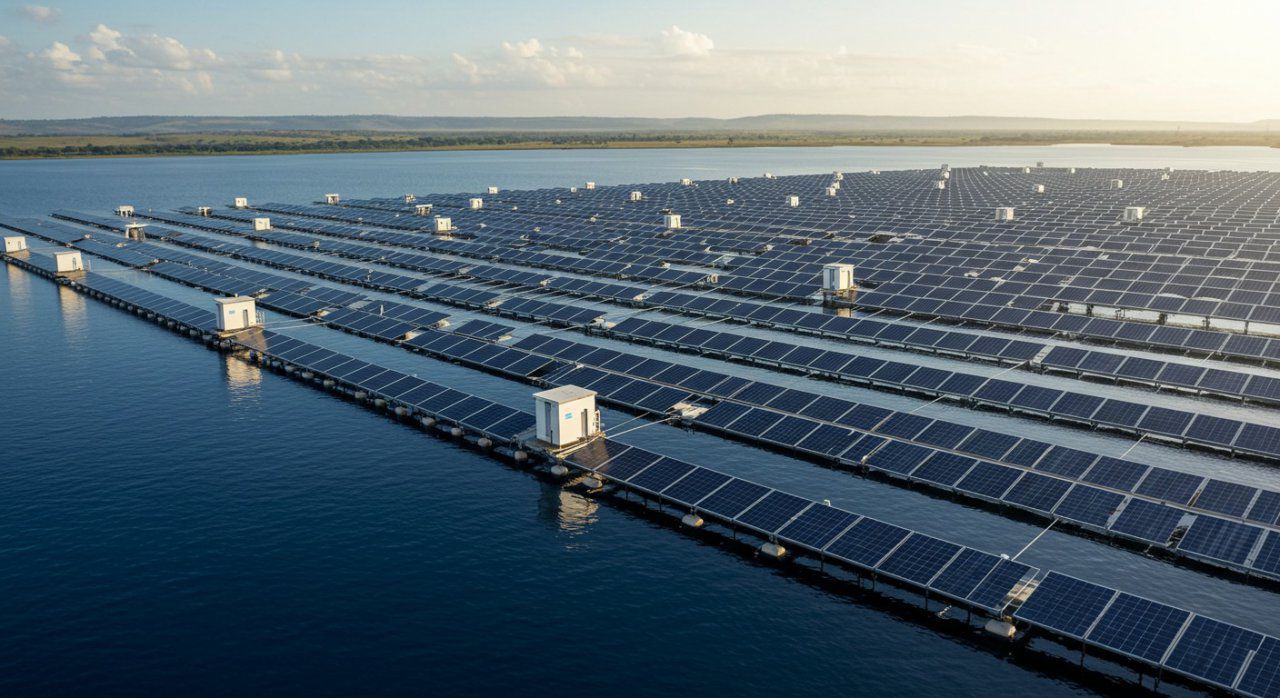
The Importance of Energy Yield Forecasting for Solar Projects
Accurate solar power project energy yield forecasting is fundamental to the success of any solar investment in Nairobi, Kenya. Reliable forecasts are essential for financial planning, grid integration, and operational management. They allow stakeholders to predict energy generation output based on historical data, weather patterns, and system performance. This predictability is crucial for securing financing, negotiating power purchase agreements, and optimizing plant operations. Fortisure Consulting specializes in providing robust forecasting solutions tailored to the unique conditions in Kenya. We help developers and operators in Nairobi make informed decisions. This ensures the financial viability and operational efficiency of their solar power projects.
Factors Influencing Solar Energy Yield
Several factors significantly influence the energy yield of a solar power project energy yield forecasting model. Solar irradiance is the most critical, measuring the amount of solar energy reaching the panels. Weather patterns, including cloud cover, humidity, and temperature, play a vital role. Panel degradation over time reduces efficiency. Soiling from dust and environmental factors also impacts output. System design, including panel orientation, tilt angle, and inverter efficiency, is crucial. Maintenance practices and operational availability of the plant affect actual energy generated. Understanding and quantifying these variables are key to accurate forecasting for solar installations in Nairobi.
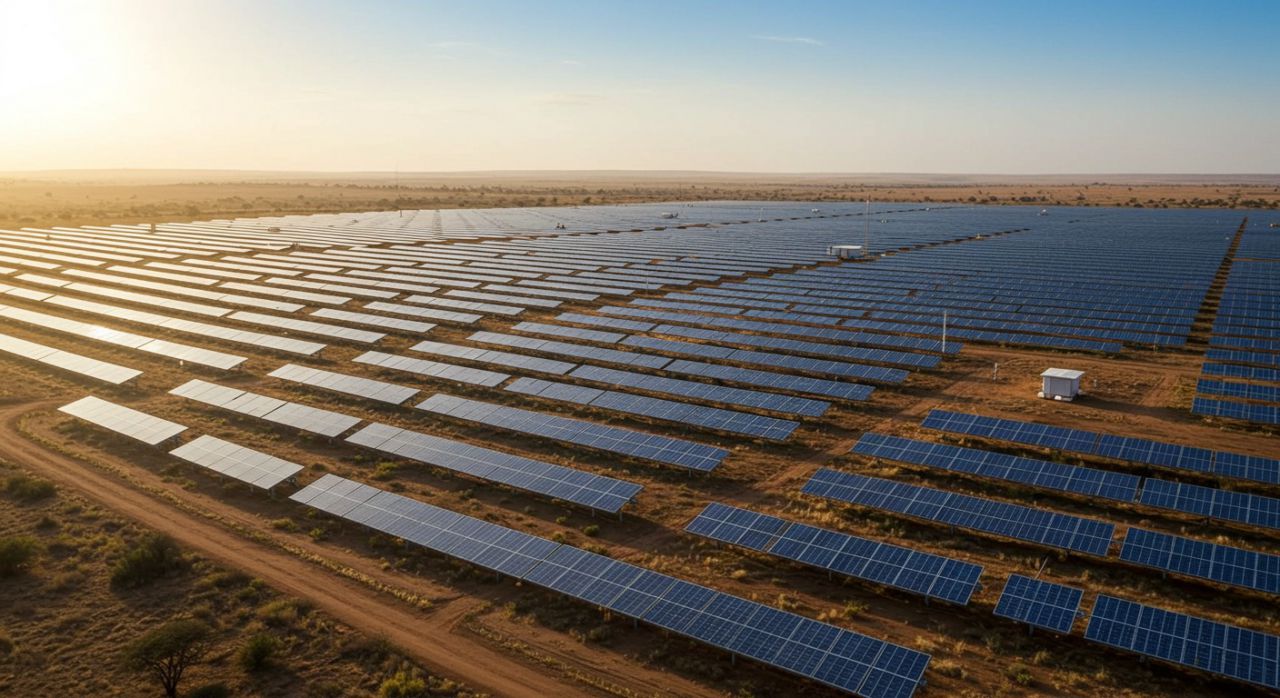
Methodologies for Energy Yield Forecasting
Various methodologies are employed for solar power project energy yield forecasting. Statistical methods analyze historical production data and weather patterns. Physical models use meteorological data and detailed system parameters to simulate energy generation. Machine learning algorithms, such as neural networks and regression models, can identify complex relationships between input factors and energy output. Hybrid approaches combine statistical and physical models for improved accuracy. For projects in Nairobi, it's essential to use models calibrated with local weather data and performance characteristics. Fortisure Consulting utilizes a combination of these advanced techniques. This ensures the highest level of accuracy for our clients' solar projects in Kenya.
The Role of Weather Data in Forecasting

Accurate weather data is the cornerstone of reliable solar power project energy yield forecasting. This includes historical and forecasted solar irradiance, temperature, cloud cover, and wind speed. Satellite-derived irradiance data provides broad coverage. Ground-based weather stations offer precise, localized measurements. Advanced meteorological models provide forecasts for future weather conditions. The quality and granularity of this data directly impact the accuracy of the yield predictions. For solar projects in Nairobi, utilizing reliable local and regional weather data sources is paramount. Fortisure Consulting ensures that the best available meteorological information is incorporated into our forecasting models.
Financial Implications of Accurate Forecasting
Accurate solar power project energy yield forecasting has significant financial implications. It underpins the financial model of a solar project. Reliable forecasts enable lenders and investors to assess project viability and risk more accurately. This can lead to better financing terms and lower capital costs. Accurate predictions are essential for securing Power Purchase Agreements (PPAs). They help in establishing realistic electricity prices and revenue streams. For plant operators, forecasts aid in optimizing maintenance schedules. They also facilitate effective energy trading and grid management. Miscalculations can lead to revenue shortfalls or penalties. Fortisure Consulting helps clients in Nairobi achieve financial certainty through precise forecasting.
Forecasting for Grid Integration and Operations
Effective solar power project energy yield forecasting is crucial for seamless grid integration. Grid operators need predictable generation profiles to maintain grid stability and balance supply and demand. Accurate forecasts allow them to manage the intermittency of solar power effectively. This reduces the need for costly backup generation. For plant operators, forecasts help in scheduling maintenance during periods of low expected generation. They also assist in optimizing the dispatch of energy to the grid. This ensures compliance with grid codes and maximizes revenue. Fortisure Consulting's expertise in forecasting supports the reliable integration of solar power into Kenya's national grid.
Advancements in Solar Forecasting Technology
The field of solar forecasting is continuously advancing. Machine learning and AI are enabling more sophisticated and accurate prediction models. Real-time data integration from IoT sensors on solar farms provides immediate feedback. Sky-imaging cameras offer high-resolution, short-term forecasts. Cloud movement prediction algorithms are becoming more refined. The development of ensemble forecasting techniques, combining multiple models, enhances reliability. As solar power penetration increases in Nairobi and globally, the demand for hyper-accurate forecasting will grow. Fortisure Consulting stays at the forefront of these technological advancements to serve clients better.