
The Significance of Performance Modeling in Nairobi's Solar Power Sector
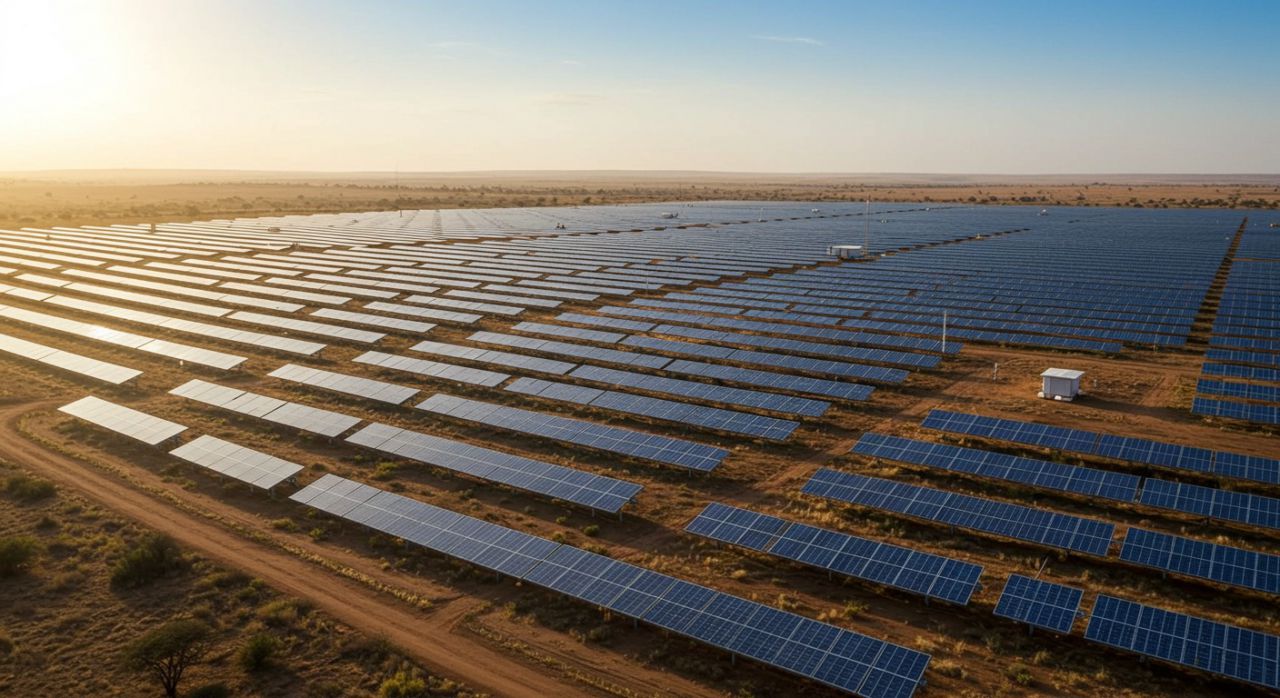
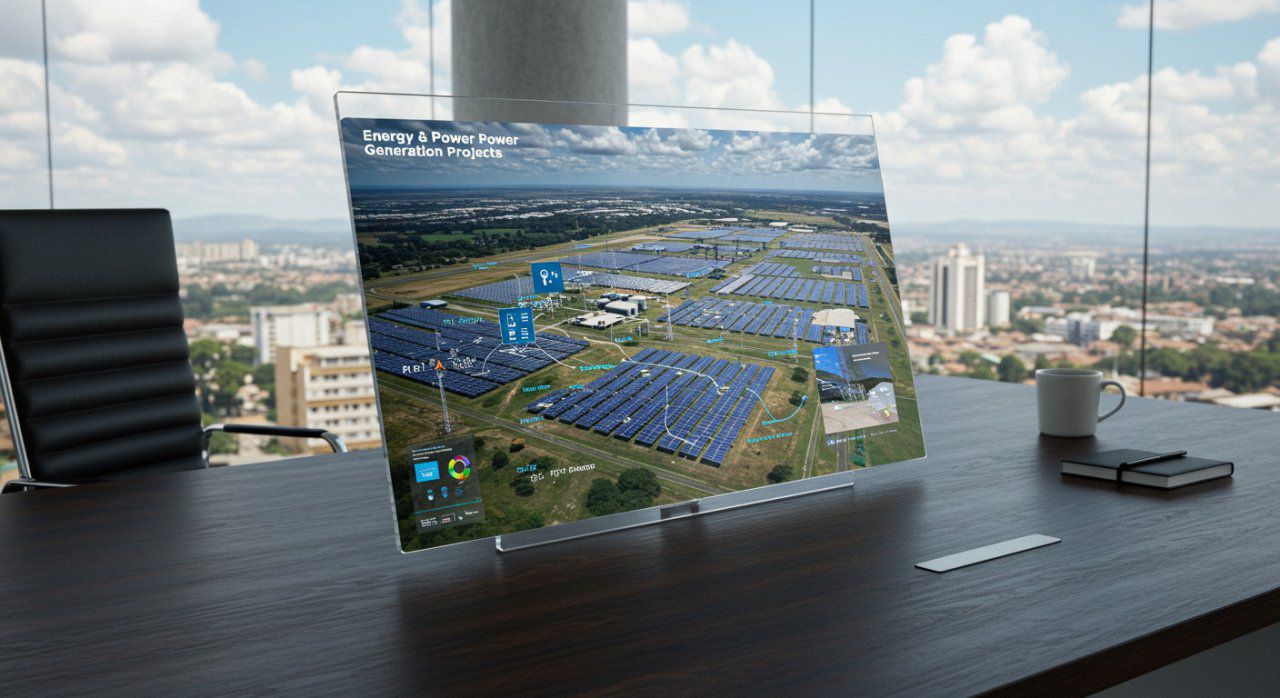
Nairobi's solar energy landscape is expanding rapidly, driven by the demand for clean and reliable power. To ensure the success and profitability of these ventures, meticulous solar power project performance modeling is essential. This involves using sophisticated tools and data to predict how a solar power plant will operate under various conditions. Accurate modeling informs critical decisions, from site selection and system design to financial forecasting and operational strategies. Fortisure Consulting offers expert advisory services, helping developers and investors in Nairobi create robust performance models that maximize the potential of their solar investments in Kenya.
Understanding Solar Power Performance Modeling
Solar power project performance modeling is the process of simulating and predicting the energy output and financial returns of a solar installation. It takes into account numerous variables, including solar irradiance, temperature, shading, system design (panel type, inverter efficiency, tilt, and azimuth angles), and potential system losses. Advanced software tools are used to create these models, often incorporating historical weather data and geographical information specific to the project site in Nairobi. The primary goal is to provide a realistic estimate of the project's energy generation over its lifetime and its financial viability. A well-executed solar power project performance modeling is the bedrock of successful solar development.

Key Inputs and Methodologies for Modeling
Accurate performance modeling for solar power projects in Nairobi relies on several key inputs and robust methodologies. High-quality solar irradiance data, specific to the project location, is fundamental. This data captures the amount of sunlight available throughout the year. Site-specific factors like topography, potential shading from buildings or vegetation, and ambient temperature are also crucial. System specifications, including the type and efficiency of solar panels, inverters, and mounting structures, must be precisely defined. Methodologies often involve detailed calculations of energy conversion, system losses (e.g., due to soiling, degradation, or wiring resistance), and operational availability. Software like PVsyst, SAM, or custom-built models are commonly employed to integrate these factors.
Benefits of Accurate Performance Modeling

The advantages of precise solar power project performance modeling for projects in Nairobi are extensive. Firstly, it enables realistic financial forecasting. By accurately predicting energy generation, models help determine revenue streams, calculate return on investment (ROI), and secure financing. Secondly, it optimizes system design. Modeling allows engineers to compare different configurations of panels, inverters, and layouts to identify the most efficient and cost-effective solution for the specific site. Thirdly, it supports informed decision-making regarding site selection, ensuring the chosen location offers optimal solar resource and minimal shading. Finally, accurate models serve as a baseline for ongoing performance monitoring, allowing operators to quickly identify deviations and address issues promptly.
Addressing Uncertainty and Risk in Modeling
While performance modeling provides valuable insights, it's crucial to acknowledge and address inherent uncertainties and risks. Weather patterns can vary significantly year over year, impacting actual energy generation compared to model predictions. System components can degrade faster than anticipated, or unexpected operational issues may arise. Shading conditions can change over time due to new construction or vegetation growth. Robust modeling incorporates sensitivity analyses to assess the impact of these variables. Sensitivity analysis helps understand how changes in key inputs, like irradiance or component efficiency, affect the overall project output and financial returns. Fortisure Consulting helps incorporate risk mitigation strategies into the modeling process for Nairobi projects.
Fortisure Consulting's Role in Solar Modeling
Fortisure Consulting is a trusted partner for solar power project developers and investors in Nairobi seeking expert performance modeling services. We leverage our deep understanding of the Kenyan energy market and international best practices to deliver accurate and reliable models. Our team assists in selecting the appropriate modeling software and data sources. We conduct thorough analysis of site-specific conditions, system designs, and potential risks. Fortisure Consulting helps translate complex modeling outputs into clear, actionable insights for decision-making. Our goal is to ensure that every solar power project performance modeling exercise provides a solid foundation for successful project development and operation in Kenya.
The Evolution of Solar Performance Modeling
The field of solar power performance modeling is constantly evolving with technological advancements. We are seeing increased integration of artificial intelligence (AI) and machine learning (ML) to analyze vast datasets and improve prediction accuracy. Real-time weather data feeds and advanced satellite imagery are enhancing the precision of irradiance forecasting. Furthermore, the modeling of grid integration effects, battery storage performance, and hybrid systems (e.g., solar-plus-wind) is becoming more sophisticated. As solar technology matures, performance modeling will continue to be a critical tool for optimizing efficiency, maximizing returns, and ensuring the long-term success of solar power projects in Nairobi and globally.