
The Power of Data in Wind Energy
Kenya's commitment to renewable energy is driving significant growth in the wind sector. For projects in Nairobi and across the nation, maximizing efficiency and profitability is key. This is where wind energy data analytics becomes a game-changer. Modern wind farms generate vast amounts of data from turbines, weather stations, and grid connections. Analyzing this data effectively allows for unprecedented insights into performance, maintenance needs, and operational strategies. Fortisure Consulting, a leading infrastructure procurement advisory in Nairobi, understands the critical role of data. We help clients harness the power of advanced analytics to optimize their wind energy investments. Our expertise ensures your wind farms operate at peak performance, delivering sustainable energy and strong returns.
Understanding Wind Energy Data Analytics
Wind farms are complex systems that produce a continuous stream of data. This data originates from various sources, including turbine sensors (measuring blade speed, wind direction, power output, temperature, vibration), meteorological equipment (wind speed, air density, turbulence), and grid interface devices. Wind energy data analytics involves collecting, processing, and interpreting this information to identify trends, patterns, and anomalies. The goal is to gain actionable insights that improve operational efficiency, reduce costs, and enhance energy production. Advanced analytics use sophisticated algorithms and machine learning techniques to predict future performance, detect potential failures before they occur, and optimize turbine control strategies. Fortisure Consulting guides Nairobi-based developers in implementing robust data analytics frameworks for their wind energy projects, transforming raw data into strategic advantages.

Key Applications of Data Analytics in Wind Projects
The applications of wind energy data analytics are diverse and impactful. Predictive maintenance is a primary use case, where analytics identify subtle changes in turbine performance that indicate potential component failures. This allows for scheduled maintenance, preventing costly downtime and catastrophic damage. Performance monitoring and optimization involve analyzing real-time data to ensure turbines are operating at their maximum potential under varying wind conditions. This can include adjusting blade pitch or yaw angles. Resource assessment and forecasting benefit from historical and real-time data analysis to predict energy output more accurately, crucial for grid integration and financial planning. Anomaly detection helps identify unusual operational patterns that might signal equipment malfunction or external factors affecting performance. Fortisure Consulting helps clients in Nairobi leverage these applications to boost efficiency and profitability.
The Role of Data in Wind Farm Operations
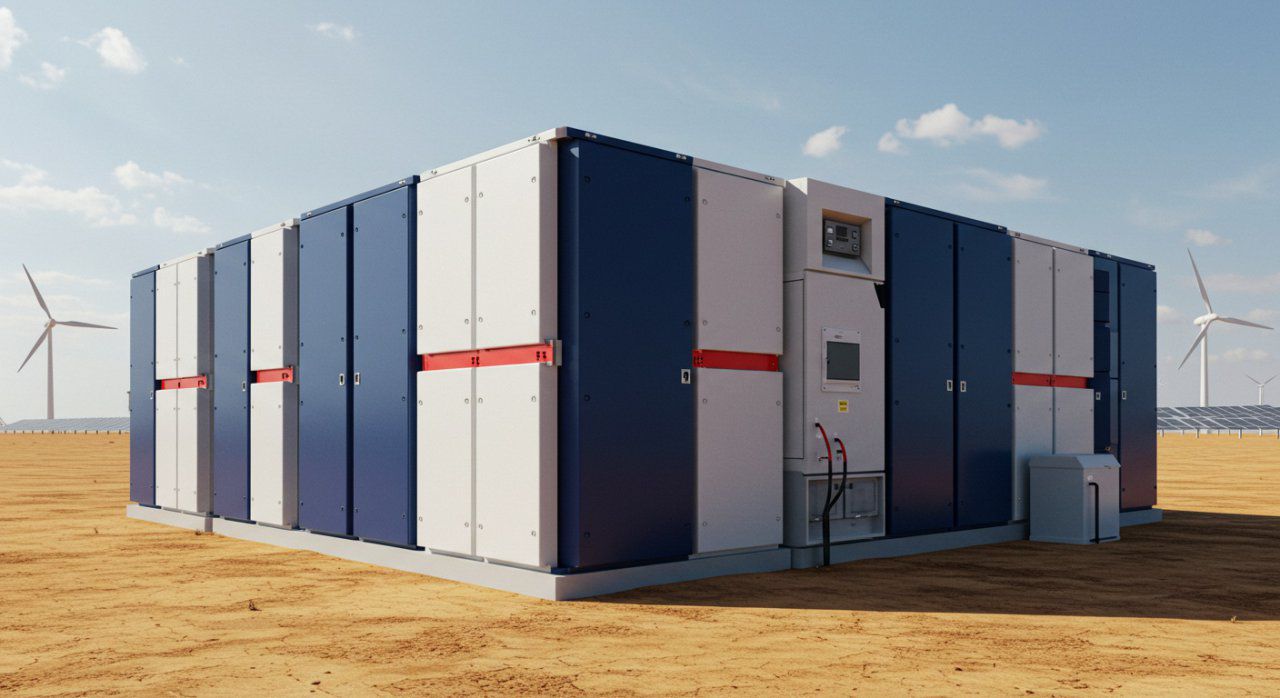
Effective data management is the backbone of modern wind farm operations. Without a structured approach to collecting and analyzing data, operators risk missing critical opportunities for improvement. Data quality is essential; clean, accurate data ensures reliable insights. Robust data infrastructure, including secure storage and processing capabilities, is necessary. The insights derived from data analytics inform strategic decisions across the entire project lifecycle. This includes site selection, turbine procurement, operational planning, and maintenance scheduling. Understanding the nuances of wind patterns and turbine behavior through data analysis leads to more predictable energy generation. This predictability is highly valued by grid operators and energy off-takers. Fortisure Consulting emphasizes the importance of a data-driven approach for wind energy projects in Kenya.
Fortisure Consulting: Your Partner in Data-Driven Wind Energy
Fortisure Consulting is dedicated to empowering infrastructure projects in Nairobi with cutting-edge advisory services. For the burgeoning wind energy sector in Kenya, we offer specialized expertise in leveraging wind energy data analytics. We assist clients in selecting appropriate data platforms and analytical tools. Our team helps develop strategies for data collection, integration, and interpretation. We guide you in translating complex data insights into tangible operational improvements and financial gains. Whether you are developing a new wind farm or optimizing an existing one, Fortisure Consulting provides the strategic support needed to succeed. We ensure your investment in wind energy is maximized through intelligent data utilization.
Improving Efficiency and Reducing Costs with Analytics
The economic benefits of applying advanced wind energy data analytics are substantial. By enabling predictive maintenance, companies can significantly reduce unscheduled downtime, which is often the most expensive type of interruption. This proactive approach lowers repair costs and prevents lost revenue from non-generation periods. Performance optimization ensures that each turbine generates the maximum possible energy from available wind resources. This directly increases the overall energy output of the farm. Furthermore, accurate energy production forecasting, facilitated by data analytics, improves grid integration and can lead to better pricing in energy markets. By identifying inefficiencies and optimizing operations, data analytics contribute directly to a higher return on investment for wind energy projects. Fortisure Consulting helps clients in Nairobi realize these crucial financial advantages.
The Future of Data Analytics in Wind Energy
The future of wind energy data analytics is increasingly sophisticated. Artificial intelligence (AI) and machine learning (ML) are becoming more integral, enabling more accurate predictions and autonomous operational adjustments. Digital twins – virtual replicas of wind turbines or entire farms – are being developed to simulate performance under various scenarios and test optimization strategies without impacting real-world operations. The integration of IoT (Internet of Things) devices will further enhance data collection capabilities, providing even richer datasets. Drones equipped with sensors will play a larger role in inspections and data gathering. As data analytics mature, they will enable greater grid integration of variable renewable sources like wind. Fortisure Consulting keeps Nairobi clients informed about these evolving trends, ensuring their projects remain at the forefront of technological advancement.