Advancing Wind Farm Management Through Digital Twins
Kenya's potential in wind energy is significant, and optimizing its operation is key to realizing this potential. Fortisure Consulting offers state-of-the-art **wind energy project digital twin** services in Nairobi. A digital twin creates a virtual, real-time replica of a wind turbine or an entire wind farm. This allows for unparalleled insights into performance, maintenance needs, and operational efficiency. By leveraging this technology, operators can minimize downtime, reduce costs, and maximize energy output. We are dedicated to helping Nairobi and Kenya harness the full power of their wind resources through advanced digital solutions. Our expertise ensures your wind energy projects are at the forefront of innovation.
Understanding the Wind Energy Digital Twin
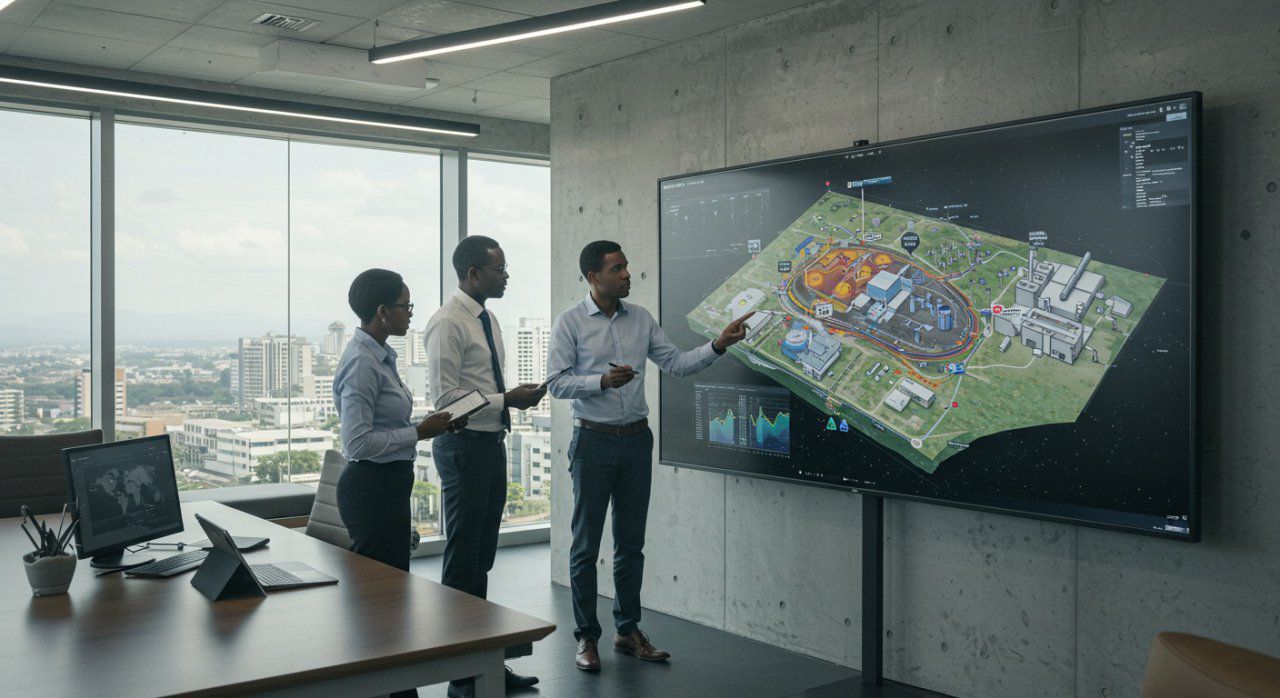
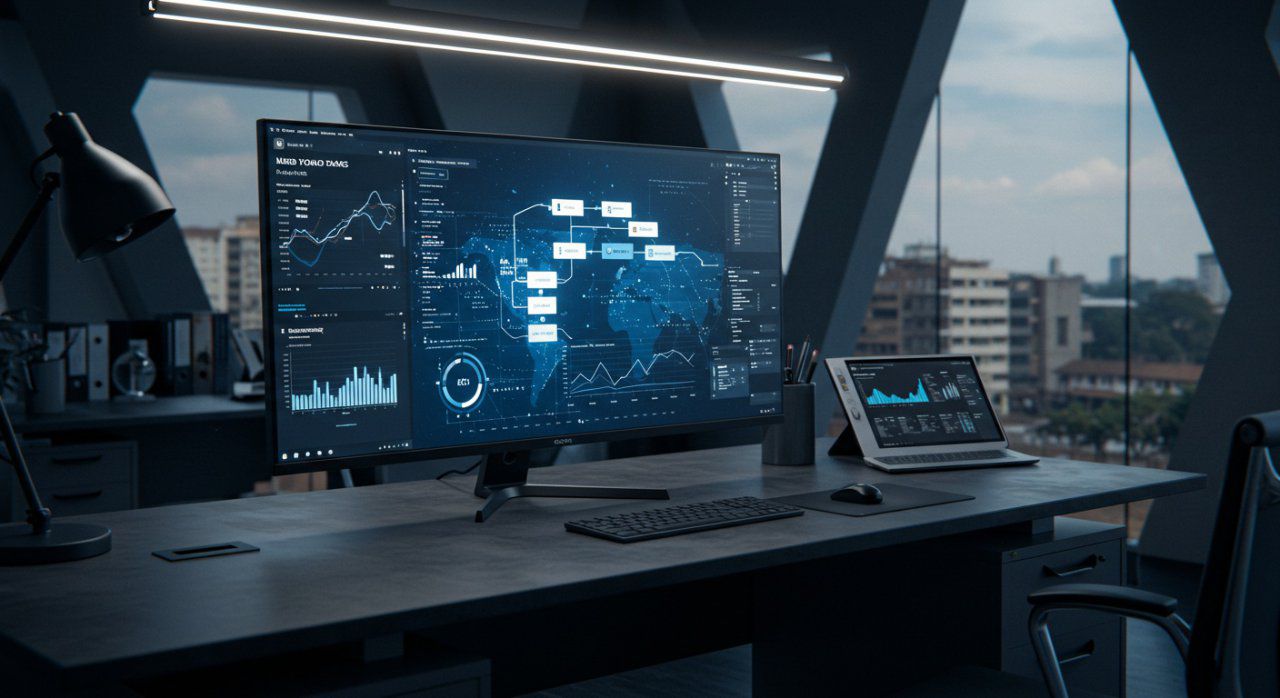
A **wind energy project digital twin** is a virtual model of a wind turbine or a complete wind farm. It is built using data from the physical asset, including sensors, operational logs, and environmental conditions. This digital replica is continuously updated with live data. This provides an accurate, real-time view of the asset's status and performance. It serves as a platform for various analytical and predictive functions. For wind farms in Nairobi, this means having a powerful tool to monitor individual turbines. It also allows for the optimization of the entire farm's output. The twin enables sophisticated analysis of complex operational dynamics.
Key Applications for Wind Farm Operations
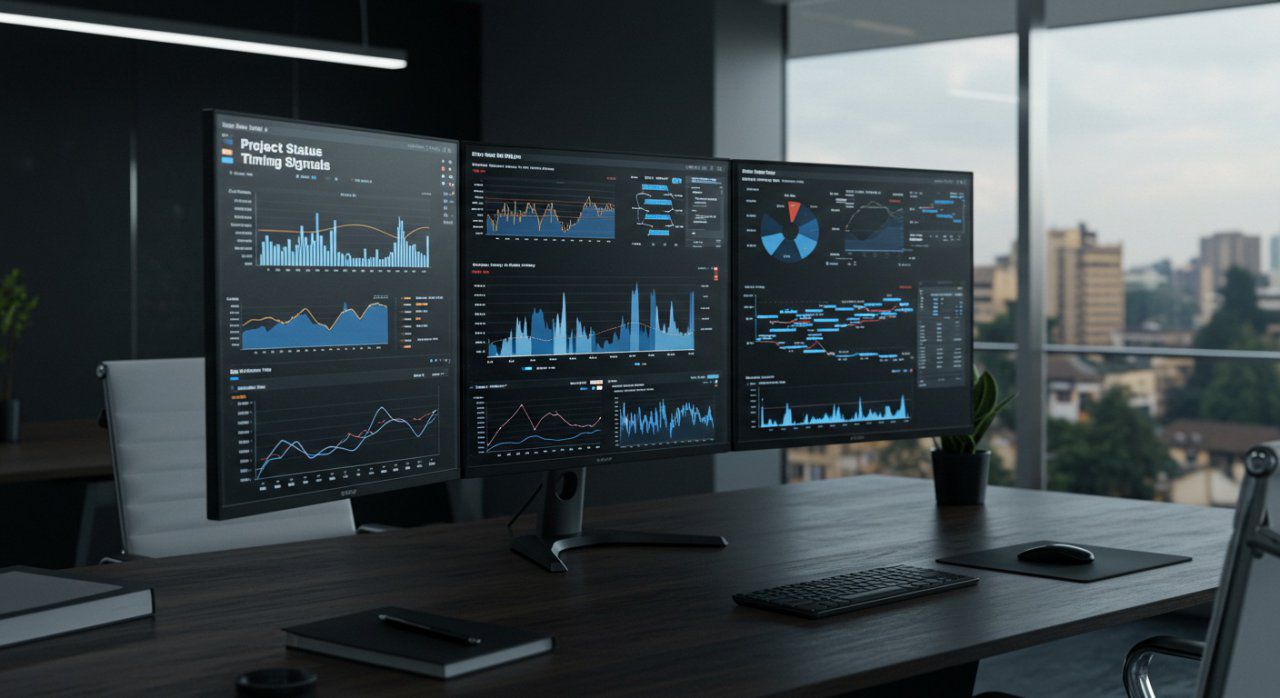
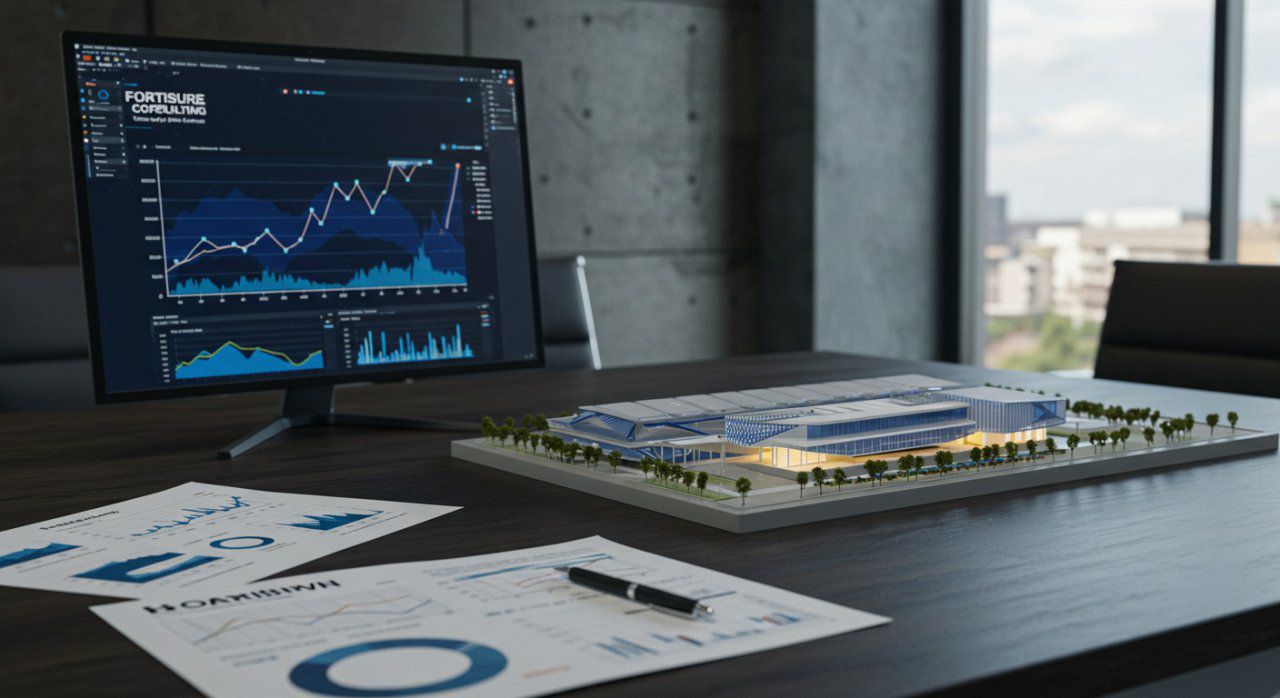
The applications of a **wind energy project digital twin** for operations are extensive. Predictive maintenance is a major benefit. By analyzing vibration, temperature, and performance data, potential component failures can be detected early. This allows for scheduled maintenance, preventing costly breakdowns and extending component life. Performance optimization is another critical function. The twin can simulate different control strategies and pitch adjustments. This helps maximize energy capture under varying wind conditions. It also aids in identifying underperforming turbines within a farm. Furthermore, the digital twin can be used for remote monitoring and diagnostics. This reduces the need for on-site inspections, saving time and resources.
Benefits for Wind Energy Projects in Nairobi
Implementing a digital twin strategy brings numerous advantages to wind energy projects in Nairobi. Increased uptime and reduced downtime are primary benefits. Predictive maintenance minimizes unexpected failures. Enhanced energy production results from optimized performance tuning. Reduced operational and maintenance costs are achieved through efficient scheduling and remote diagnostics. Improved asset lifespan occurs due to proactive care and early detection of issues. Better forecasting of energy output aids grid integration. Safety is also enhanced as risky inspection tasks can be minimized. Fortisure Consulting guides clients in realizing these significant operational gains.
Fortisure Consulting's Digital Twin Advisory Services
Fortisure Consulting offers specialized expertise in developing and implementing **wind energy project digital twin** solutions for Nairobi's growing wind sector. Our consultants understand the nuances of wind turbine technology and data analytics. We help clients define their digital twin objectives. We assist in selecting the right technology platforms and data integration strategies. Our services cover the entire lifecycle, from initial concept to ongoing optimization. We ensure the digital twin delivers actionable insights. This empowers operators to make informed decisions. Our goal is to enhance the efficiency and profitability of wind energy operations in Kenya.
Overcoming Challenges in Digital Twin Implementation
Challenges in adopting digital twin technology for wind energy projects include the significant initial investment. Data quality and availability can also be an issue. Ensuring seamless integration with existing SCADA systems and IT infrastructure requires expertise. Cybersecurity is a critical concern for connected assets. Developing the internal capacity to manage and leverage the digital twin effectively is also important. Fortisure Consulting provides strategic guidance to overcome these obstacles. We help develop phased implementation plans. We advise on data governance and cybersecurity best practices. Our approach ensures a successful and value-driven **wind energy project digital twin** deployment.
The Future of Wind Power in Kenya
The future of wind power in Nairobi and Kenya looks promising, with digital twins playing a crucial role. As more wind farms are developed, optimizing their operational performance will be paramount. Digital twins provide the necessary tools for advanced monitoring, control, and maintenance. This will lead to more reliable and cost-effective wind energy production. Fortisure Consulting is committed to supporting this advancement. We help energy companies in Kenya embrace digital innovation. This ensures the wind sector contributes significantly to the nation's sustainable energy goals.