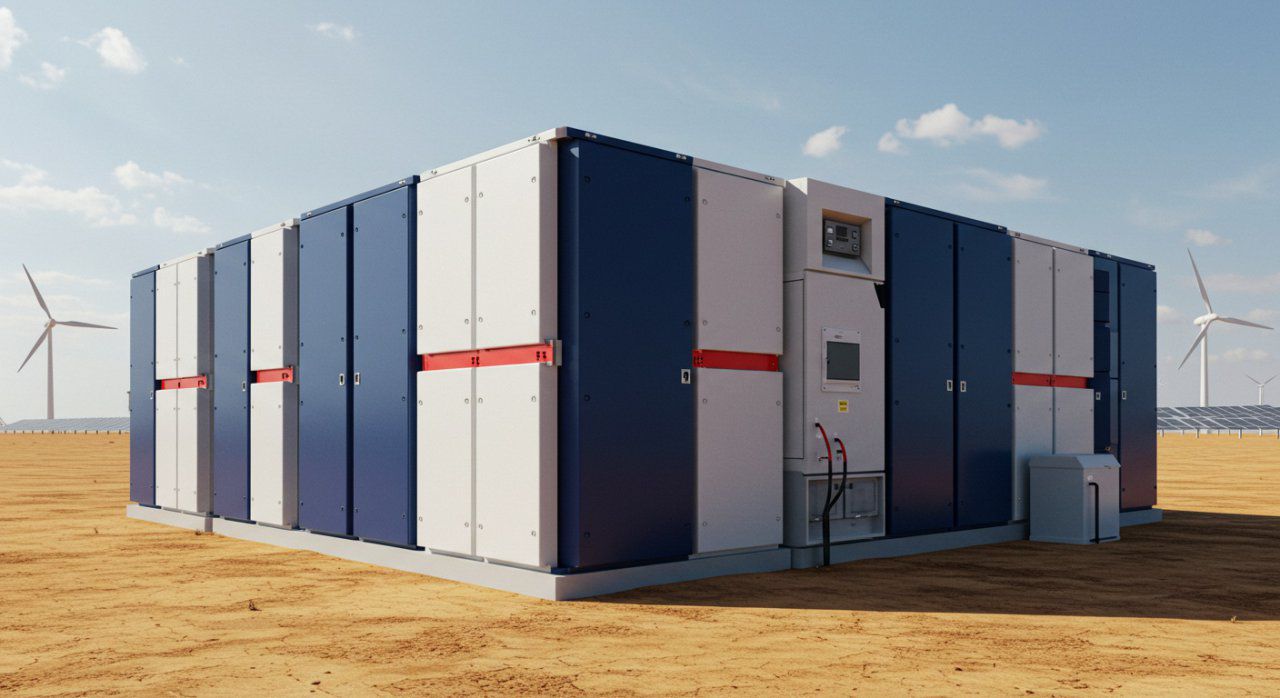

The Importance of Structural Integrity in Wind Farms
Nairobi is embracing renewable energy, with wind power being a key component. A successful wind energy project structural health is paramount for its long-term success and safety. Wind turbines operate under immense stress from constant rotation and varying weather conditions. Failures can be catastrophic, leading to costly repairs, downtime, and safety risks. Fortisure Consulting provides expert advisory services in Kenya to ensure robust structural integrity. We focus on proactive monitoring and maintenance strategies. Our goal is to safeguard your investment and maximize operational uptime. Understanding and managing wind energy project structural health is critical for sustained energy production and profitability in Nairobi.
Why Structural Health Monitoring is Crucial
Wind turbines are complex machines exposed to harsh environments. They face constant fatigue from aerodynamic forces, gravity, and turbulence. Over time, these stresses can lead to material degradation, cracks, and component wear. Without proper monitoring, these issues can escalate undetected. This can result in sudden failures, posing significant safety hazards. Structural health monitoring (SHM) systems provide early warnings. They detect subtle changes that indicate potential problems. This allows for timely interventions, preventing minor issues from becoming major failures. Proactive maintenance based on SHM data is more cost-effective than reactive repairs. It minimizes unexpected downtime, ensuring consistent energy generation. Ensuring the wind energy project structural health protects not only the turbine but also the surrounding environment and personnel. Fortisure Consulting helps clients in Nairobi implement comprehensive SHM programs.

Key Components Monitored in Wind Turbines
Several critical components of a wind turbine require diligent structural health monitoring. The tower is the primary support structure. Its integrity is vital, especially in seismic zones or areas prone to high winds. Monitoring for cracks, corrosion, and foundation stability is essential. The rotor blades are another critical area. They are subjected to extreme aerodynamic loads and fatigue. Detecting cracks, delamination, erosion, and lightning damage is crucial for preventing catastrophic failure. The hub, which connects the blades to the drivetrain, also needs monitoring for stress and fatigue. The drivetrain components, including the gearbox and generator, experience significant mechanical stress. Monitoring vibrations, temperatures, and lubricant quality can indicate wear and impending failure. Effective wind energy project structural health involves a holistic approach to all these components. Fortisure Consulting assesses the specific needs of your Nairobi wind farm.
Technologies for Structural Health Monitoring

A range of advanced technologies are employed for wind turbine SHM. Vibration analysis is a common technique. Sensors detect abnormal vibrations that can indicate wear or imbalance in rotating components like the gearbox. Acoustic emission monitoring detects crack initiation and propagation by listening for the stress waves they produce. Strain gauges measure the deformation of structural components under load. This helps assess fatigue accumulation. Fiber optic sensors offer distributed sensing capabilities along the tower or blades. They can detect temperature changes and strain with high precision. Non-destructive testing (NDT) methods, such as ultrasonic testing and X-ray inspection, are used for detailed component analysis. Remote sensing technologies, like drones equipped with cameras and thermal imagers, provide efficient visual inspections. These technologies collectively provide a comprehensive understanding of the turbine's condition.
Data Integration and Analysis for Predictive Maintenance
The effectiveness of SHM lies in the intelligent analysis of collected data. Modern SHM systems generate vast amounts of information. Integrating data from various sensors is crucial. This provides a holistic view of the turbine's condition. Advanced analytics, including machine learning and AI, are used to process this data. These algorithms can identify complex patterns and predict potential failures. Predictive maintenance strategies are developed based on these insights. Instead of scheduled maintenance, repairs are performed only when needed. This optimizes maintenance schedules, reduces costs, and minimizes downtime. Early detection of issues allows for planned interventions during periods of low wind or scheduled maintenance. This significantly enhances the overall efficiency and reliability of the wind energy project structural health. Fortisure Consulting helps clients in Nairobi leverage data for proactive asset management.
The Role of Fortisure Consulting in Nairobi
Fortisure Consulting offers specialized expertise in infrastructure procurement and asset management for energy projects in Nairobi. We understand the critical importance of maintaining the structural integrity of wind energy assets. Our services include advising on the selection and implementation of appropriate SHM technologies. We assist in developing data management and analysis strategies. Our team helps clients interpret SHM data to make informed decisions about maintenance and repairs. We ensure compliance with industry standards and best practices. By partnering with Fortisure Consulting, you can enhance the safety, reliability, and lifespan of your wind energy projects. We are committed to supporting Kenya's renewable energy goals. Ensuring optimal wind energy project structural health is a key part of our mission.
Benefits of Proactive Structural Health Management
Proactive management of wind energy project structural health yields substantial benefits. Enhanced safety for personnel and the public is the foremost advantage. Preventing catastrophic failures avoids potential accidents and injuries. Maximized energy production is another key benefit. Reduced downtime means more consistent electricity generation. Lower operational and maintenance costs result from efficient, targeted repairs. Predictive maintenance avoids costly emergency interventions. Extended asset lifespan increases the long-term return on investment. Improved reliability enhances the project's bankability and attractiveness to investors. Compliance with regulatory requirements is also ensured. Ultimately, robust structural health management supports the sustainable growth of wind energy in Nairobi and Kenya.