The Significance of EIAs for Solar Projects
Solar power is a rapidly growing energy source in Kenya, offering clean and sustainable electricity. However, even renewable energy projects require careful environmental scrutiny. A thorough solar power project environmental impact assessment (EIA) is crucial. It ensures that the development minimizes negative effects on the local environment and community. Fortisure Consulting provides expert EIA services in Nairobi, helping solar projects achieve both energy goals and environmental responsibility.
Understanding the Scope of Solar Project EIAs
A solar power project EIA examines potential impacts across various stages, from site selection and construction to operation and decommissioning. Key areas include land use changes, habitat disruption, water resource impacts (especially during panel cleaning), waste management (e.g., from faulty panels), visual impacts, and potential effects on local biodiversity. The assessment must also consider socio-economic factors, such as community engagement and local employment. A comprehensive solar power project environmental impact assessment lays the groundwork for sustainable development.

Key Environmental Considerations for Solar Farms
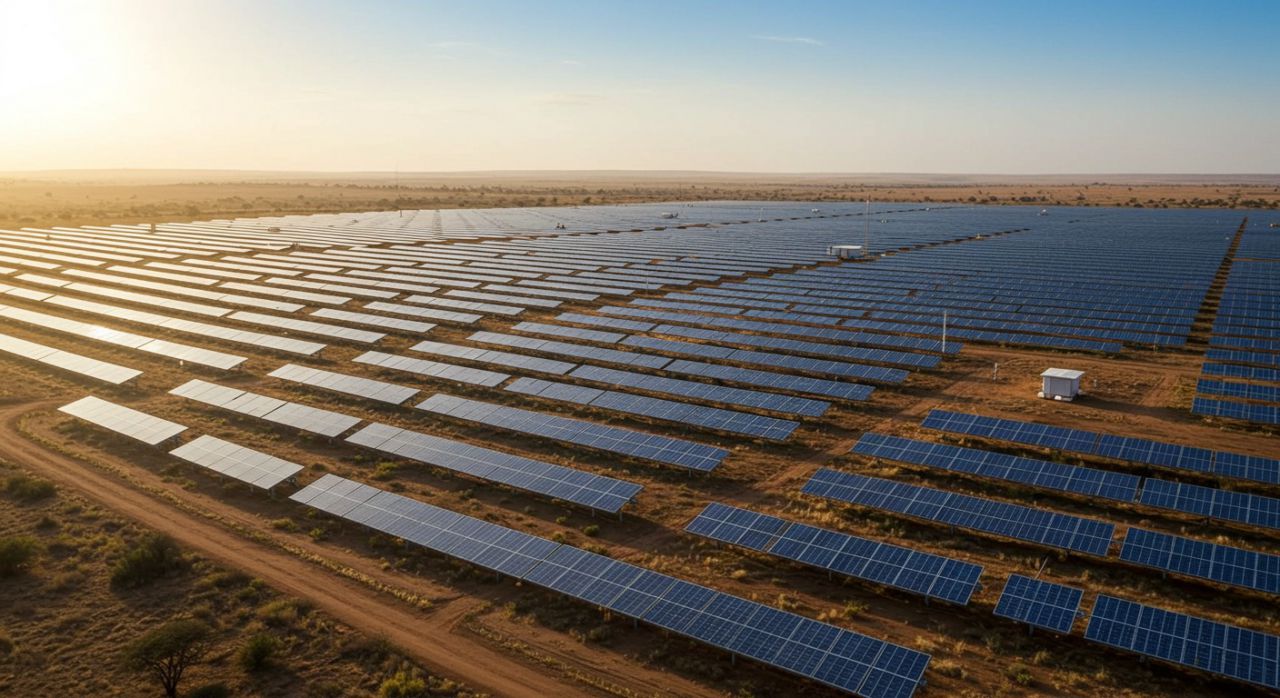
Large-scale solar farms can impact local ecosystems. Considerations include the potential displacement of wildlife, fragmentation of habitats, and the effects of construction activities on soil and water. Dust generation during construction and potential glare from panels are also assessed. Mitigation strategies might involve careful site selection to avoid sensitive areas, implementing dust suppression measures, using bird-friendly designs, and establishing buffer zones. Addressing these factors is a core part of the EIA process.
The Role of NEMA in Solar Project Approval

In Kenya, the National Environment Management Authority (NEMA) is the primary body responsible for overseeing EIAs. Developers must submit a detailed EIA report prepared by accredited experts. NEMA reviews the report, often seeking public input, before deciding whether to issue an Environmental Impact License (EIL). This license is a prerequisite for obtaining other project permits and commencing construction. Fortisure Consulting ensures that EIA reports meet NEMA's rigorous standards.
Socio-Economic Impacts and Community Engagement
Solar projects can bring significant socio-economic benefits, such as job creation and local economic development. However, potential negative impacts, like land acquisition disputes or changes to traditional land use, must also be addressed. Effective community engagement is vital throughout the EIA process. This involves consulting with local stakeholders, understanding their concerns, and incorporating their feedback into the project design and mitigation plans. A socially responsible approach is integral to a successful EIA.
Mitigation Measures and Monitoring Plans
A crucial outcome of the EIA is the development of specific mitigation measures to address identified environmental and social impacts. This might include plans for habitat restoration, waste recycling programs, water conservation strategies during operation, and community development initiatives. Furthermore, a robust environmental management and monitoring plan (EMMP) is required to ensure that mitigation measures are implemented effectively and that the project continues to operate sustainably throughout its lifespan.
Fortisure Consulting: Your Partner for Solar EIAs
Fortisure Consulting offers comprehensive expertise in conducting solar power project environmental impact assessment studies for clients in Nairobi and across Kenya. Our team is well-versed in NEMA's requirements and best practices for sustainable solar development. We help you navigate the complexities of the EIA process, ensuring your project is environmentally sound, socially acceptable, and compliant with all regulations, paving the way for successful solar energy deployment.