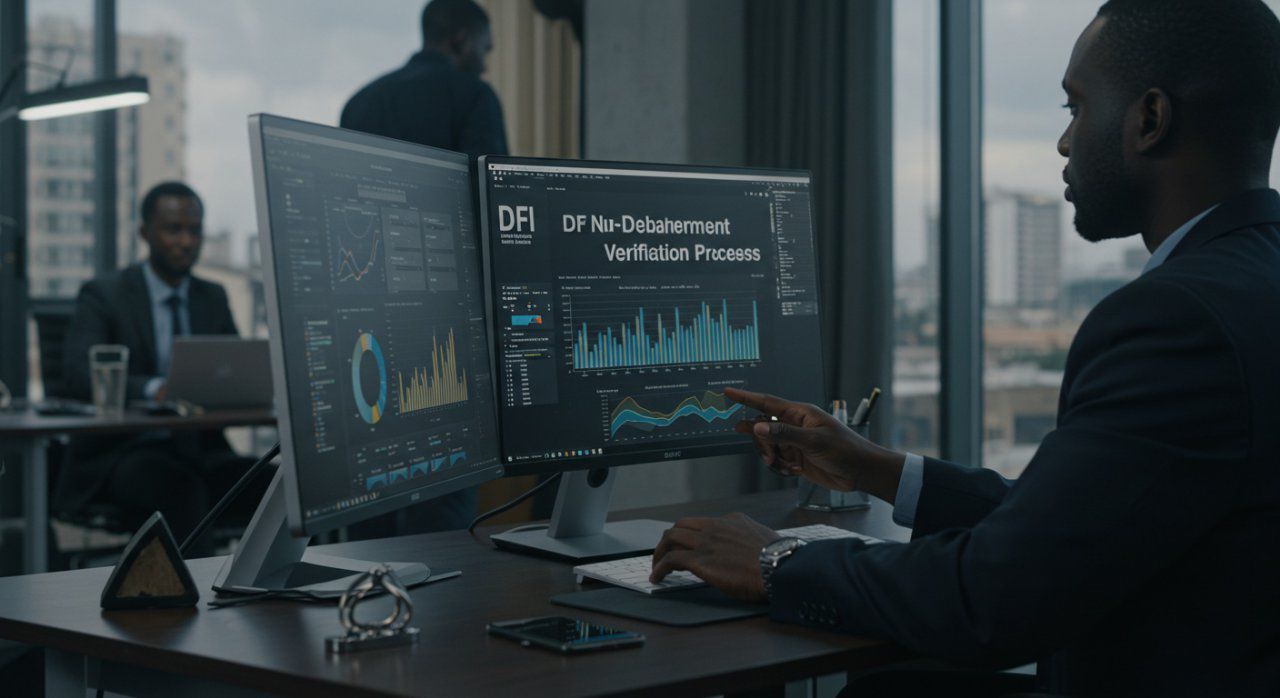

Navigating Regulations: Ensuring Ethical Operations in Kenya's Industrial Sector
Industrial enterprises in Nairobi, Kenya, operate within an increasingly complex regulatory environment. Successful and sustainable operations hinge on robust compliance program implementation. This ensures adherence to laws, regulations, industry standards, and ethical practices. Fortisure Consulting provides expert guidance to help businesses navigate these challenges effectively. Our tailored approach to compliance program implementation strengthens governance, mitigates risks, and builds a foundation of trust with stakeholders, ensuring long-term success in Kenya's vibrant industrial landscape.
The Imperative of Compliance Programs for Industrial Firms
For industrial enterprises in Nairobi, a well-structured compliance program implementation is not merely a legal obligation but a strategic imperative. It helps prevent costly penalties, legal actions, and reputational damage that can arise from non-compliance. Key areas often include environmental regulations, labor laws, health and safety standards, data privacy, and anti-corruption measures. A proactive compliance program demonstrates a commitment to ethical conduct and responsible business practices. This enhances the company's reputation among customers, investors, and regulators, fostering goodwill and operational stability. Fortisure Consulting assists businesses in Kenya to build compliance frameworks that are both effective and sustainable.

Steps in Developing and Implementing a Compliance Program
Successful compliance program implementation involves several key stages. Firstly, conducting a thorough risk assessment to identify specific compliance obligations and potential areas of vulnerability is crucial. Secondly, developing clear policies and procedures that align with legal requirements and company values is essential. Thirdly, establishing effective communication and training mechanisms to ensure all employees understand their compliance responsibilities is vital. Fourthly, implementing monitoring and auditing processes to assess the program's effectiveness and identify areas for improvement is necessary. Finally, creating a mechanism for reporting and addressing compliance issues, such as a whistleblower hotline, ensures ongoing vigilance. Fortisure Consulting guides clients through each of these critical steps.
Tailoring Compliance Programs to Specific Industries

Industrial enterprises vary significantly by sector, each facing unique regulatory landscapes. A 'one-size-fits-all' approach to compliance is rarely effective. Fortisure Consulting works with clients in Nairobi to develop customized compliance programs that address the specific risks and requirements of their industry. Whether it's manufacturing, construction, logistics, or another industrial sub-sector, our expertise ensures that the program is relevant, practical, and enforceable. We consider factors such as operational processes, supply chain complexities, and market-specific regulations in Kenya to create a truly bespoke solution.
The Role of Leadership and Culture in Compliance
Effective compliance program implementation requires strong leadership commitment and the cultivation of a compliance-oriented culture. Senior management must champion compliance efforts, setting the tone from the top and demonstrating that ethical conduct is a core organizational value. This involves allocating adequate resources, empowering compliance officers, and integrating compliance into performance management. When employees understand that compliance is prioritized and supported by leadership, they are more likely to adhere to policies and report concerns. Fortisure Consulting helps organizations in Kenya foster this culture of compliance through strategic guidance and training.
Monitoring, Auditing, and Continuous Improvement
A compliance program is not static; it requires ongoing monitoring and periodic review to remain effective. Regular internal and external audits help assess adherence to policies and identify any gaps or weaknesses in the program. Based on audit findings and evolving regulatory requirements, the program should be updated and improved. This commitment to continuous improvement ensures that the compliance framework remains relevant and robust. Fortisure Consulting assists industrial enterprises in Nairobi with developing effective monitoring and auditing strategies. We help translate findings into actionable improvements, ensuring sustained compliance and risk mitigation.
Partnering with Fortisure Consulting for Compliance Success
Fortisure Consulting is your trusted partner for successful compliance program implementation in Nairobi, Kenya. We bring extensive experience in navigating the complexities of regulatory requirements for industrial enterprises. Our team provides strategic advice, develops tailored programs, and supports ongoing monitoring to ensure your business operates ethically and efficiently. Let us help you build a strong compliance foundation that protects your organization and enhances its reputation in Kenya and beyond.