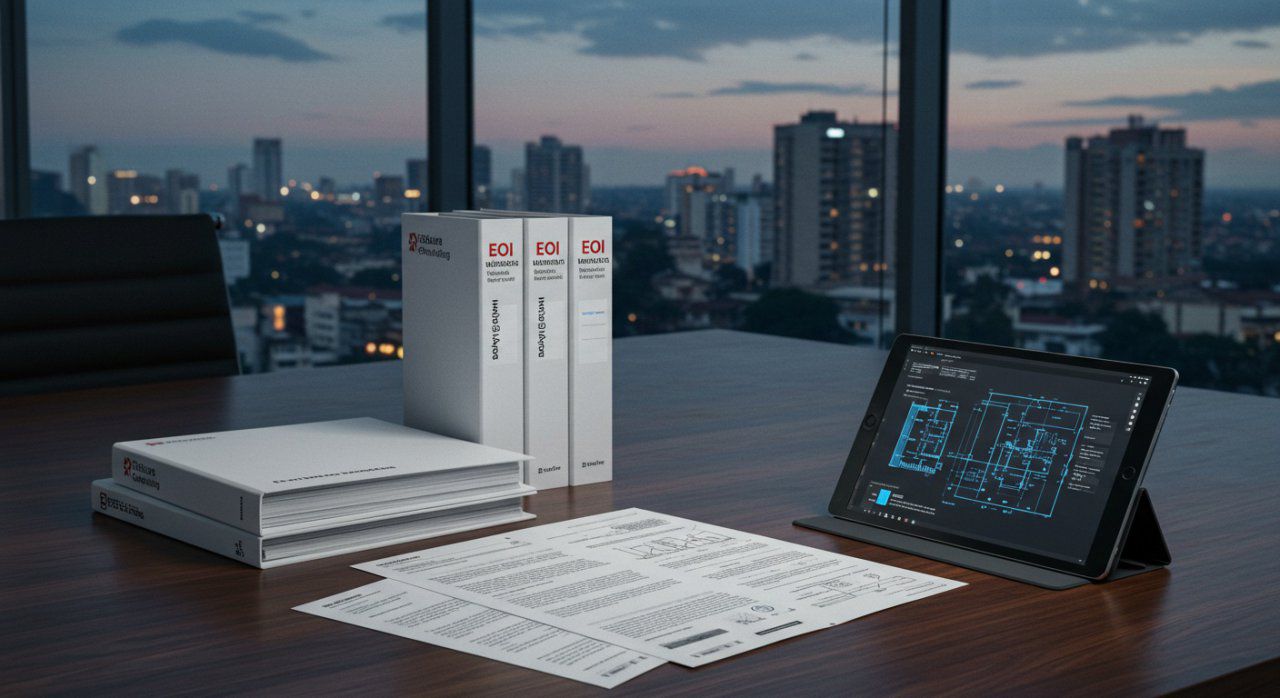
Upholding Integrity in Kenya's Manufacturing Landscape
Kenya's manufacturing sector is a vital engine for economic growth, creating jobs and driving innovation. Success in this competitive field requires not only efficiency but also a strong ethical foundation. Fortisure Consulting provides essential ethics program expert guidance manufacturing businesses need. Our Nairobi-based consultants help establish and strengthen ethical practices. We ensure compliance, mitigate risks, and foster a culture of integrity. Partner with us to build a trusted and sustainable manufacturing operation.
The Critical Role of Ethics in Manufacturing
Manufacturing companies face unique ethical considerations. These include supply chain transparency, product quality and safety, labor practices, and environmental responsibility. Issues like counterfeiting, unfair labor conditions, or environmental non-compliance can severely damage a business. Fortisure Consulting offers ethics program expert guidance manufacturing firms require to navigate these challenges. We help develop policies and procedures that promote ethical conduct throughout the value chain. This builds trust with customers, regulators, and employees.

Comprehensive Ethics Program Components
An effective ethics program for the manufacturing sector typically includes a clear code of conduct, comprehensive training, and robust reporting mechanisms. Key areas often covered are workplace safety, fair wages, anti-bribery policies, and environmental stewardship. Fortisure Consulting assists in designing and implementing these components. We tailor solutions to the specific needs of your manufacturing operations in Nairobi. Our guidance ensures your program is practical, effective, and aligns with Kenyan laws.
Navigating Supply Chain Ethics

The global nature of manufacturing supply chains presents significant ethical risks. Ensuring fair labor practices, preventing the use of counterfeit components, and verifying supplier compliance are crucial. Fortisure Consulting provides expert guidance on establishing ethical supply chain management. We help develop due diligence processes and supplier codes of conduct. This ensures your entire supply network operates with integrity, protecting your brand reputation.
Ensuring Workplace Safety and Fair Labor Practices
A core aspect of manufacturing ethics involves protecting the well-being of employees. This includes maintaining safe working conditions and adhering to fair labor standards. Fortisure Consulting advises on developing and enforcing policies that meet or exceed legal requirements. Our expert guidance helps foster a positive work environment where employees feel valued and respected. This commitment to ethical labor practices is vital for employee morale and productivity.
Compliance with Environmental Regulations
Manufacturing processes can have significant environmental impacts. Adhering to environmental regulations is not only a legal requirement but also an ethical responsibility. Fortisure Consulting provides guidance on developing environmental management systems and ensuring compliance. We help manufacturing companies in Nairobi minimize their ecological footprint. This commitment to environmental stewardship enhances corporate reputation and contributes to sustainable development.
Partnering for Ethical Manufacturing Excellence
Fortisure Consulting is your dedicated partner for implementing robust ethics programs in the manufacturing sector. We offer ethics program expert guidance manufacturing businesses need to thrive ethically. Our Nairobi-based team provides practical, tailored solutions. Let us help your company build a reputation for integrity, compliance, and responsible operations, securing long-term success.