The Importance of Monitoring and Evaluation in EAs
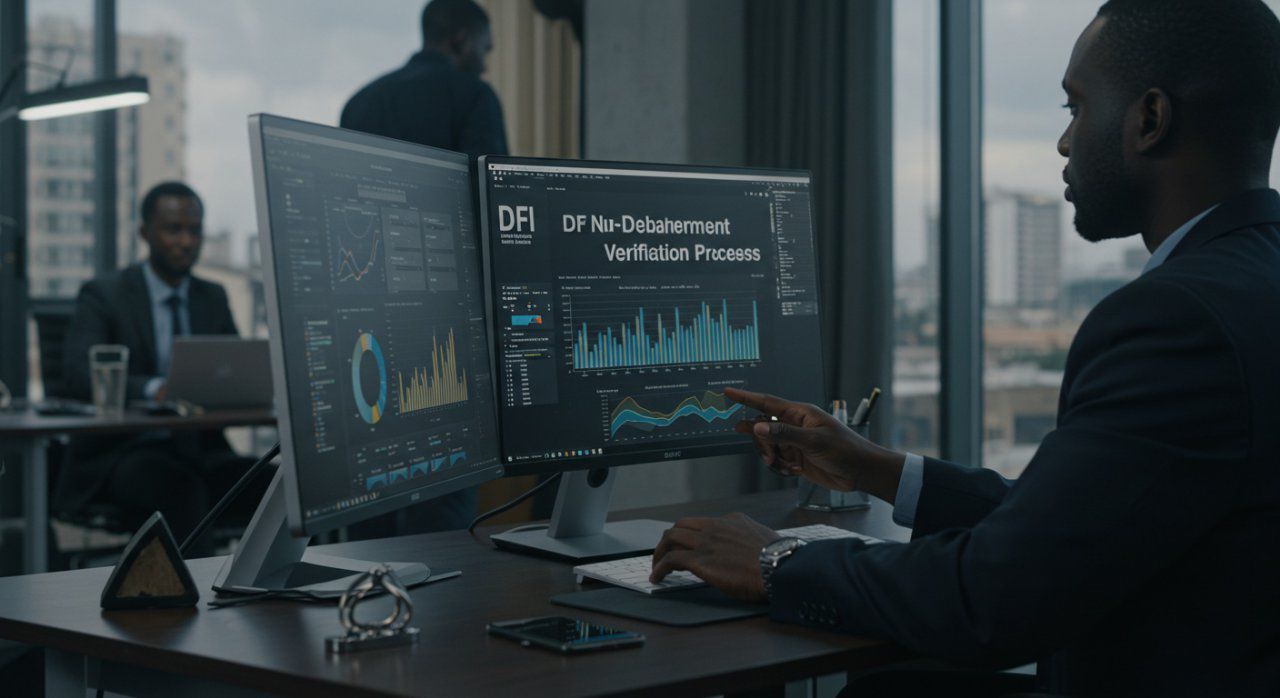
Effective industrial EA monitoring and evaluation is a critical phase that ensures Environmental Assessments (EAs) achieve their intended outcomes. In Nairobi, Kenya, where industrial development is rapidly advancing, robust M&E systems are essential for verifying compliance with environmental regulations and the effectiveness of mitigation measures. Fortisure Consulting provides specialized services to track project impacts, assess performance, and adapt strategies as needed. Our expertise helps industries in Nairobi maintain environmental integrity and achieve sustainable development goals throughout the project lifecycle. We ensure accountability and continuous improvement in environmental management practices.
Why Industrial EA Monitoring is Crucial
Once an industrial project in Nairobi receives EA approval, the work is far from over. Ongoing industrial EA monitoring and evaluation are vital to ensure that the predicted environmental impacts are managed effectively. This involves systematically tracking key environmental parameters, such as air and water quality, noise levels, and biodiversity. Monitoring verifies that mitigation measures are implemented as planned and are achieving the desired results. It also allows for the early detection of unforeseen impacts or non-compliance issues. Fortisure Consulting assists businesses in establishing comprehensive monitoring programs. We ensure that these programs meet the requirements of Kenyan authorities and provide valuable data for adaptive management.

Components of an Effective M&E System
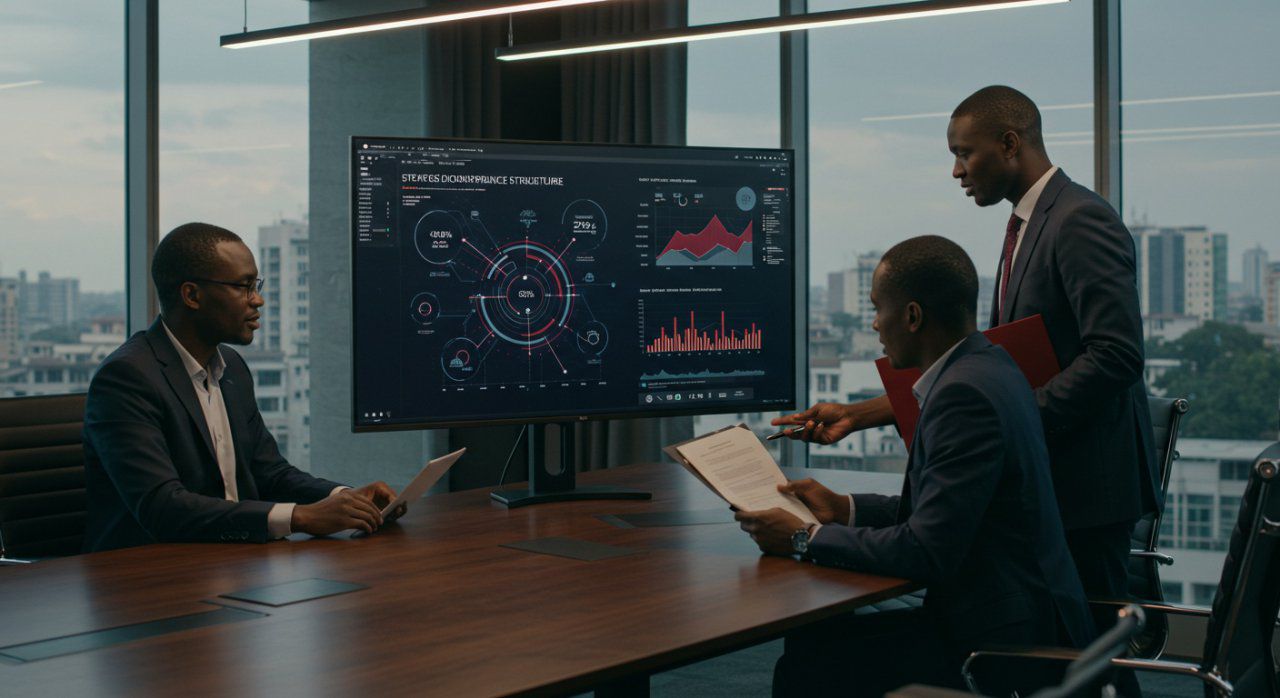
A robust industrial EA monitoring and evaluation system typically includes several key components. Firstly, establishing clear objectives and measurable indicators for monitoring is essential. This defines what needs to be tracked and how success will be measured. Secondly, developing a detailed monitoring plan outlining methodologies, frequency, locations, and responsibilities is critical. Thirdly, systematic data collection, management, and analysis are required. Fourthly, regular reporting to regulatory bodies, project management, and stakeholders is necessary for transparency. Finally, an evaluation component assesses the overall effectiveness of the EA and mitigation measures, informing future decisions. Fortisure Consulting designs and implements integrated M&E systems tailored to Nairobi's industrial context.
The Role of Evaluation in Adaptive Management

Evaluation transforms monitoring data into actionable insights. Through regular industrial EA monitoring and evaluation, projects can identify trends and assess the long-term effectiveness of environmental management strategies. If monitoring reveals that mitigation measures are not performing as expected, or if new environmental issues arise, evaluation helps determine the necessary adjustments. This principle of adaptive management is crucial for sustainable development in Nairobi. Fortisure Consulting facilitates these evaluation processes. We help clients understand the implications of their monitoring data and develop evidence-based strategies to enhance environmental performance and ensure ongoing compliance with Kenyan regulations.
Compliance Assurance and Reporting
Ensuring compliance with EA conditions and regulatory requirements is a primary function of monitoring. Fortisure Consulting supports companies in Nairobi by developing robust compliance assurance frameworks. We help prepare accurate and timely monitoring reports for submission to NEMA and other relevant authorities. Our services ensure that all reporting obligations are met consistently, reducing the risk of penalties or operational disruptions. Clear and transparent reporting builds trust with regulators and stakeholders, demonstrating a commitment to environmental responsibility. Effective industrial EA monitoring and evaluation is key to maintaining a strong compliance record in Kenya.
Fortisure Consulting's M&E Expertise in Nairobi
Fortisure Consulting offers leading expertise in industrial EA monitoring and evaluation for projects across Nairobi and Kenya. Our team understands the specific environmental challenges and regulatory expectations within the region. We provide comprehensive services, from designing monitoring plans to conducting field assessments and data analysis. We help clients build effective M&E systems that ensure accountability, drive continuous improvement, and support sustainable industrial growth. Partner with Fortisure to guarantee your project's environmental commitments are met effectively and transparently. Our dedication is to your project's long-term success and environmental stewardship.
Benefits of Proactive M&E
Implementing proactive industrial EA monitoring and evaluation offers substantial benefits. It ensures ongoing compliance with Kenyan environmental laws, avoiding legal repercussions. It verifies the effectiveness of mitigation measures, protecting the environment and local communities. It provides early warnings of potential problems, allowing for timely corrective actions. This enhances operational efficiency and reduces unforeseen costs. Furthermore, strong M&E practices improve corporate reputation and stakeholder confidence. Fortisure Consulting helps clients leverage these benefits, ensuring their industrial projects in Nairobi contribute positively to both economic development and environmental sustainability.