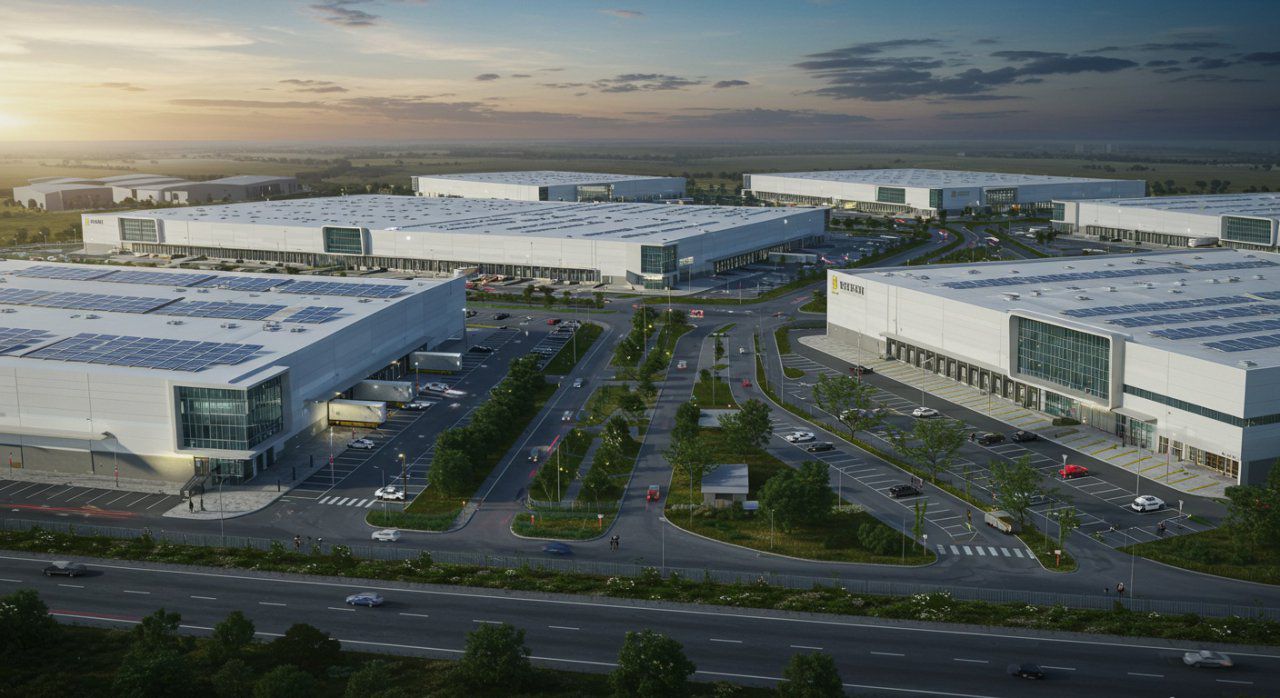
Upholding Integrity in Manufacturing
The manufacturing sector in Nairobi, Kenya, is vital for economic growth, but it also faces significant ethical and compliance challenges. Fortisure Consulting specializes in developing and implementing effective integrity framework solutions for manufacturers. Our services help instill a culture of honesty, transparency, and accountability throughout your operations. We assist in mitigating risks related to fraud, corruption, and non-compliance, thereby strengthening your business's reputation and sustainability. Partner with us to build a resilient and trustworthy manufacturing enterprise in Kenya.
The Importance of an Integrity Framework in Manufacturing
In the competitive manufacturing landscape of Nairobi, maintaining a strong integrity framework is not just about compliance; it's a strategic advantage. This framework encompasses policies, procedures, and a culture that promotes ethical conduct and prevents misconduct. For manufacturers, this is crucial for ensuring product quality and safety, maintaining supply chain integrity, fostering fair labor practices, and preventing corruption in procurement and sales. A robust framework builds trust with customers, regulators, and business partners, enhancing the company's reputation and long-term viability. Fortisure Consulting helps tailor these frameworks to the specific needs of the manufacturing sector.

Key Components of a Manufacturing Integrity Framework
A comprehensive integrity framework for the manufacturing sector typically includes several core elements. A clear code of conduct outlining ethical expectations is fundamental. Robust internal controls and procedures are needed to prevent fraud and errors in areas like production, finance, and inventory management. Whistleblower mechanisms provide safe channels for reporting concerns. Regular ethics training ensures employees understand their responsibilities. Additionally, due diligence processes for suppliers and partners help maintain ethical standards throughout the value chain. Fortisure Consulting assists in designing and implementing each of these critical components.
Addressing Sector-Specific Integrity Risks

Manufacturing operations in Nairobi present unique integrity risks. These can include issues related to product counterfeiting, substandard materials, workplace safety violations, environmental non-compliance, and bribery in securing contracts or permits. Fortisure Consulting works closely with manufacturers to identify these specific risks. We then develop targeted strategies and controls to address them effectively. Our approach ensures the integrity framework is practical, relevant, and directly tackles the challenges faced by the Kenyan manufacturing industry.
Building a Culture of Integrity
An effective integrity framework goes beyond policies and procedures; it requires fostering a deeply ingrained culture of integrity. This starts with strong leadership commitment, where ethical behavior is modeled and championed from the top. Open communication about ethical expectations and the importance of integrity is vital. Fortisure Consulting helps organizations promote this culture through awareness campaigns, training programs, and by embedding ethical considerations into performance management. A strong ethical culture supports compliance and enhances employee morale and loyalty.
Benefits of a Robust Integrity Framework
Implementing a well-designed integrity framework offers substantial benefits to manufacturers in Nairobi. It significantly reduces the risk of financial losses due to fraud or corruption. It enhances compliance with regulatory requirements, avoiding penalties and legal issues. Improved operational efficiency can result from streamlined, ethical processes. Furthermore, a strong reputation for integrity attracts customers, investors, and top talent. This builds a foundation for sustainable growth and competitive advantage in the Kenyan market.
Fortisure Consulting: Your Integrity Partner in Nairobi
Fortisure Consulting is your dedicated partner for developing and implementing effective integrity framework solutions for the manufacturing sector in Nairobi, Kenya. We possess the expertise and local understanding to help your organization build a robust ethical foundation. Our tailored approach ensures your framework addresses specific industry risks and promotes a culture of integrity. Partner with us to enhance your reputation, mitigate risks, and achieve sustainable success. Let Fortisure Consulting guide your manufacturing business toward ethical excellence.