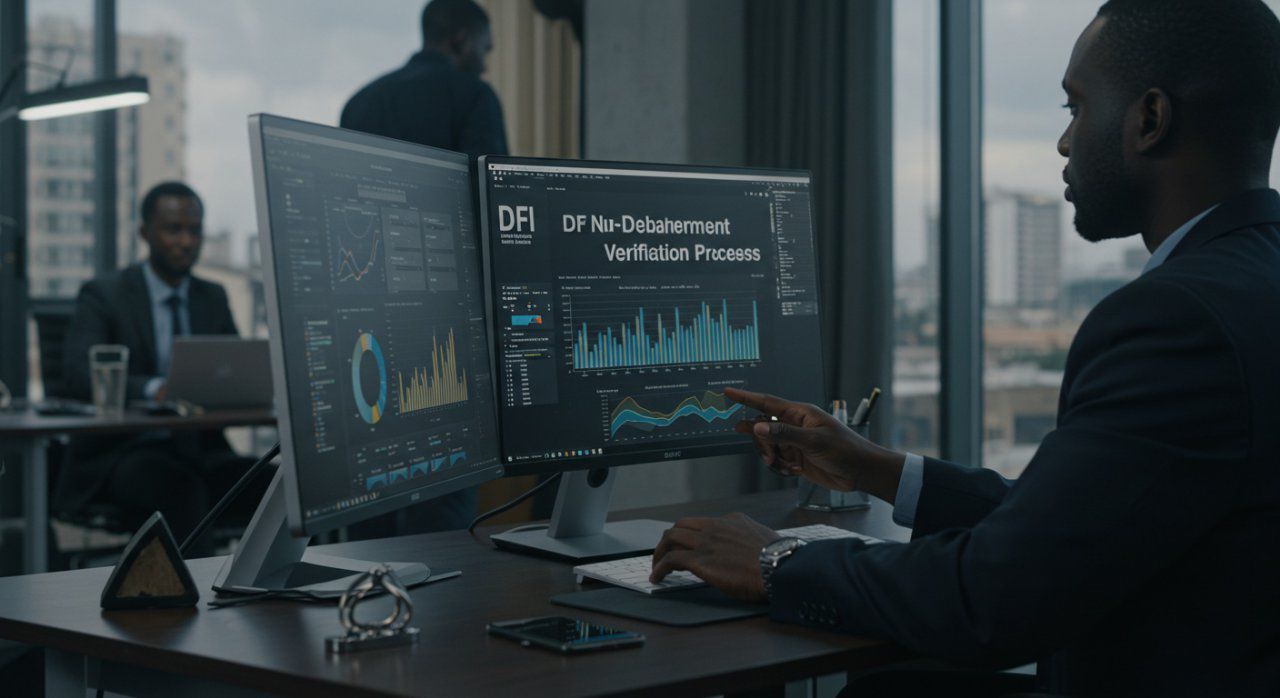
The Vital Need for Ethical Oversight in Sanitation
In the complex world of public utility infrastructure, maintaining high standards is essential. Sanitation utility ethical risk management is a specialized field that addresses the unique challenges faced by providers in Nairobi. Without proper oversight, sanitation utilities can easily fall victim to unethical practices that threaten project viability. At Fortisure Consulting, we provide comprehensive sanitation utility ethical risk management strategies to ensure your operations remain transparent. We understand the specific regulatory environment in Kenya and help you navigate it with ease. By proactively managing ethical risks, you protect your company from reputational harm and legal issues. Our team is dedicated to fostering a culture of integrity across all levels of your organization. Implementing sanitation utility ethical risk management is a proactive step toward long-term success. We help you identify vulnerabilities and implement robust controls that safeguard your assets and your reputation. Join us as we explore how to build a stronger, more ethical future for sanitation in Nairobi.
Identifying Risks in Sanitation Operations
The first step in effective sanitation utility ethical risk management is identifying where vulnerabilities exist. Sanitation utilities often deal with large procurement budgets and public-facing projects, creating multiple points of potential risk. We start by conducting a deep dive into your existing workflows. Our experts examine procurement processes, contractor relationships, and internal financial controls. By looking for patterns that could lead to ethical lapses, we help you close loopholes before they are exploited. This initial assessment is critical for establishing a baseline for improvement. We look at everything from supply chain transparency to staff conduct policies. Our goal is to provide a clear picture of your current risk profile. Once we understand these risks, we work with you to develop targeted solutions that fit your operational context. This systematic approach ensures that no stone is left unturned. We believe that being proactive about identifying risks is the hallmark of a responsible utility provider. By engaging in rigorous risk identification, you demonstrate a commitment to excellence that stakeholders in Nairobi will respect and support.

Developing Robust Ethical Frameworks
Once risks are identified, the next phase of sanitation utility ethical risk management is the development of a strong ethical framework. This involves creating clear policies that guide employee behavior and organizational decision-making. We help you draft comprehensive codes of conduct that are tailored to the realities of the sanitation sector. These frameworks serve as the foundation for your compliance efforts. We focus on creating policies that are easy to understand and enforce. Our consultants guide you in establishing clear reporting mechanisms, such as anonymous tip lines, which are vital for identifying issues early. We also emphasize the importance of leadership commitment. When management leads by example, it sets the tone for the entire organization. We work with your leadership team to ensure that these ethical values are woven into every aspect of your business. This framework is not just a document; it is a living system that supports your daily operations. By standardizing your approach to ethics, you create a consistent and reliable environment. This consistency is essential for maintaining the trust of regulators, partners, and the public as you operate your sanitation infrastructure throughout Nairobi.
Implementing Effective Compliance Controls

Compliance controls are the practical tools used to ensure your ethical framework is followed. Effective sanitation utility ethical risk management requires continuous monitoring and enforcement. We help you implement automated systems that flag suspicious procurement activities or financial irregularities. These tools act as a safeguard, ensuring that your team remains within the bounds of legal and ethical requirements. We also conduct periodic internal reviews to verify that your controls are functioning as intended. If we find gaps, we provide immediate recommendations for improvement. Our team supports you in training staff on how to use these systems effectively. We believe that technology combined with human oversight is the best approach to risk management. By automating repetitive tasks, you free up your team to focus on strategic initiatives. However, human judgment remains a critical component in complex decision-making. We help you strike the right balance between automation and manual review. This dual approach provides a high level of protection for your sanitation utility. With our support, you can be confident that your compliance controls are robust and capable of handling the challenges of the Kenyan market.
The Role of Transparency in Public Trust
Transparency is the most powerful tool for building and maintaining public trust. For a sanitation utility, being open about your processes is essential. We help you develop communication strategies that highlight your commitment to ethical management. By sharing your progress and successes, you demonstrate that your organization is accountable to the public. We advise on how to manage stakeholder communications during projects to ensure clarity and honesty. Transparency also extends to how you handle challenges. When issues arise, having a clear and honest communication strategy helps you maintain credibility. Our consultants help you create reports that are easy for the public and regulators to understand. This builds confidence that your projects are being managed with the highest level of integrity. In the competitive landscape of Nairobi, your reputation for transparency is a key differentiator. We work with you to ensure that your external image aligns with your internal reality. By fostering a culture of openness, you create a stronger bond with the community you serve. This trust is invaluable for securing project approvals and long-term support for your infrastructure initiatives.
Training for Ethical Decision-Making
Employees are the front line of any risk management strategy. We provide comprehensive training programs that focus on practical ethical decision-making. Our sessions are designed to help your team navigate complex situations where the right path might not be immediately obvious. We use real-world examples from the sanitation industry to make the training highly relevant. Our workshops cover topics such as handling conflicts of interest, reporting unethical behavior, and maintaining professional boundaries. We believe that training should be an ongoing process, not a one-time event. We offer refresher courses and updates on new ethical challenges. By investing in your people, you build a stronger, more resilient organization. Our trainers are experienced in adult learning techniques, ensuring that the sessions are engaging and informative. We also provide materials that employees can refer to in their day-to-day work. When your team is well-trained, they become a powerful force for ethical compliance. This investment in human capital pays dividends in the form of fewer errors, improved morale, and a stronger reputation for your utility. We are committed to helping you build a team that embodies the highest standards of integrity.
Continuous Improvement and Future Planning
The landscape of sanitation management is constantly changing, and your risk management strategy must evolve with it. We help you stay ahead of the curve by identifying emerging risks and planning for future challenges. Our consultants provide ongoing support to ensure that your sanitation utility ethical risk management remains effective over the long term. We help you set strategic goals for your ethical development and track your progress toward those goals. By focusing on continuous improvement, you ensure that your utility remains a leader in the industry. We assist in reviewing your strategies annually to ensure they align with new regulations and market trends in Nairobi. This future-oriented approach helps you anticipate problems before they occur. We also facilitate discussions about long-term sustainability and the role of ethics in your future business planning. Our partnership is built on the belief that ethics is a journey, not a destination. We are committed to supporting you every step of the way as you navigate the complexities of the sanitation sector. By working together, we can ensure that your utility continues to provide high-quality services while maintaining the highest standards of ethical conduct.