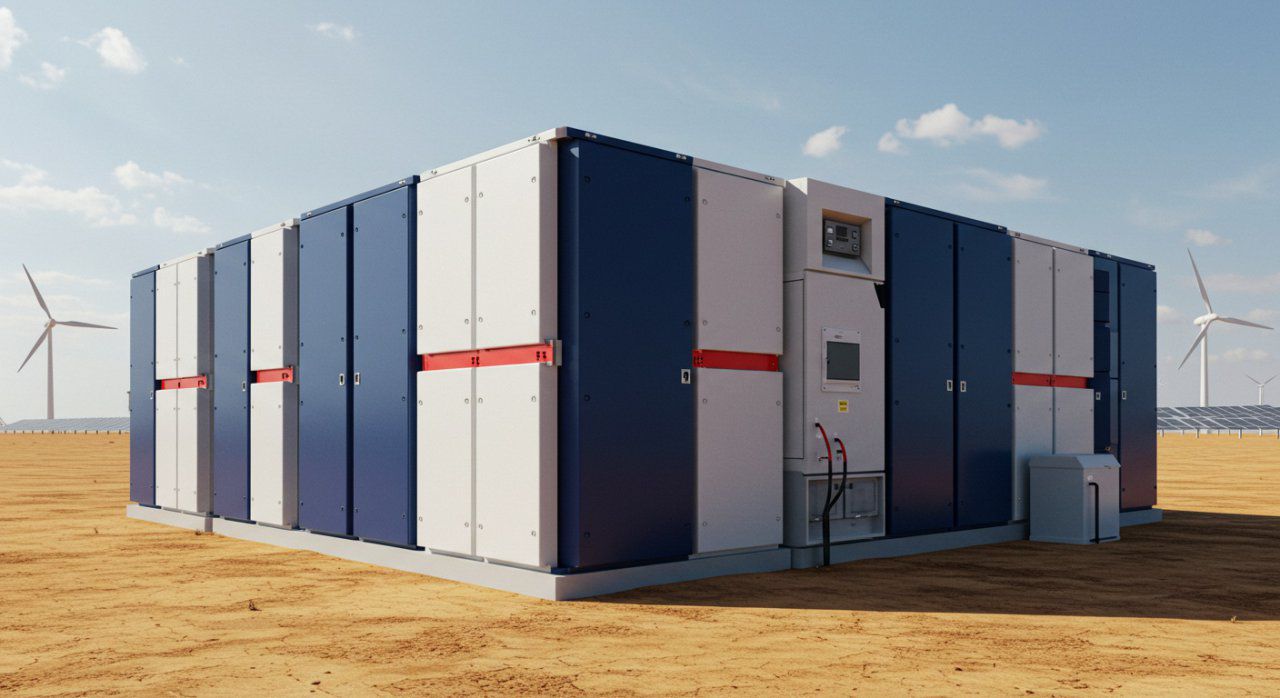
Understanding the Path to Energy Infrastructure Contracts
Securing a role in Nairobi's burgeoning energy sector requires a clear understanding of how to qualify for energy infrastructure contracts. These projects are vital for Kenya's development, offering significant opportunities. However, they come with stringent requirements. Fortisure Consulting, your premier infrastructure procurement advisory in Nairobi, Kenya, is here to demystify this complex landscape. We guide businesses through the essential steps needed to meet the demanding criteria of energy infrastructure projects. Successfully navigating these qualifications opens doors to lucrative and impactful ventures.
Essential Prerequisites for Energy Infrastructure Projects
Before even considering an application, understanding the fundamental prerequisites is crucial for anyone looking to qualify for energy infrastructure contracts. Government and private entities issuing these contracts seek partners with proven capabilities. This includes demonstrating robust financial stability. Lenders and project owners need assurance that your company can weather the financial demands of large-scale projects. This often involves presenting audited financial statements for several years, showcasing healthy cash flow and a manageable debt-to-equity ratio. Beyond finances, a strong track record is paramount. Companies must present evidence of successfully completed projects, ideally within the energy or infrastructure domain. This includes detailed project histories, client testimonials, and performance reports. Technical expertise is another cornerstone. Possessing the right certifications, skilled personnel, and specialized equipment directly impacts your ability to bid and perform. Demonstrating compliance with industry standards and regulatory requirements is non-negotiable. These foundational elements form the bedrock upon which your qualification will be built.

Building a Strong Company Profile for Bidding
To effectively qualify for energy infrastructure contracts, building a comprehensive and compelling company profile is essential. This profile serves as your primary introduction to potential clients and project stakeholders. It should meticulously detail your company's history, mission, and vision, aligning them with the goals of energy infrastructure development in Nairobi. Highlight your core competencies and areas of specialization. Showcase your organizational structure, clearly defining roles and responsibilities, especially for key project personnel. Include detailed biographies of your management team and technical experts, emphasizing their relevant experience and qualifications. Furthermore, a strong profile must articulate your commitment to quality, safety, and environmental standards. This involves presenting relevant certifications such as ISO 9001 for quality management, ISO 14001 for environmental management, and ISO 45001 for occupational health and safety. Documenting your health and safety protocols and demonstrating a proactive approach to risk management are critical. A well-crafted profile not only presents your capabilities but also instills confidence in your ability to deliver complex projects successfully.
Navigating Financial Requirements and Capacity

Financial capacity is often the most significant hurdle when seeking to qualify for energy infrastructure contracts. Project owners and financiers need absolute confidence in a contractor's ability to fund and execute projects without interruption. This typically involves demonstrating substantial liquid assets and available credit lines to cover initial project costs, operational expenses, and potential contingencies. Audited financial statements, usually covering the last three to five years, are standard requirements. These documents provide a clear picture of your company's profitability, solvency, and overall financial health. Beyond historical data, many clients require proof of bonding capacity. Performance bonds guarantee project completion, while bid bonds ensure that a winning bidder will sign the contract. Understanding the required bond amounts and securing them from reputable surety companies is a critical step. Fortisure Consulting assists clients in assessing their financial standing and preparing the necessary documentation to meet these rigorous demands, ensuring you are well-positioned for success.
Demonstrating Technical Expertise and Experience
Technical prowess and a proven history of successful project delivery are non-negotiable for those aiming to qualify for energy infrastructure contracts. Clients need assurance that you possess the specific skills and knowledge required for the project scope. This involves showcasing your company's technical capabilities, including the types of technologies you are proficient in, your engineering and design expertise, and your construction methodologies. Detailed project portfolios are essential. Each project listed should include its scope, duration, budget, client, and specific outcomes. Highlight projects similar in scale, complexity, and sector to the one you are bidding on. Case studies that detail challenges faced and solutions implemented can be particularly persuasive. Furthermore, emphasizing the qualifications of your key personnel is vital. Presenting resumes of project managers, lead engineers, and site supervisors, along with their relevant certifications and years of experience, demonstrates that you have the human capital to execute the project effectively. This robust presentation of technical strength builds credibility and trust.
Understanding Legal and Regulatory Compliance
Compliance with legal and regulatory frameworks is a fundamental aspect of qualifying for energy infrastructure contracts. Kenya, like many nations, has specific laws and regulations governing the energy sector and public procurement. Companies must demonstrate a thorough understanding of and adherence to these rules. This includes obtaining all necessary licenses and permits required to operate in Nairobi and the broader Kenyan market. For energy projects, specific environmental impact assessment (EIA) licenses, safety certifications, and adherence to national and international standards are often mandatory. Understanding local content requirements is also increasingly important. Many contracts stipulate minimum percentages of local labor, materials, and services that must be utilized. Failure to comply with these regulations can lead to disqualification. Fortisure Consulting provides expert guidance on navigating these complex legal and regulatory landscapes, ensuring your applications meet all compliance obligations and avoid potential pitfalls.
The Role of Fortisure Consulting in Your Qualification Journey
Embarking on the journey to qualify for energy infrastructure contracts can be daunting, especially within Nairobi's competitive market. Fortisure Consulting specializes in providing comprehensive infrastructure procurement advisory services. We help businesses like yours understand the intricate requirements for bidding on major projects. Our expertise covers financial capacity assessment, documentation preparation, and strategic positioning. We assist in showcasing your technical expertise and proven track record effectively. Crucially, we guide you through the complex legal and regulatory compliance landscape in Kenya. Our goal is to equip you with the knowledge and resources needed to successfully qualify for energy infrastructure contracts. We work closely with you to tailor your approach, ensuring your company stands out. Partner with Fortisure Consulting to enhance your chances of winning significant energy infrastructure projects.