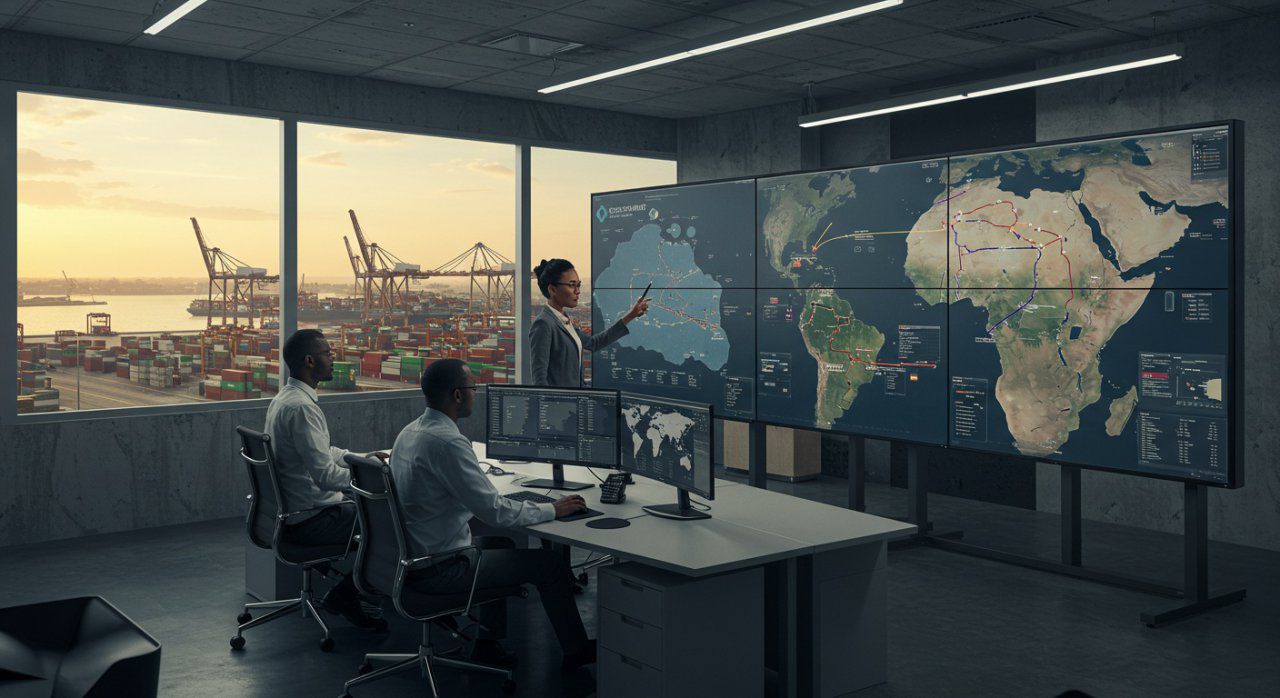

Nairobi's Gateway to Global Trade: Port Development
While Nairobi is inland, its role as Kenya's economic hub makes it intrinsically linked to the nation's maritime trade and port development strategies. Understanding the investment climate surrounding port-related infrastructure and logistics is crucial for businesses operating within or connected to Nairobi. Effective port development investment climate analysis provides critical insights into the economic, regulatory, and operational factors that drive success in maritime trade and logistics. For investors and businesses in Nairobi looking to leverage Kenya's coastal assets, a thorough analysis is indispensable for identifying opportunities and mitigating risks associated with port expansion and related infrastructure projects. Fortisure Consulting offers unparalleled expertise in this specialized field.
What is Port Development Investment Climate Analysis?
Port development investment climate analysis is a specialized assessment focusing on the conditions that influence investment in port infrastructure, operations, and related logistics. It examines the regulatory framework, government policies, and the political stability affecting maritime trade and port management in Kenya. The analysis evaluates economic factors such as cargo volumes (imports/exports), shipping trends, container throughput, and the potential for revenue generation through tariffs, fees, and value-added services. It also considers technical aspects like port capacity, dredging requirements, terminal efficiency, and connectivity to hinterland transport networks, including roads and railways serving Nairobi. Environmental and social impacts, land availability, and community relations are also critical components. The aim is to provide potential investors with a clear understanding of the opportunities, risks, and strategic considerations involved in port development projects. This rigorous port development investment climate analysis is fundamental for informed investment decisions.

Essential Elements of Port Investment Analysis
A comprehensive port development investment climate analysis typically includes several core components. Firstly, a detailed market and demand analysis assesses current and projected cargo volumes, trade patterns, and shipping line activities relevant to Kenya's ports. Secondly, the regulatory and policy review examines maritime laws, port governance structures, customs procedures, and government incentives or restrictions. Thirdly, the financial and economic assessment evaluates project costs, funding options, potential revenue streams, profitability metrics, and the broader economic impact on trade and employment. Fourthly, a thorough risk assessment identifies potential challenges, including geopolitical risks, environmental regulations, security concerns, competition, and operational inefficiencies. Finally, strategic recommendations are provided regarding project structuring, optimal location, technology adoption, and stakeholder engagement. This holistic approach ensures the port development investment climate analysis is robust and actionable.
Factors Influencing the Cost of Port Analysis Services

The cost of port development investment climate analysis services in Nairobi and its related maritime sector can vary widely. The scale and scope of the port project are primary cost drivers; analyzing a major container terminal expansion differs significantly from assessing a specialized bulk cargo facility or a logistics park. The depth of research required, including detailed maritime traffic forecasting, complex financial modeling, environmental impact studies, and stakeholder consultations across various government agencies, directly impacts costs. The experience and reputation of the consulting firm are also key; firms with specialized expertise in port economics, maritime logistics, and the Kenyan regulatory environment often command higher fees. Data availability and the necessity for primary data collection, such as site surveys or extensive market research, will add to the overall expense. The required timeline for delivering the analysis can also affect pricing, with expedited projects generally incurring premium charges.
Estimating Investment for Port Analysis in Nairobi Context
Estimating the precise investment for port development investment climate analysis requires a project-specific scope, considering its connection to Nairobi's economic activities. However, indicative cost ranges can provide a budgeting framework. For smaller projects, such as assessing a logistics hub near Nairobi or a specific terminal upgrade, costs might range from KES 1.2 million to KES 3.5 million. For medium-sized projects, like evaluating a new bulk cargo terminal or a significant expansion of container handling capacity, the investment could be between KES 3.5 million and KES 12 million. Large-scale, complex undertakings, such as a comprehensive study for a new deep-sea port or a major overhaul of national port logistics infrastructure serving Nairobi's hinterland, could require an investment exceeding KES 12 million, potentially reaching KES 40 million or more for highly integrated, multi-disciplinary analyses. These figures are estimates and depend heavily on the scope, methodology, and the consulting team's expertise. Obtaining detailed proposals is essential.
Why Choose Fortisure Consulting for Port Analysis?
Fortisure Consulting is a leading infrastructure procurement advisory firm in Nairobi, Kenya, offering expert port development investment climate analysis. While our base is in Nairobi, we understand the critical link between the capital's economy and Kenya's maritime trade infrastructure. Our team comprises seasoned professionals with deep knowledge of the maritime sector, logistics, and the Kenyan regulatory landscape. We are committed to providing clients with accurate, actionable insights that facilitate strategic decision-making and de-risk investments in port-related projects. Partnering with Fortisure Consulting means gaining a trusted advisor dedicated to maximizing the success and sustainability of your port development ventures.
The Enduring Value of Port Investment Analysis
The investment in a thorough port development investment climate analysis offers significant long-term value that far exceeds the initial outlay. A comprehensive analysis helps prevent costly mistakes, such as committing to projects with unfavorable market dynamics or facing insurmountable regulatory hurdles. It proactively identifies potential risks, allowing for the development of effective mitigation strategies and contingency plans, thereby minimizing the likelihood of project delays, cost overruns, and reputational damage. Furthermore, a detailed analysis can uncover opportunities for operational efficiencies, innovative financing structures, and strategic partnerships, leading to enhanced long-term profitability and economic impact. For investors, it provides the confidence required to commit capital, knowing that thorough due diligence has been conducted. For Kenya's trade sector, it ensures that port development aligns with national economic objectives and enhances the country's competitiveness in global trade. The insights from a quality port development investment climate analysis are invaluable.