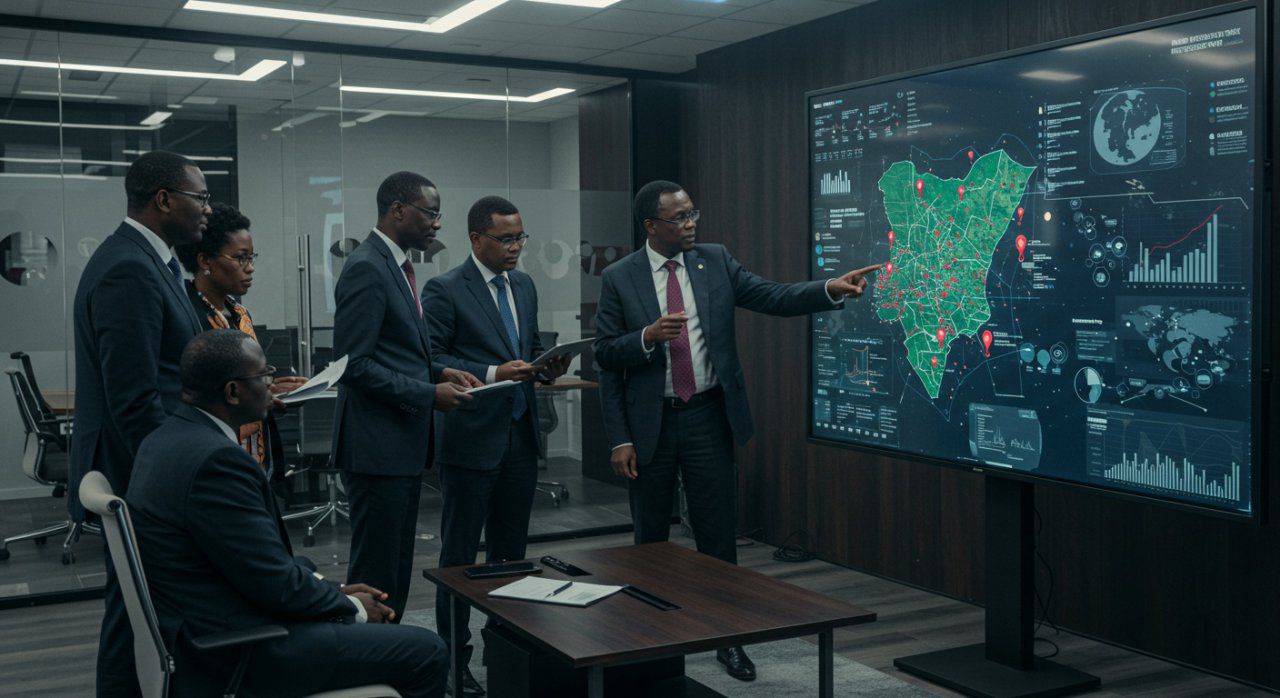
The Critical Role of Capital Frameworks in Nairobi's Transport Sector
Nairobi's rapid growth necessitates significant investment in its transportation infrastructure. Public-Private Partnerships (PPPs) are increasingly vital for delivering these large-scale projects. A well-defined capital framework for transportation infrastructure investment PPPs is the bedrock upon which these complex initiatives are built. It outlines how projects will be financed, structured, and managed financially, ensuring viability and attracting necessary investment. Fortisure Consulting, a leading Infrastructure Procurement Advisory in Nairobi, Kenya, specializes in developing these essential frameworks. We guide stakeholders in creating sustainable financial structures that foster successful project delivery and long-term value for the city.
Defining a Capital Framework for Infrastructure PPPs
A capital framework for infrastructure investment PPPs is a comprehensive financial blueprint. It details the sources and uses of funds, debt-equity structures, risk allocation related to financing, and financial performance metrics. For transportation projects in Nairobi, this framework must account for the long-term nature of these assets, potential revenue streams (e.g., tolls, user fees), and the involvement of multiple stakeholders. It guides decisions on project financing, ensuring that sufficient capital is available throughout the project lifecycle, from development and construction to operation and maintenance. A clear framework builds investor confidence and provides a roadmap for financial management, making it a cornerstone of successful PPPs.

Key Components of a Transportation Infrastructure Capital Framework
Several critical components must be included in a robust capital framework for transportation infrastructure investment PPPs. These include: 1. Funding Sources: Identifying potential sources like government budgets, private equity, debt financing from commercial banks and DFIs, and multilateral institutions. 2. Financial Structure: Determining the optimal mix of debt and equity, considering project risk and return requirements. 3. Financial Projections: Developing realistic forecasts for revenues, operating costs, and capital expenditures over the project's life. 4. Risk Allocation: Clearly defining how financial risks, such as construction cost overruns or revenue shortfalls, will be shared between the public and private partners. 5. Performance Metrics: Establishing key financial indicators (e.g., IRR, NPV, debt service coverage ratio) to measure project success and ensure financial sustainability. Fortisure Consulting meticulously analyzes these elements.
Challenges in Developing Capital Frameworks for Nairobi's Transport Sector

Developing an effective capital framework for Nairobi's transportation infrastructure PPPs faces several challenges. Market volatility and economic uncertainty can impact revenue projections and the cost of capital. The complexity of PPP structures often requires sophisticated financial modeling and risk assessment capabilities. Ensuring alignment between the public sector's objectives and the private sector's return expectations can be difficult. Furthermore, regulatory changes and political risks can affect long-term financial stability. Securing long-term financing commitments from lenders for projects spanning decades requires demonstrating robust project viability and strong government support. Fortisure Consulting addresses these complexities through expert analysis and strategic structuring.
Fortisure Consulting's Expertise in Capital Framework Development
Fortisure Consulting is a leading provider of advisory services for developing capital frameworks for transportation infrastructure investment PPPs in Nairobi. Our experienced team possesses deep knowledge of the Kenyan infrastructure landscape and global best practices in PPP financing. We work collaboratively with government agencies and private developers to design financial structures that are viable, sustainable, and attractive to investors. Our services include financial modeling, risk analysis, funding source identification, and negotiation support. We ensure that the capital framework for transportation infrastructure aligns with project goals and market realities, paving the way for successful project execution.
The Importance of Financial Viability and Sustainability
Financial viability and long-term sustainability are paramount for any transportation infrastructure investment PPP. A poorly structured capital framework can lead to financial distress, project delays, or even failure, impacting public services and investor confidence. A sustainable framework ensures that the project can meet its financial obligations throughout its operational life, providing reliable returns to investors while delivering essential transportation services to Nairobi's residents. This requires realistic revenue forecasting, prudent cost management, and appropriate risk allocation. Fortisure Consulting prioritizes these aspects, ensuring that the frameworks we develop are robust and resilient.
Enhancing Investment in Nairobi's Transportation Network
A well-defined capital framework is instrumental in attracting private investment into Nairobi's transportation network. It provides clarity and confidence to potential investors, signaling a well-managed and commercially sound project. By demonstrating a clear path to financial returns and outlining risk mitigation strategies, it encourages participation from both local and international financiers. This ultimately accelerates the development of critical infrastructure like roads, public transit systems, and logistics hubs, which are vital for Nairobi's economic competitiveness and the quality of life for its citizens. Fortisure Consulting plays a key role in realizing this potential.