Modernizing Nairobi's Transportation Networks
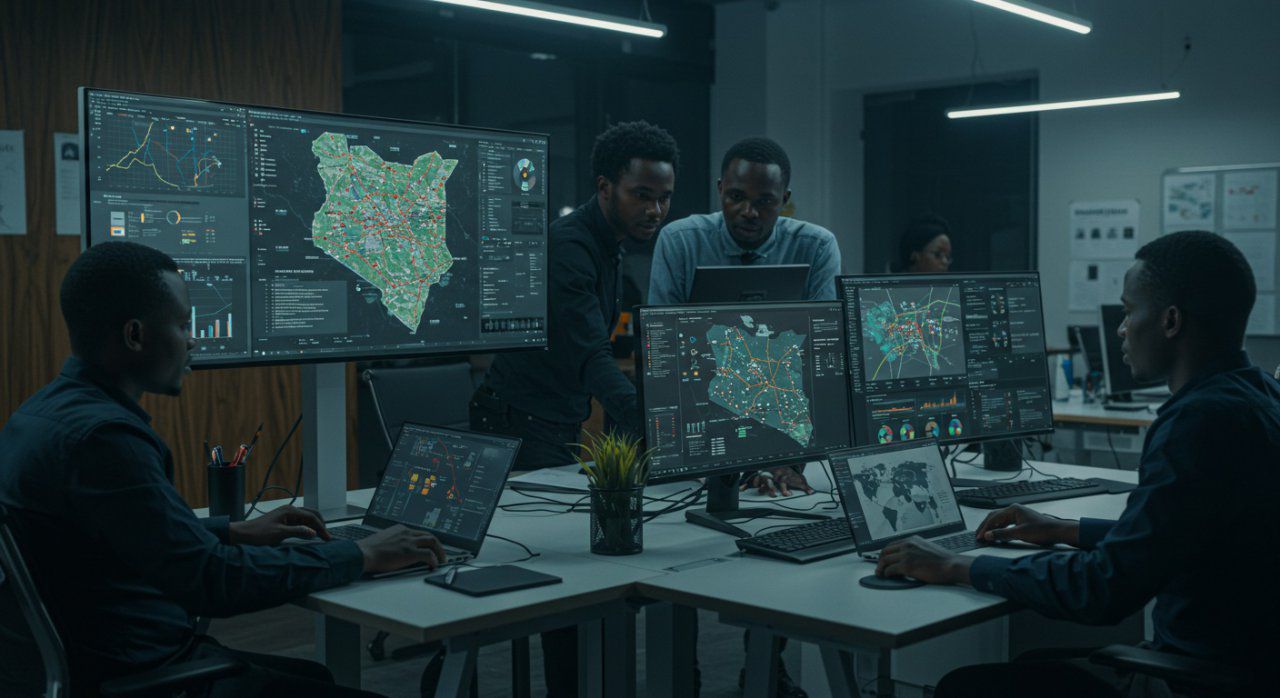
Nairobi's status as a regional hub necessitates continuous modernization of its transportation infrastructure. Upgrading roads, public transit, and logistics facilities is crucial for economic efficiency and urban mobility. A robust capital framework for transportation infrastructure modernization is essential to fund these vital upgrades. This framework guides how capital is sourced, allocated, and managed to ensure projects are completed effectively. Fortisure Consulting provides expert advisory services, helping Nairobi develop and implement a sustainable capital framework for transportation infrastructure to meet its growing demands.
Why Modernization Matters for Nairobi
As Nairobi grows, its existing transportation systems face increasing strain. Modernization efforts, such as expanding road networks, implementing intelligent traffic systems, upgrading railway lines, and enhancing public transport options, are vital. These improvements reduce congestion, lower logistics costs for businesses, improve air quality, and enhance the quality of life for residents. However, modernization requires significant and sustained investment. A clear capital framework for transportation infrastructure is the foundation for securing and deploying these funds effectively in Nairobi.
Understanding the Capital Framework Approach
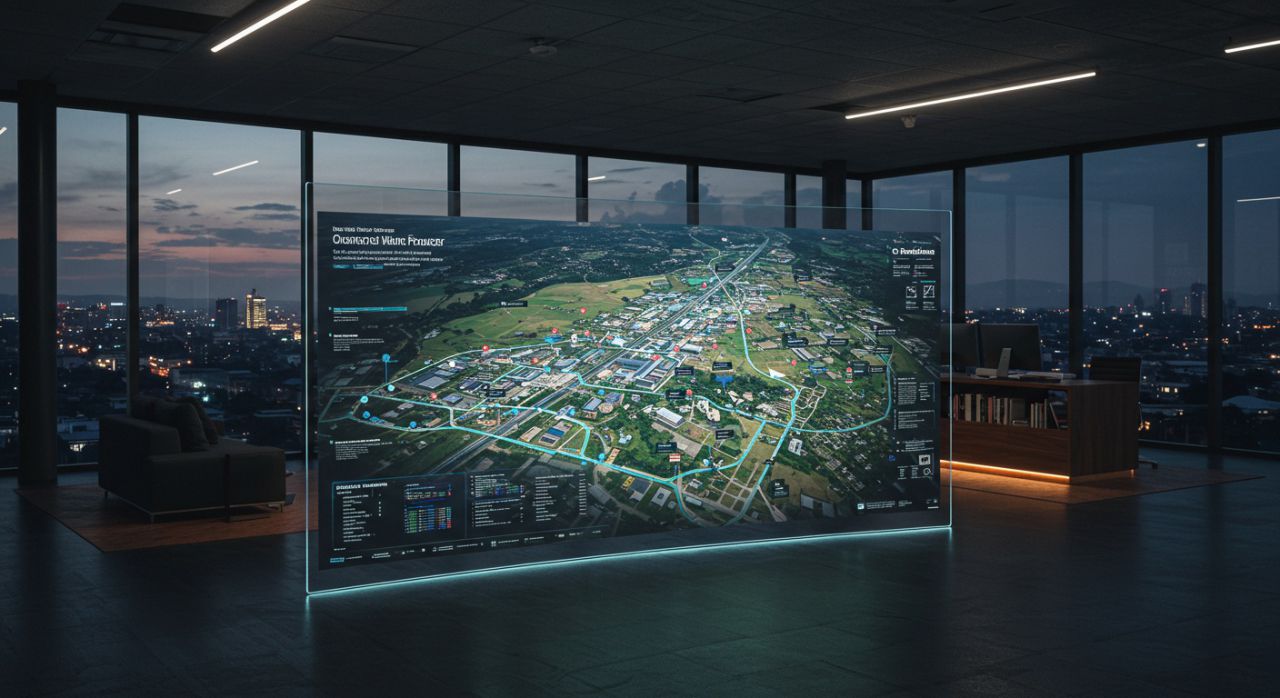
A capital framework provides a structured approach to managing an organization's long-term investments. For transportation infrastructure, it involves identifying the total capital required for modernization initiatives over a defined period. It outlines the potential sources of funding, such as government budgets, private investment, loans, or public-private partnerships. Crucially, it establishes processes for prioritizing projects, allocating funds, and monitoring expenditure and returns. This ensures that investments are strategically aligned with Nairobi's development goals.
Components of a Transportation Modernization Capital Framework
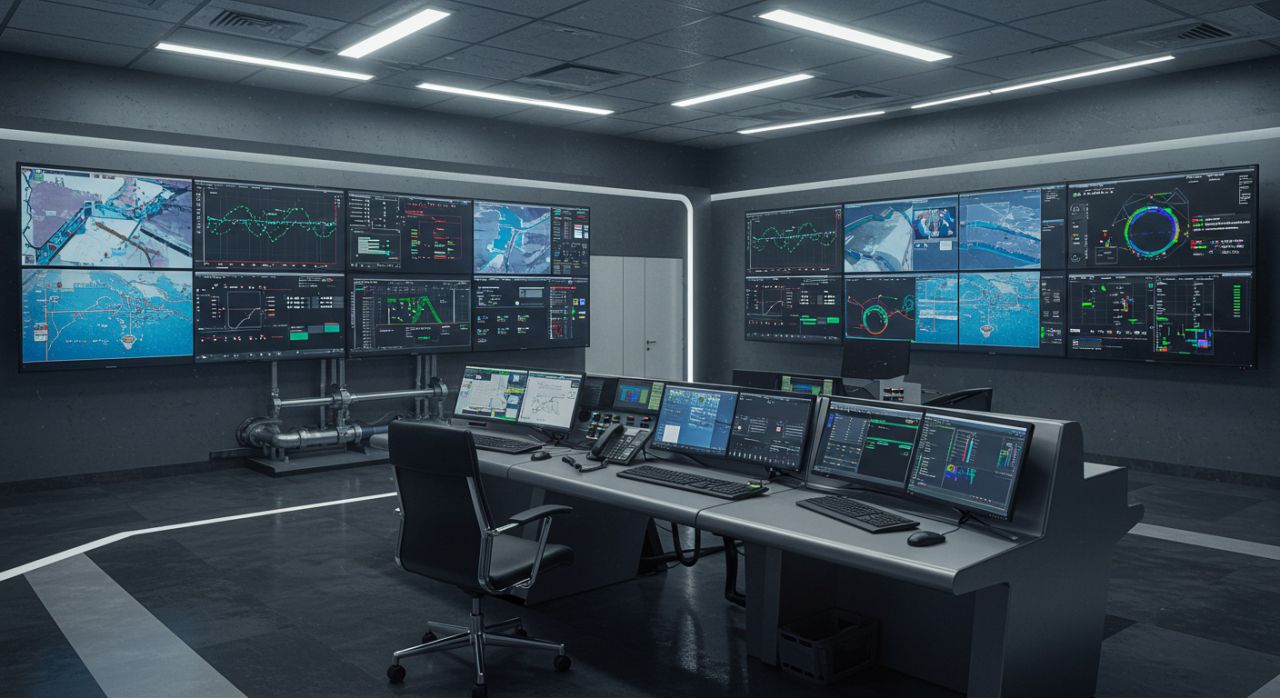
Key elements of a successful capital framework for transportation infrastructure modernization include: a comprehensive asset assessment to identify needs; detailed project planning and cost estimation; robust financial modeling to project funding requirements and returns; identification of diverse funding sources; a clear governance structure for decision-making and oversight; and risk management strategies. Fortisure Consulting assists clients in developing each of these critical components for projects in Nairobi.
Sources of Capital for Infrastructure Modernization
Funding for transportation modernization can come from multiple sources. National and county government budgets are primary sources, often supplemented by international development aid and loans from multilateral institutions like the World Bank or African Development Bank. Private sector participation through Build-Operate-Transfer (BOT) models or other public-private partnerships is increasingly important. We help clients explore and secure capital from these varied sources, ensuring a balanced and sustainable funding mix.
Strategic Allocation and Prioritization
A core function of the capital framework is strategic allocation. Not all modernization projects can be funded simultaneously. We help prioritize initiatives based on economic impact, urgency, and alignment with Nairobi's master plan. This involves rigorous cost-benefit analysis and stakeholder consultation. Ensuring that capital is allocated to projects that deliver the greatest value is paramount. This disciplined approach is central to effective capital framework for transportation infrastructure management.
Fortisure Consulting: Your Partner in Infrastructure Finance
Fortisure Consulting offers specialized expertise in developing and implementing robust capital framework for transportation infrastructure modernization strategies in Nairobi. Our team understands the complexities of infrastructure finance in Kenya. We guide public agencies and private developers through every step, from strategic planning to securing the necessary capital. Partner with us to ensure Nairobi's transportation networks are modernized efficiently and sustainably, supporting the city's continued economic growth.