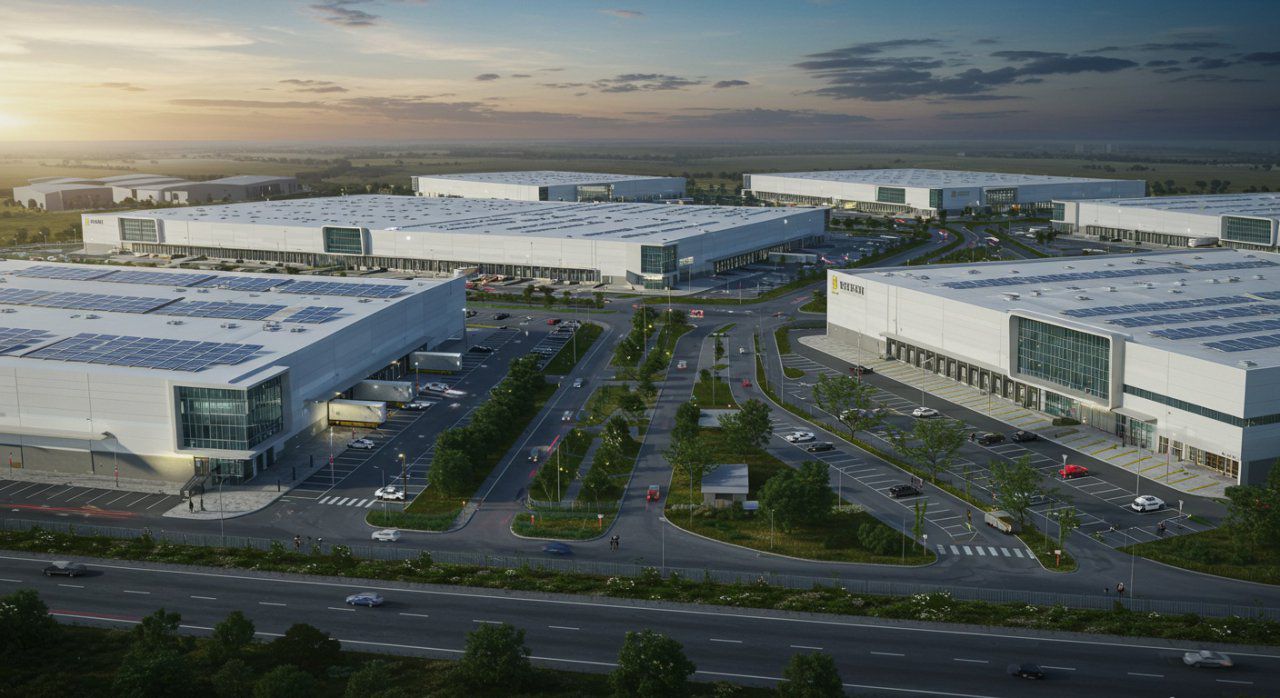
The Importance of a Capital Framework for Industrial Projects
For project owners in Nairobi, Kenya, embarking on industrial development requires a clear and strategic approach to capital. An effective industrial development capital framework is essential for success. It outlines how funding will be secured, managed, and deployed throughout the project lifecycle. This framework ensures that sufficient capital is available at each stage. It mitigates financial risks and maximizes the return on investment. Fortisure Consulting, a leading infrastructure procurement advisory in Nairobi, specializes in crafting these vital frameworks. We help project owners navigate the complexities of industrial financing. Our goal is to empower your vision with the financial foundation it needs to thrive in Kenya's growing economy.
Key Elements of an Industrial Capital Framework
A well-structured industrial development capital framework for project owners encompasses several critical components. Firstly, a detailed project plan is necessary. This includes defining the scope, objectives, and technical specifications of the industrial facility. Secondly, a comprehensive market analysis is crucial. This assesses demand, competition, and potential revenue streams. Thirdly, a robust financial model must be developed. This model projects all costs, including land acquisition, construction, equipment, and operational expenses. It should also forecast revenues and profitability. Fourthly, the framework must identify potential capital sources. These can include equity, debt financing, government incentives, and strategic partnerships. Finally, risk assessment and mitigation strategies are vital. This ensures that potential financial, operational, and market risks are addressed proactively. Fortisure Consulting helps owners integrate these elements seamlessly.

Sourcing Capital for Industrial Ventures
Securing adequate capital is often the biggest hurdle for project owners. The industrial development capital framework must clearly map out financing strategies. Options include equity financing from founders, angel investors, or venture capital firms. Debt financing, such as bank loans or corporate bonds, is another common route. For industrial projects with significant economic impact, government grants, subsidies, and development finance institutions may offer support. Public-private partnerships can also be leveraged. Fortisure Consulting assists project owners in Nairobi to identify the most suitable capital mix. We leverage our network to connect you with potential investors and lenders. Our expertise ensures you secure favorable financing terms.
Financial Modeling for Industrial Projects

Accurate financial modeling is the cornerstone of any sound capital framework. For industrial development, this involves projecting capital expenditures for construction and machinery. It also requires forecasting operational costs, including raw materials, labor, and utilities. Revenue projections should be based on realistic market demand and pricing. Key financial metrics like Internal Rate of Return (IRR), Net Present Value (NPV), and payback period are essential. These metrics help assess project viability and attract investors. Fortisure Consulting develops sophisticated financial models. We ensure these models are robust, transparent, and tailored to the specific needs of your industrial project in Kenya.
Risk Management in Industrial Capital Planning
Industrial projects face a unique set of risks that must be addressed within the capital framework. Market risks include fluctuating demand for products and volatile raw material prices. Operational risks involve construction delays, equipment failures, and supply chain disruptions. Financial risks include interest rate changes and currency fluctuations, particularly relevant in Kenya. Regulatory and environmental risks, such as changes in zoning laws or emission standards, can also impact costs. Fortisure Consulting helps project owners identify these risks. We develop mitigation strategies, including insurance, hedging, and contingency planning. A proactive approach protects your investment and ensures project continuity.
The Role of Government and Incentives
Government policies and incentives play a significant role in industrial development. The Kenyan government often provides incentives to attract investment in key industrial sectors. These can include tax holidays, reduced import duties on capital goods, and special economic zone benefits. Understanding and leveraging these incentives is crucial for optimizing the industrial development capital framework. Fortisure Consulting stays abreast of current government policies. We advise project owners on how to best utilize available incentives. This can significantly reduce project costs and improve financial returns, making your venture more competitive.
Partnering for Industrial Capital Success
Navigating the path to securing capital for industrial development can be challenging. Fortisure Consulting offers expert guidance for project owners in Nairobi. We help you create a compelling industrial development capital framework. Our team provides comprehensive support, from initial concept refinement to securing financing. We assist with financial modeling, investor relations, and negotiation. Our deep understanding of the Kenyan market ensures tailored solutions. Partner with Fortisure Consulting to build a strong financial foundation for your industrial ambitions in Kenya.