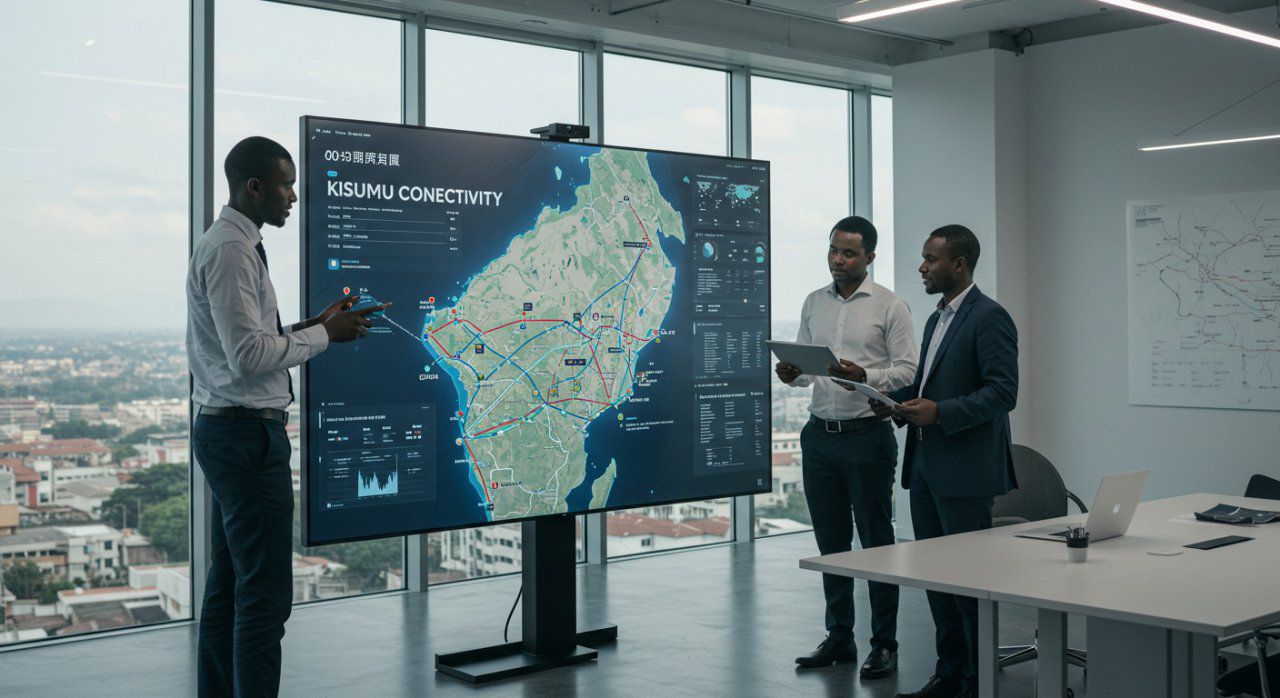
Understanding the Impact of Local Content in the Oil and Gas Sector
The oil and gas industry presents immense opportunities for economic growth and development in Kenya. Central to realizing these benefits is the effective implementation of oil gas local content policies. These policies ensure that a significant portion of the value generated by oil and gas projects remains within the host country. This includes maximizing the use of local goods, services, and human resources. In Nairobi, the push for sustainable development is closely tied to how the nation leverages its natural resources. Fortisure Consulting is at the forefront, providing expert guidance to navigate the complexities of local content requirements and foster genuine, long-term economic prosperity for Kenya.
The Pillars of Sustainable Local Content
Sustainable local content in the oil and gas sector is built upon several foundational pillars. Firstly, it necessitates the development of local capacity through education, training, and skills transfer. This ensures that Kenyan professionals and workers can participate meaningfully in the industry. Secondly, it involves fostering local businesses and suppliers to provide goods and services required by oil and gas operations. This stimulates domestic economic activity and creates employment opportunities. Thirdly, it requires robust regulatory frameworks and effective monitoring to ensure compliance and transparency. The goal is not just to meet minimum requirements but to create an environment where local participation thrives, contributing to broader economic diversification and job creation. Implementing a strong oil gas local content framework is crucial for Kenya's energy future.

Benefits of Local Content for Kenya's Economy
The benefits of prioritizing oil gas local content for Kenya's economy are multifaceted and profound. Beyond direct job creation for Kenyan citizens, these policies encourage the growth of ancillary industries. Local suppliers, manufacturers, and service providers gain opportunities to expand their operations and improve their quality standards to meet international benchmarks. This can lead to technological transfer and innovation within the country. Furthermore, increased local participation means more revenue stays within Kenya, boosting GDP and tax revenues. This can fund crucial public services and infrastructure development, creating a virtuous cycle of growth. Ultimately, effective local content strategies ensure that the exploitation of oil and gas resources translates into tangible, sustainable development for all Kenyans, not just a select few.
Challenges in Implementing Local Content Strategies

Despite the clear advantages, implementing effective local content strategies in the oil and gas sector in Kenya faces several challenges. One significant hurdle is the existing gap in specialized skills and technical expertise required for certain upstream and midstream operations. Bridging this gap requires substantial investment in education and training programs tailored to industry needs. Another challenge is the capacity of local businesses to meet the stringent quality, safety, and volume requirements of international oil companies. Ensuring access to finance and technology for local enterprises is also critical. Furthermore, establishing clear, consistent, and transparent regulatory frameworks can be complex, requiring careful coordination between government agencies and industry stakeholders. Overcoming these obstacles demands strategic planning and collaborative efforts.
Fortisure Consulting's Role in Local Content Development
Fortisure Consulting plays a pivotal role in helping Kenyan companies and government bodies maximize the benefits of local content in the oil and gas sector. We provide comprehensive advisory services designed to develop and implement robust local content strategies. Our expertise covers regulatory compliance, capacity building, supply chain development, and stakeholder engagement. We work with clients to identify opportunities for local participation, assess existing capabilities, and develop action plans to enhance local content. Our team understands the unique landscape of Nairobi and Kenya, offering tailored solutions that align with national development goals and international best practices. We aim to foster a competitive local industry that can thrive alongside global players.
Building Local Capacity and Skills
A core component of successful oil gas local content is the deliberate effort to build local capacity and skills. This involves partnering with educational institutions to develop relevant curricula and vocational training programs. It also means implementing mentorship programs and on-the-job training initiatives within oil and gas projects. Fortisure Consulting assists clients in designing and managing these capacity-building programs. We help identify critical skill shortages and develop strategies to address them through targeted training and development. Our goal is to empower Kenyan professionals and workers, ensuring they are equipped to take on increasingly complex roles within the industry, thereby securing long-term employment and contributing to national expertise.
The Future of Local Content in Kenya's Energy Sector
The future of local content in Kenya's energy sector, particularly in oil and gas, hinges on sustained commitment and strategic adaptation. As the industry matures, the focus will likely shift towards higher-value activities and greater local integration. This means moving beyond basic supply of goods and services to local manufacturing, engineering, and project management. For this to happen, continuous investment in human capital and technological advancement is essential. Government policies must remain stable and supportive, encouraging long-term investment in local capabilities. Fortisure Consulting is dedicated to supporting this evolution, ensuring that Kenya not only extracts its resources but also builds a sustainable, knowledge-based industry that benefits generations to come. Effective oil gas local content is key to this vision.