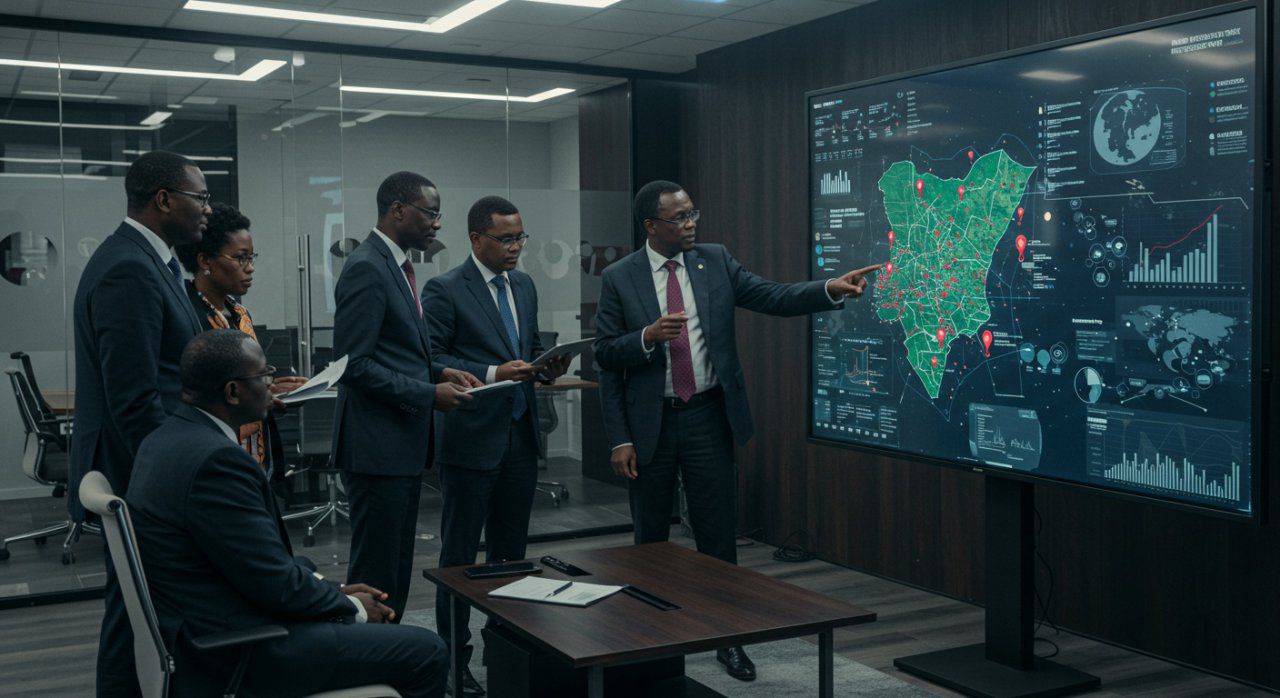
Investing Wisely in Nairobi's Future Transport Network
Effective transportation infrastructure capital expenditure planning is fundamental to developing a modern and efficient transport system in Nairobi. It involves the strategic foresight to anticipate future needs and allocate financial resources for the acquisition or upgrade of long-term assets. Fortisure Consulting provides expert services in this domain, helping public authorities and private developers align their capital investment strategies with economic growth and societal needs. Our approach ensures that investments in roads, public transit, and related facilities are made judiciously, maximizing their impact and long-term value for Kenya.
The Strategic Importance of CapEx Planning
Transportation infrastructure capital expenditure planning is more than just budgeting; it's a strategic process that shapes the future of a city's mobility. It involves identifying infrastructure needs, evaluating potential projects based on economic, social, and environmental factors, and determining the optimal timing and scale of investments. Sound planning ensures that capital is deployed efficiently, avoiding costly delays, overruns, or misaligned projects. In a rapidly growing city like Nairobi, proactive CapEx planning is essential to keep pace with demand and foster sustainable economic development. Fortisure Consulting helps clients develop robust, long-term CapEx plans that are both ambitious and fiscally responsible.

Key Elements of CapEx Planning for Transport
Comprehensive transportation infrastructure capital expenditure planning must integrate several critical elements. This includes forecasting future demand based on population growth, economic activity, and urban development patterns. It requires detailed cost estimation for proposed projects, considering inflation, material costs, and labor. Furthermore, the planning process must identify potential funding sources and develop a realistic financing strategy. Risk assessment is also paramount, evaluating potential challenges like regulatory changes, environmental impacts, and construction complexities. Fortisure Consulting meticulously analyzes these factors to create integrated CapEx plans tailored to Nairobi's unique context.
Forecasting Demand and Asset Needs

Accurate demand forecasting is the bedrock of effective transportation infrastructure capital expenditure planning. Understanding how population growth, urbanization trends, and economic development in Nairobi will influence travel patterns is crucial. This involves analyzing current traffic volumes, predicting future growth, and identifying areas where capacity constraints are likely to emerge. Based on these forecasts, we determine the specific asset needs—whether it's expanding road networks, developing new public transport lines, or upgrading existing facilities. This data-driven approach ensures that capital expenditures are targeted towards projects that will genuinely address future mobility challenges in Kenya.
Cost Estimation and Financial Feasibility
Precise cost estimation is vital for realistic transportation infrastructure capital expenditure planning. This involves breaking down project costs into components such as land acquisition, design, materials, labor, and contingency. Fortisure Consulting employs industry best practices and leverages local market knowledge to provide accurate cost estimates. Equally important is assessing the financial feasibility of proposed expenditures, considering available funding, potential revenue streams (e.g., tolls or fares), and the overall economic return on investment. Our analysis ensures that planned capital expenditures are not only necessary but also financially sustainable for the long term.
Prioritization and Phasing of Investments
Given the often-limited resources available for infrastructure development, effective transportation infrastructure capital expenditure planning requires robust prioritization and phasing of investments. Not all needs can be met simultaneously. Fortisure Consulting assists clients in establishing clear criteria for prioritizing projects based on strategic importance, economic impact, social equity, and urgency. We help develop phased implementation plans, ensuring that critical projects are delivered first and that investments are strategically timed to align with funding availability and urban development milestones in Nairobi.
Our CapEx Planning Services for Nairobi
Fortisure Consulting provides comprehensive transportation infrastructure capital expenditure planning services designed to optimize investment decisions for Nairobi's transport sector. We partner with clients to develop long-term strategic plans, conduct detailed demand and cost analyses, assess financial feasibility, and prioritize investments. Our expertise ensures that your capital expenditures are aligned with strategic objectives, deliver maximum value, and contribute to building a resilient and efficient transportation network for Kenya. Let us help you plan your infrastructure investments for enduring success.