
The Importance of Monitoring and Evaluation for Local Content
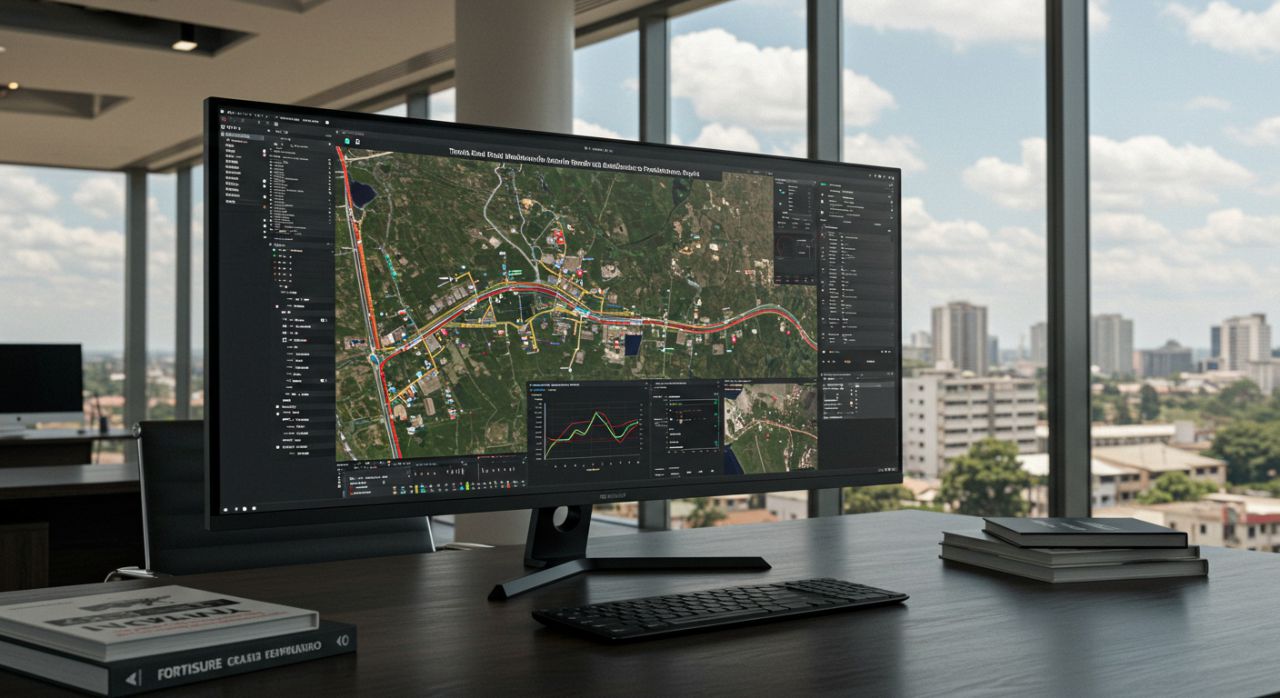
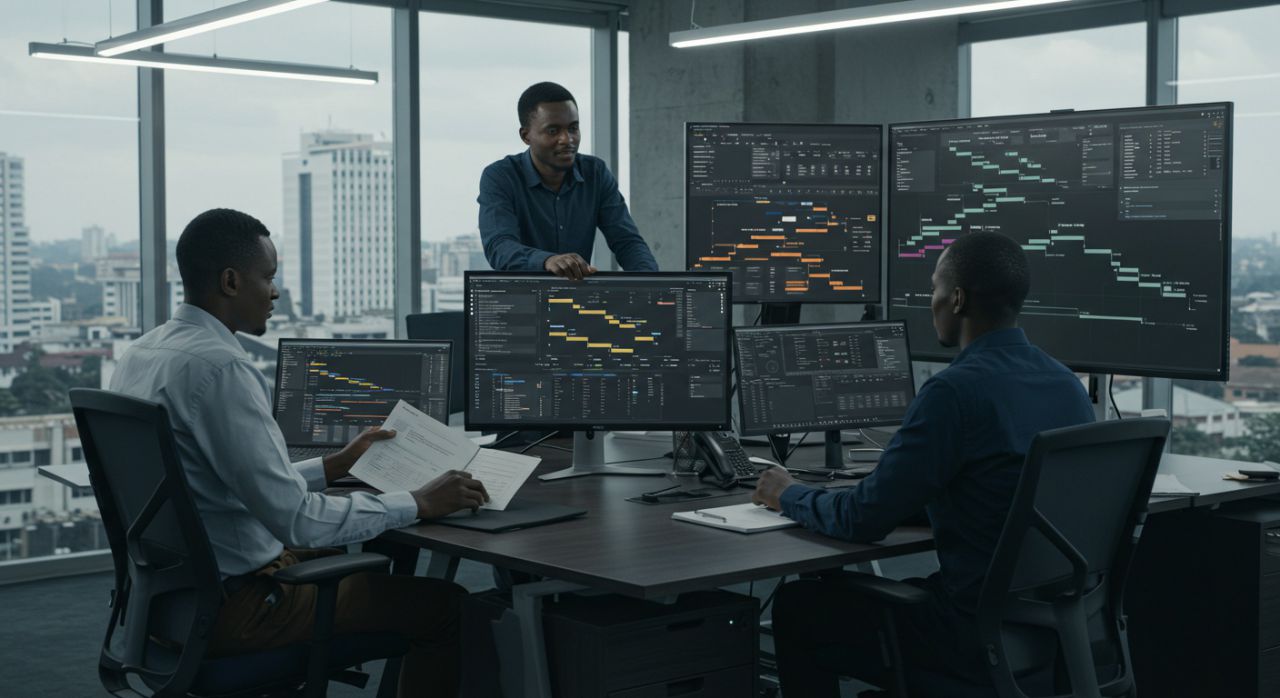
In Nairobi's industrial sector, effective industrial lc monitoring and evaluation is crucial for ensuring that local content (LC) policies achieve their intended outcomes. Fortisure Consulting provides expert services to track progress, measure impact, and ensure accountability. Our approach helps companies demonstrate compliance and identify areas for improvement. Robust M&E systems are not just about reporting; they are about driving continuous improvement and maximizing the socio-economic benefits of industrial projects for Kenya. Without diligent monitoring and evaluation, the true impact of local content initiatives can remain unclear.
Why is Monitoring and Evaluation Essential?
Industrial lc monitoring and evaluation is vital for several reasons. It provides evidence of compliance with regulatory requirements, preventing potential penalties and legal issues. It allows companies to track the effectiveness of their LC strategies, identifying what works and what doesn't. This data enables informed decision-making and resource allocation. Furthermore, M&E helps measure the socio-economic impact of projects on local communities in Nairobi, such as job creation and local business development. Transparent reporting builds trust with stakeholders, including government agencies and the public. Fortisure Consulting establishes M&E frameworks that deliver actionable insights.

Key Components of an M&E Framework
A comprehensive industrial lc monitoring and evaluation framework typically includes several core components. Firstly, defining clear objectives and Key Performance Indicators (KPIs) for local content. These KPIs should be measurable and relevant to the project's goals. Secondly, data collection methods: establishing systematic ways to gather data on procurement, employment, training, and other LC aspects. This may involve surveys, company records, and stakeholder interviews. Thirdly, data analysis: processing the collected data to identify trends, achievements, and challenges. Fourthly, reporting: creating regular reports for internal management and external regulators in Nairobi. Finally, feedback and adaptation: using M&E findings to adjust strategies and improve future performance.
Data Collection and Reporting Strategies

Effective data collection is the backbone of successful industrial lc monitoring and evaluation. Fortisure Consulting helps clients implement robust systems. This often involves developing standardized templates for reporting LC contributions from various departments. We utilize a mix of quantitative and qualitative data sources. Quantitative data might include spending with local suppliers or number of local employees. Qualitative data could involve feedback from local businesses or community impact assessments. Regular reporting schedules are established, ensuring timely submission of information to relevant authorities in Kenya. Our goal is to make the data collection process efficient and the resulting reports accurate and insightful.
Measuring Socio-Economic Impact
Beyond simple compliance, effective industrial lc monitoring and evaluation should measure the broader socio-economic impact. This includes assessing the quality of jobs created for local residents in Nairobi, the growth of local SMEs supported through procurement, and skills development outcomes. We evaluate the multiplier effect of LC spending within the local economy. This might involve tracking how local businesses reinvest profits or expand their operations. Measuring these impacts demonstrates the true value of local content initiatives. It helps justify investments and builds a strong case for continued support of these programs.
Fortisure Consulting's M&E Services in Nairobi
Fortisure Consulting offers specialized industrial lc monitoring and evaluation services tailored for Nairobi's industrial landscape. Our team designs and implements customized M&E frameworks. We provide training to client teams on data collection and reporting. We conduct periodic audits and impact assessments. Our expertise ensures that your LC performance is accurately tracked and reported. We help identify opportunities for optimizing LC strategies and enhancing socio-economic contributions. Partner with Fortisure Consulting to ensure your local content initiatives are effective, compliant, and impactful.
Leveraging M&E for Continuous Improvement
The true power of industrial lc monitoring and evaluation lies in its ability to drive continuous improvement. By regularly analyzing performance data, companies can identify bottlenecks and inefficiencies in their LC implementation. This allows for timely adjustments to strategies, procurement processes, or training programs. For instance, if local supplier utilization is below target, M&E can help pinpoint the reasons, whether it's capacity issues or awareness gaps. Fortisure Consulting uses M&E findings to provide strategic recommendations. This ensures that LC programs evolve and become more effective over time, delivering greater benefits to Nairobi and Kenya.