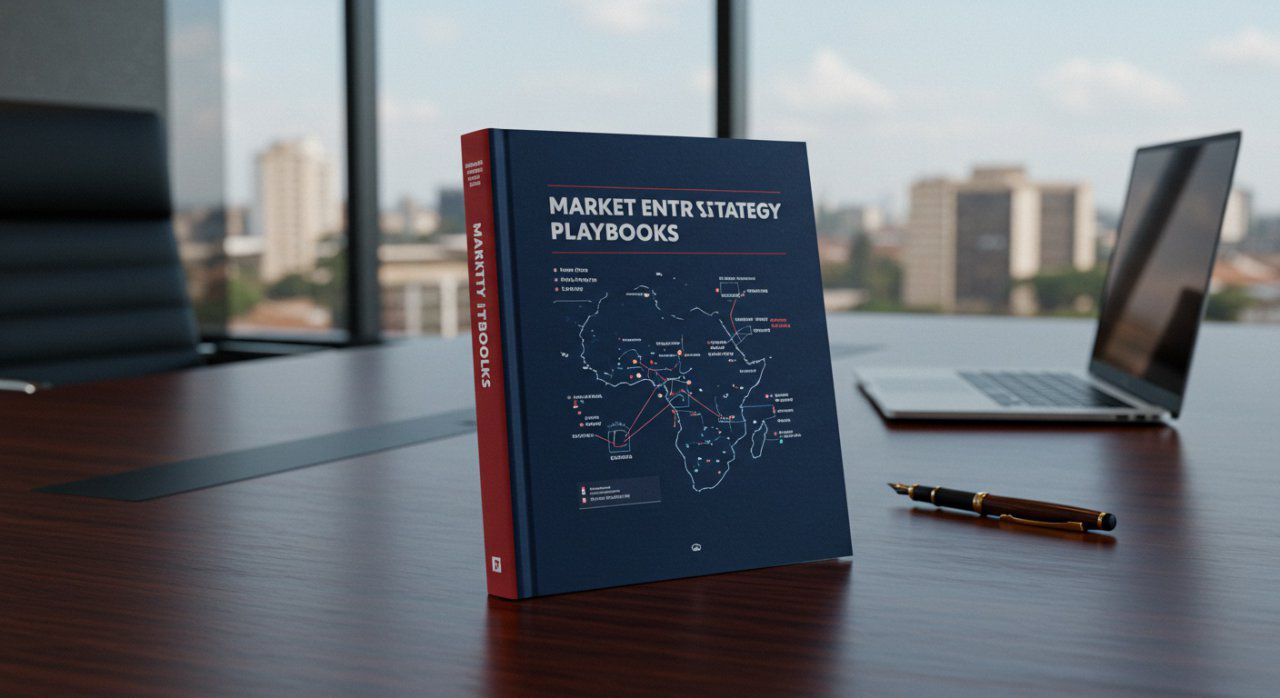
The Imperative of Local Content in Africa's Infrastructure Boom
Africa is experiencing unprecedented growth in infrastructure development, crucial for its economic transformation. To ensure this growth is inclusive and sustainable, a well-defined local content strategy is paramount. This strategy focuses on maximizing the participation of African businesses, labor, and resources in the continent's burgeoning infrastructure projects. In Nairobi, Kenya, and across the region, Fortisure Consulting understands the unique challenges and opportunities involved. We guide stakeholders in developing robust strategies that not only meet project requirements but also foster long-term economic development and capacity building within African nations.
Understanding the Scope of African Infrastructure
Africa's infrastructure needs are vast, spanning energy, transportation, telecommunications, and water and sanitation. These projects represent significant investment opportunities. A successful local content strategy aims to ensure a substantial portion of this investment benefits African economies directly. This means prioritizing local procurement of goods and services, employing African professionals and labor, and supporting the growth of local enterprises. It's about building a self-sufficient ecosystem that can sustain development beyond the project lifecycle. Fortisure Consulting recognizes the diverse landscape of African infrastructure and tailors strategies to fit specific regional and national contexts, ensuring relevance and impact.

Benefits of a Tailored Local Content Strategy
Implementing a strategic local content strategy offers profound benefits for African nations. It drives job creation, providing employment for millions across the continent. Local businesses gain access to new markets and opportunities, fostering entrepreneurship and economic diversification. Skills development and technology transfer empower the African workforce, building a foundation for future innovation and competitiveness. Furthermore, local content ensures that infrastructure projects are better aligned with local needs and contexts, leading to more sustainable and resilient outcomes. This approach transforms infrastructure investment from a mere expenditure into a catalyst for broad-based socio-economic development across Africa.
Key Pillars of an Effective Strategy

An effective local content strategy for African infrastructure rests on several key pillars. Clear policy and regulatory frameworks are fundamental, providing certainty for investors and local participants. Targeted capacity-building programs are essential to bridge skills gaps and enhance the competitiveness of local firms. Procurement policies that actively promote local participation, such as preferential treatment or joint venture requirements, are vital. Financial mechanisms, including access to credit and investment support for local businesses, play a critical role. Finally, robust monitoring and evaluation systems ensure accountability and allow for adaptive management of the strategy.
Navigating Challenges in Implementation
Implementing a local content strategy across diverse African markets presents unique challenges. These can include varying levels of industrial development, skills shortages in specific sectors, and complex regulatory environments. Limited access to finance for local SMEs is a persistent issue. Ensuring consistent quality standards and overcoming logistical hurdles are also common concerns. Fortisure Consulting works closely with clients to anticipate and mitigate these challenges. We focus on practical solutions, such as phased implementation, tailored training programs, and fostering public-private partnerships to create enabling environments for local participation.
Fortisure Consulting's Role in Africa
Fortisure Consulting, based in Nairobi, Kenya, is a leading Infrastructure Procurement Advisory firm with deep expertise in developing and implementing effective local content strategies across Africa. We partner with governments, international developers, and local businesses to design bespoke strategies that maximize local participation and benefits. Our services include policy advisory, market analysis, capacity needs assessment, stakeholder engagement, and performance tracking. We are committed to ensuring that Africa's infrastructure revolution translates into tangible, sustainable development for its people and economies. Our strategic approach helps unlock the full potential of local resources and talent.
Building a Sustainable Future Through Local Content
The long-term vision for any local content strategy in Africa is to build sustainable, self-reliant economies. This goes beyond immediate job creation to fostering a robust domestic industrial base capable of competing globally. It involves nurturing local innovation, promoting value addition, and ensuring that knowledge and expertise remain within the continent. By embedding local content principles into the fabric of infrastructure development, Africa can ensure that these vital projects become engines of lasting prosperity. Fortisure Consulting is dedicated to helping shape this future, making African infrastructure work for Africa.