

Developing Sustainable Supply Chains in Kenya
Building a resilient supply chain in Nairobi requires a robust local content procurement strategy. As Kenya emphasizes the growth of domestic industries, businesses must align their operations with national priorities. Our local content procurement strategy services help firms navigate these requirements while maintaining operational excellence. We believe that a strong local content procurement strategy is not just about compliance; it is about creating lasting value in the community. By integrating local suppliers into your projects, you foster innovation and economic growth. Our team at Fortisure Consulting provides the expertise to design a local content procurement strategy that meets regulatory standards. We work with you to identify high-quality local partners who can scale with your needs. Let us help you build a sustainable procurement model that benefits your bottom line and the local economy.
Why Local Content Strategy Matters
A well-defined local content procurement strategy is essential for companies operating in the Kenyan infrastructure sector. It is not merely a legal requirement; it is a strategic advantage. By sourcing goods and services locally, firms reduce logistics costs and shorten supply chains. This responsiveness is critical in the fast-paced business environment of Nairobi. Furthermore, investing in local vendors builds goodwill and strengthens your social license to operate. We help you move beyond simple quotas to create meaningful partnerships with local enterprises. Our advisors analyze your current procurement processes to identify opportunities for local inclusion. We look for ways to transfer knowledge and technology to local suppliers, raising the overall standard of the industry. This holistic approach ensures that your project is not only compliant but also a catalyst for local development. We understand that finding reliable local partners can be challenging. That is why we provide a vetted list of suppliers who meet your quality and safety standards. Our approach to a local content procurement strategy is grounded in data and local market insight. By prioritizing local talent and resources, you position your business as a leader in the Kenyan market.
Designing Your Procurement Framework
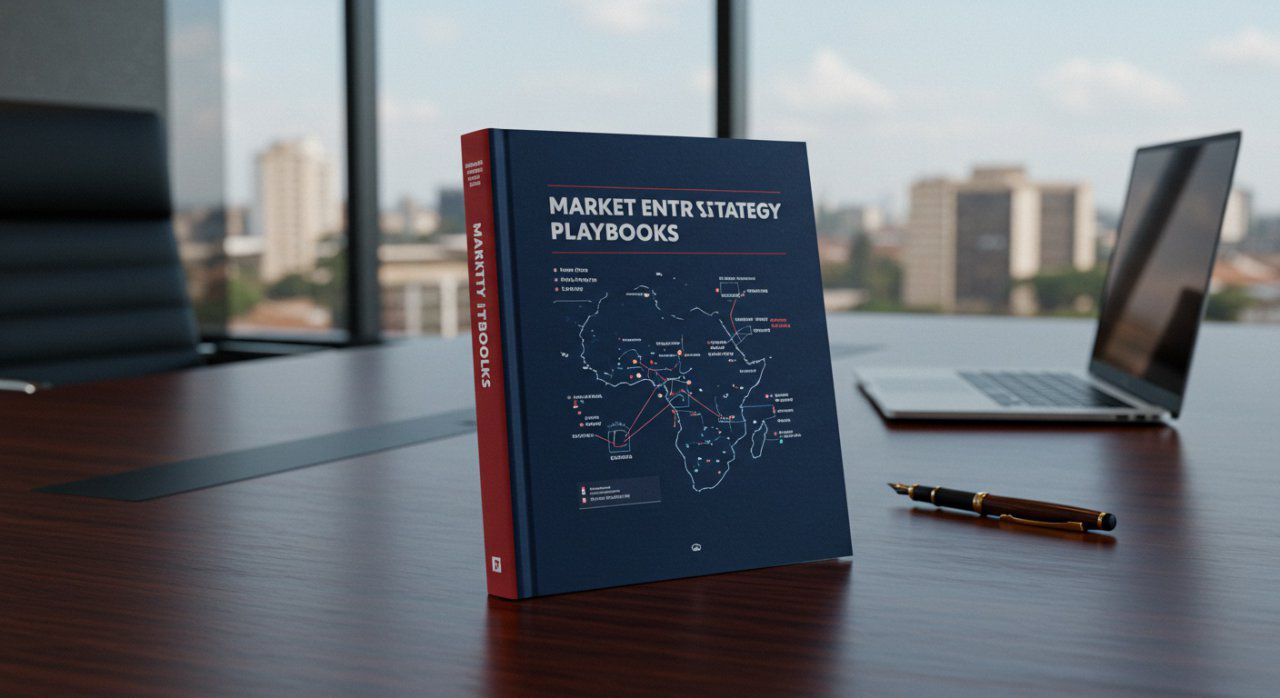
The foundation of an effective procurement framework is a clear policy that governs all purchasing decisions. We help you draft comprehensive policies that integrate your local content procurement strategy into daily operations. This involves setting clear targets for local spending and defining the criteria for vendor selection. We assist in establishing a transparent tender process that encourages competition among local suppliers. Our team also helps you develop capacity-building programs for your vendors. This ensures that they can meet the technical and safety demands of your projects. By investing in the growth of your suppliers, you create a more reliable and loyal supply base. We also implement monitoring and reporting systems to track your progress against your local content goals. These reports are vital for demonstrating compliance to regulators and stakeholders. Our framework is designed to be flexible, allowing you to adapt as your project evolves. We focus on scalability, ensuring that your procurement system can handle the growth of your business. With our guidance, you can build a procurement function that is efficient, transparent, and aligned with your organizational goals. We provide the tools and expertise needed to manage your supply chain effectively in Nairobi.
Supplier Development and Capacity Building

A key challenge in implementing a local content procurement strategy is ensuring that local suppliers have the capacity to deliver. We provide comprehensive supplier development programs that bridge the gap between local capability and project requirements. This includes training in quality management, safety standards, and project reporting. We help you mentor your key suppliers, fostering long-term relationships that drive quality and consistency. By identifying gaps in the local supply market, we help you develop interventions that build new capabilities. This might involve joint ventures between international firms and local suppliers or technical support programs. We believe that empowering local vendors is the best way to secure your supply chain. Our team facilitates these connections, acting as a bridge between your needs and the local market. We also help you design incentive structures that reward high-performing local suppliers. This creates a positive feedback loop that encourages continuous improvement. As your suppliers grow, your project benefits from increased reliability and lower costs. We are committed to creating a sustainable ecosystem where both your business and the local economy can thrive. Through our dedicated support, you can transform your procurement strategy into a driver for success.
Regulatory Compliance and Reporting
Navigating the regulatory landscape in Kenya is a critical aspect of our local content procurement strategy advisory. We ensure that your operations are fully compliant with the latest government directives and industry standards. Our team keeps you informed about changes in legislation and provides guidance on how to adjust your procurement practices accordingly. We help you prepare accurate and timely reports for regulatory bodies, demonstrating your commitment to local development. This transparency is essential for maintaining a good standing with the authorities. We understand the specific requirements for different sectors, from energy to manufacturing. Our expertise allows us to tailor our compliance advice to your specific industry. We also assist in conducting audits to ensure that your processes are robust and error-free. By staying ahead of the regulatory curve, you avoid the risks of non-compliance and reputational damage. We act as your partner in navigating these complexities, providing the clarity you need to operate with confidence. Our goal is to ensure that your procurement strategy is a model of compliance and ethical business practice. We provide the documentation and evidence needed to support your claims of local impact. With our help, you can demonstrate your contribution to the Kenyan economy with pride.
Risk Management in Supply Chain Procurement
Managing risks in your supply chain is vital for the long-term success of your local content procurement strategy. We help you identify vulnerabilities in your procurement processes and develop mitigation plans. This includes assessing the financial stability and operational capacity of your local suppliers. We also evaluate the risks associated with market fluctuations and supply disruptions. Our team uses data-driven insights to help you build a diversified supply base that can withstand shocks. We advise on contract management strategies that protect your interests while being fair to your suppliers. By setting clear performance benchmarks, we ensure that your vendors meet their obligations. We also assist in developing contingency plans for critical goods and services. This proactive approach minimizes the impact of potential delays and disruptions. We believe that effective risk management is about preparation and agility. We provide the tools to monitor your supply chain in real-time, allowing you to respond quickly to changes. Our risk management framework is designed to protect your project from unnecessary costs and delays. We help you build a resilient supply chain that supports your business objectives. With our expertise, you can navigate the challenges of the market with confidence and precision.
Measuring Success and Impact
Success in procurement is measured by both financial results and social impact. We help you develop KPIs that capture the effectiveness of your local content procurement strategy. This includes tracking the percentage of local spend, the number of jobs created, and the growth in supplier capability. We use these metrics to provide actionable insights that help you improve your performance. Our team creates dashboards that give you a clear view of your progress, making it easy to report to stakeholders. We also facilitate impact assessments that quantify the value you have added to the local economy. This data is powerful for your branding and stakeholder engagement. We believe that telling your story of local impact is essential for building trust in Nairobi. We help you communicate your achievements in a way that resonates with the local community and the government. By focusing on measurable results, we ensure that your procurement strategy remains aligned with your broader business goals. We are dedicated to providing the analytics and reporting support you need to prove your success. Whether it is through annual reports or public presentations, we help you showcase your commitment to Kenya. Your success is our success, and we work hard to ensure that your impact is recognized and valued.