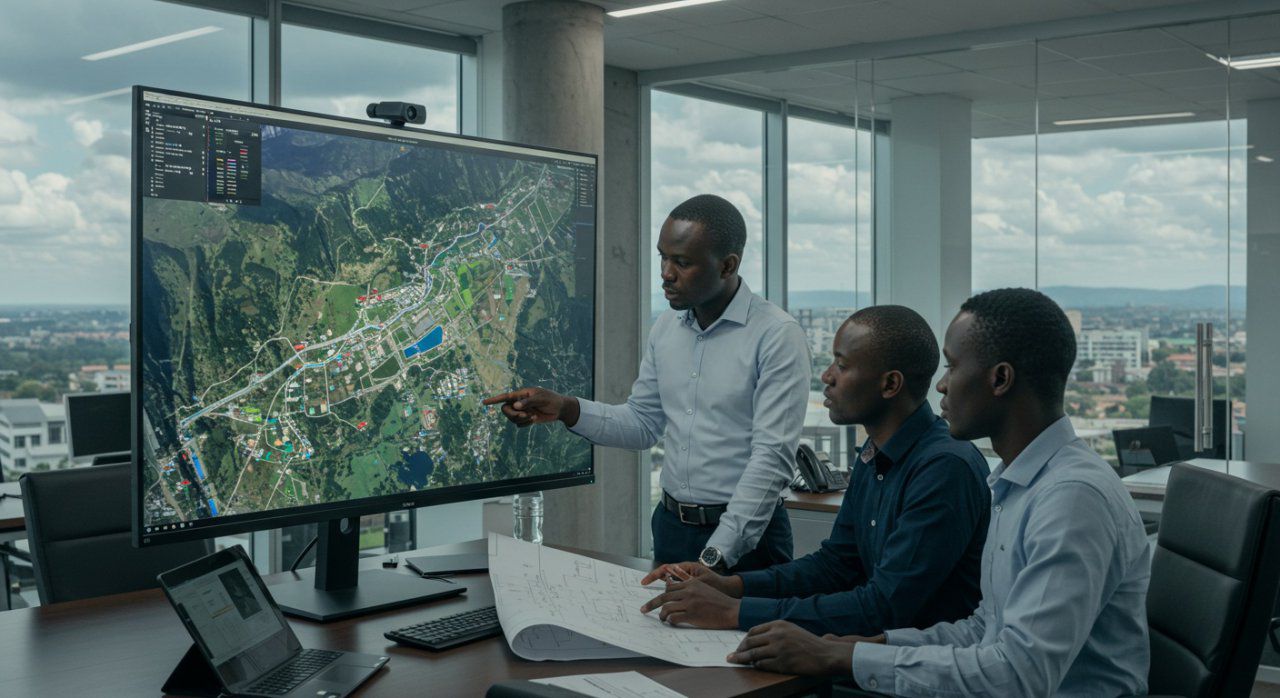
Anticipating the Evolution of Nairobi's Transport Landscape
Nairobi's transportation sector is on the cusp of significant transformation, driven by technological innovation, urban development, and changing consumer needs. Understanding the future market trends transportation is crucial for businesses seeking to thrive and remain competitive. Fortisure Consulting, a leading infrastructure procurement advisory in Nairobi, Kenya, specializes in analyzing these emerging trends. We provide strategic insights to help businesses adapt, innovate, and capitalize on the evolving transport landscape in Kenya's vibrant capital.
The Rise of Sustainable and Green Transportation
A major global shift towards sustainability is profoundly influencing the future market trends transportation. In Nairobi, this translates to an increasing demand for eco-friendly options. We anticipate a surge in electric vehicles (EVs), both for public transit and private use. Investments in charging infrastructure will become critical. There will also be a greater focus on non-motorized transport, such as cycling lanes and enhanced pedestrian walkways. Public policies are likely to favor greener transport solutions. Businesses that embrace sustainability will gain a competitive advantage. This includes logistics companies optimizing routes for fuel efficiency and public transport operators adopting cleaner fleets. Adapting to this trend is essential for long-term viability.
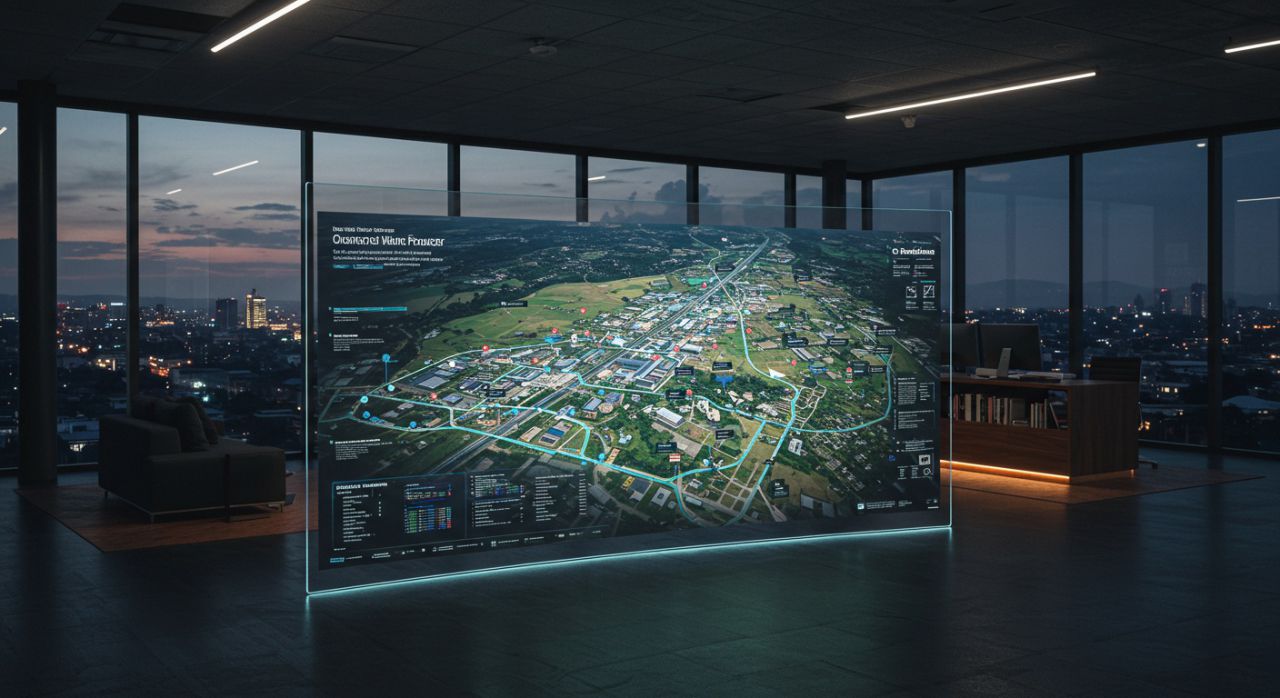
Integration of Smart Technologies and Mobility as a Service (MaaS)
The future of transportation in Nairobi will be heavily shaped by smart technologies. Mobility as a Service (MaaS) platforms are set to integrate various transport options into a single, seamless digital experience. Think of apps that allow users to plan, book, and pay for journeys across buses, ride-sharing, and even bike rentals. Real-time data analytics will optimize traffic flow, improve public transport scheduling, and enhance overall efficiency. We foresee significant growth in connected vehicles and intelligent traffic management systems. Embracing these technological advancements is key to staying relevant. Understanding these trends helps businesses position themselves at the forefront of Nairobi's evolving mobility landscape.
Evolution of Public Transportation Systems
Nairobi's public transportation system is undergoing continuous development. Future trends indicate a move towards more integrated and efficient networks. The expansion of Bus Rapid Transit (BRT) corridors is a significant development. We expect further investment in modernizing the commuter rail network. The goal is to provide reliable, affordable, and accessible options for a growing urban population. The integration of technology, such as real-time tracking and digital payment systems, will enhance user experience. Future planning must consider how these public systems will interact with private mobility solutions. This integrated approach is a key element of the future market trends transportation.
Growth in Logistics and E-commerce Delivery
The rapid growth of e-commerce in Kenya is driving significant demand for logistics and delivery services. Future trends point towards increased specialization within the logistics sector. This includes same-day delivery, temperature-controlled transport for goods like pharmaceuticals and perishables, and the use of data analytics for supply chain optimization. We anticipate a rise in micro-fulfillment centers within Nairobi to speed up last-mile deliveries. Innovative delivery methods, potentially including drones or autonomous vehicles in the longer term, may also emerge. Businesses in this sector must adapt to evolving customer expectations for speed and reliability.
Infrastructure Development and Urban Planning
Ongoing infrastructure development is central to shaping Nairobi's transport future. Planned road networks, flyovers, and public transport projects will significantly impact mobility. Urban planning that prioritizes efficient transport links between residential, commercial, and industrial areas is crucial. Future trends suggest a greater emphasis on mixed-use developments that reduce the need for long commutes. The integration of transport planning with broader urban development strategies will be key. Understanding these infrastructure plans and urban development goals is vital for businesses operating in or investing in the sector. This foresight allows for strategic alignment with the city's growth trajectory.
Adapting to Regulatory Changes and Policy Shifts
Government policies and regulations play a pivotal role in shaping the future of transportation. Emerging trends may include stricter emissions standards, new regulations for ride-sharing platforms, or incentives for EV adoption. Staying informed about potential policy shifts is essential. Fortisure Consulting helps clients anticipate and adapt to these changes. Proactive engagement with regulatory bodies and a flexible business strategy are vital. Understanding the policy landscape allows businesses to navigate potential challenges and seize emerging opportunities. This foresight is critical for success in Nairobi's dynamic transport market.