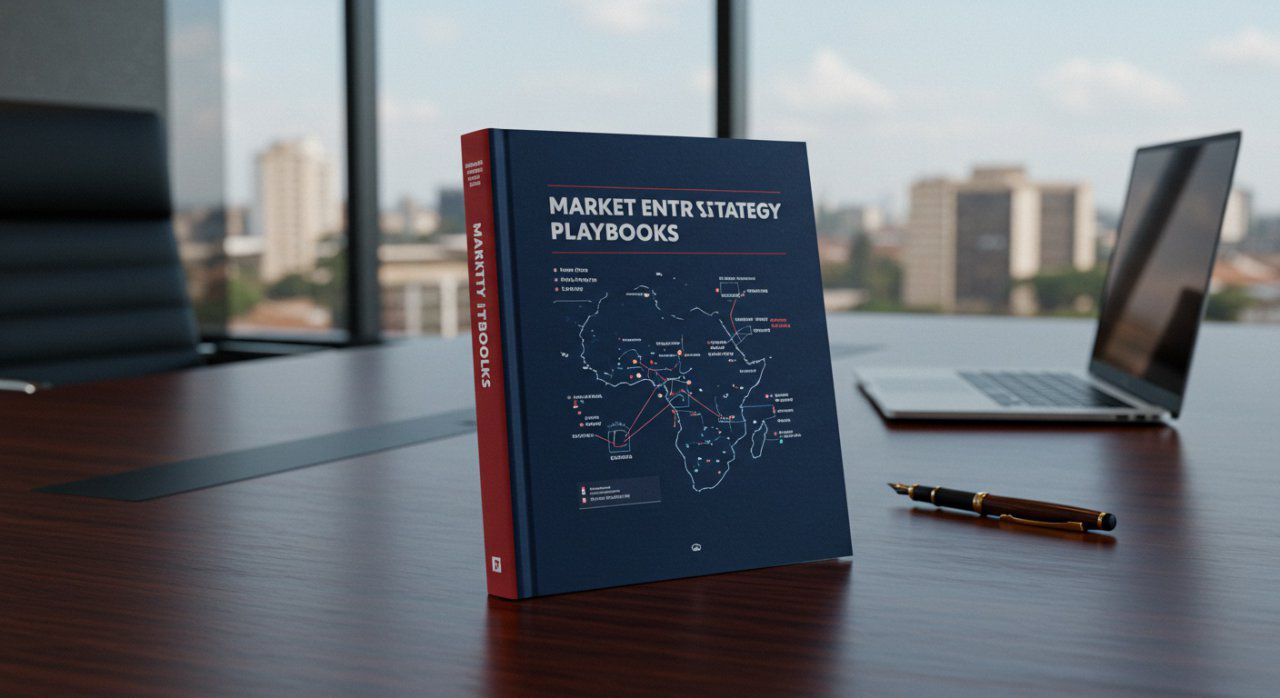
Understanding Healthcare Sector Development in Nairobi
Embarking on a new venture within Nairobi's dynamic healthcare landscape requires meticulous planning and expert guidance. Successful healthcare sector development hinges on understanding local needs, regulatory frameworks, and market dynamics. Fortisure Consulting specializes in navigating these complexities for businesses seeking to establish or expand their presence in Kenya's capital. Our approach ensures your entry is not just successful, but sustainable and impactful. We provide the strategic insights needed to thrive. This focus on robust planning is crucial for any new initiative.
The Evolving Healthcare Landscape in Nairobi
Nairobi's healthcare sector is experiencing significant transformation, driven by a growing population, increasing demand for quality services, and technological advancements. This presents both opportunities and challenges for new entrants. Understanding the current state of healthcare sector development is paramount. Factors such as the prevalence of non-communicable diseases, the need for specialized care, and the digital health revolution are shaping the market. Fortisure Consulting helps clients analyze these trends. We identify underserved areas and emerging needs. This deep dive into the local context is essential for a solid market entry strategy. Our expertise ensures you are well-positioned to capitalize on these shifts. We analyze demographic data and disease patterns.

Key Considerations for Market Entry
Entering the Nairobi healthcare market demands a thorough understanding of its unique regulatory environment and operational challenges. Compliance with health standards, licensing requirements, and ethical practices is non-negotiable. Effective healthcare sector development requires navigating these hurdles efficiently. Fortisure Consulting assists in securing necessary permits and approvals. We also advise on building local partnerships. These collaborations are vital for smooth operations and market acceptance. Our team conducts thorough due diligence. We assess potential risks and opportunities. This ensures your business plan is robust and compliant.
Strategic Planning for Sustainable Growth

Sustainable growth in Nairobi's healthcare sector is built on a foundation of strategic planning. This involves more than just launching a service; it requires a long-term vision. Fortisure Consulting partners with clients to develop comprehensive business strategies. We focus on patient-centric models and operational efficiency. Our expertise covers financial planning, resource allocation, and service delivery optimization. We help identify key performance indicators. Tracking these metrics ensures continuous improvement and adaptation to market changes. This proactive approach is key to long-term success.
Leveraging Technology in Healthcare Development
Technology plays a pivotal role in modern healthcare. In Nairobi, adopting innovative solutions can significantly enhance service delivery and patient outcomes. This includes telemedicine, electronic health records, and advanced diagnostic tools. Fortisure Consulting advises on integrating appropriate technologies. We help assess the return on investment for technological upgrades. Our goal is to ensure that technology supports, rather than complicates, your healthcare sector development initiatives. We identify solutions that improve efficiency and patient access. This strategic adoption of tech can be a major competitive advantage.
Building Local Capacity and Partnerships
Successful healthcare ventures in Nairobi rely heavily on strong local relationships and skilled human resources. Investing in local talent and forging strategic alliances are crucial. Fortisure Consulting facilitates connections with local healthcare professionals and institutions. We also guide clients on building effective teams. Understanding the cultural nuances of healthcare provision is important. Our advisory services help foster trust and collaboration. This builds a strong foundation for community engagement and service acceptance. Local buy-in is essential for sustained impact.
Measuring Impact and Ensuring Quality
Beyond financial success, impactful healthcare development in Nairobi necessitates a focus on quality and patient outcomes. Establishing robust quality assurance systems is vital. Fortisure Consulting helps clients implement frameworks for measuring patient satisfaction and clinical effectiveness. We advise on adhering to international best practices. Continuous monitoring and evaluation ensure services remain high-quality. This commitment to excellence builds reputation and trust. It also contributes positively to the community's well-being. Demonstrating tangible impact is key.