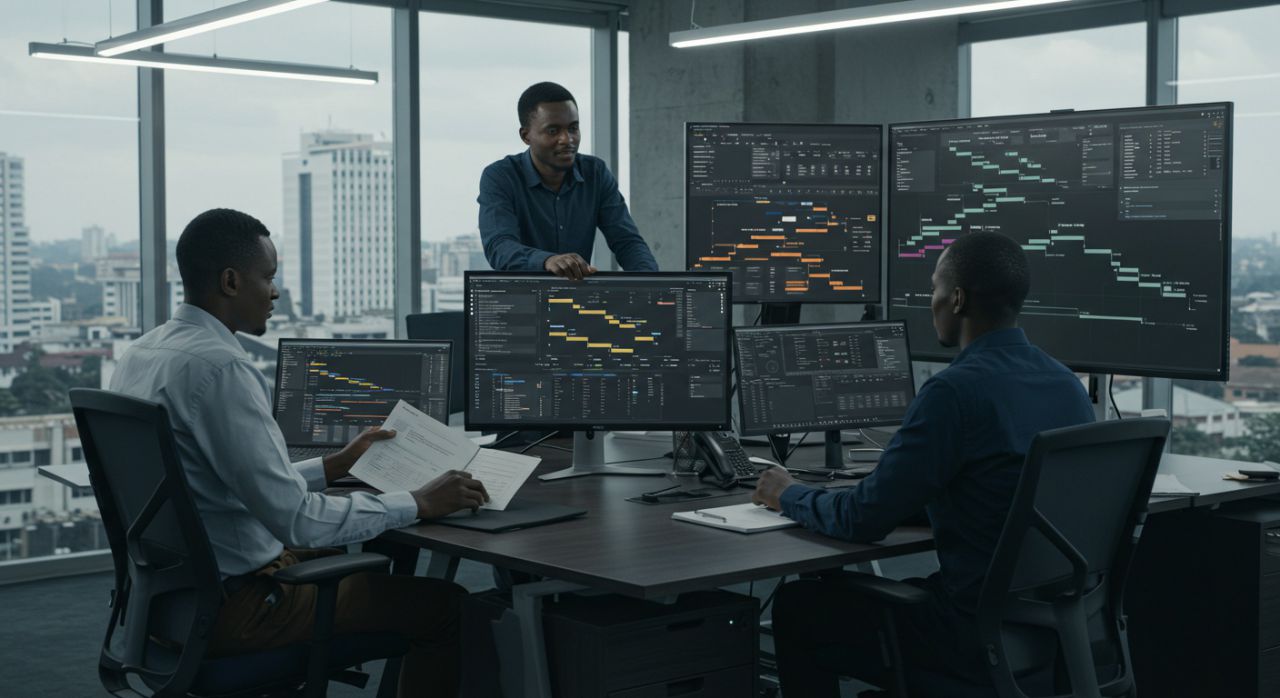

Opportunities and Challenges in Kenya's Agricultural Machinery Market
The demand for modern agricultural machinery in Kenya is on the rise, driven by the need for increased food production and efficiency. Successfully navigating the market entry for agricultural machinery requires a deep understanding of local needs, regulatory landscapes, and distribution channels. Fortisure Consulting, your leading infrastructure procurement advisory in Nairobi, Kenya, specializes in facilitating this complex process. We provide the strategic insights and practical support necessary to ensure your agricultural equipment finds its place and thrives in the Kenyan market, overcoming hurdles unique to this sector.
Understanding the Demand for Agricultural Machinery in Kenya
Kenya's agricultural sector is a cornerstone of its economy, with a growing emphasis on mechanization to boost productivity and reduce labor dependency. Smallholder farmers, large-scale commercial farms, and government initiatives all contribute to the demand for tractors, harvesters, irrigation systems, and processing equipment. A critical aspect of market entry for agricultural machinery involves identifying specific needs within different agricultural sub-sectors, such as horticulture, large-scale grain farming, or dairy. Fortisure Consulting conducts thorough market analysis to pinpoint these opportunities, ensuring your product offerings align with local demands and farming practices.
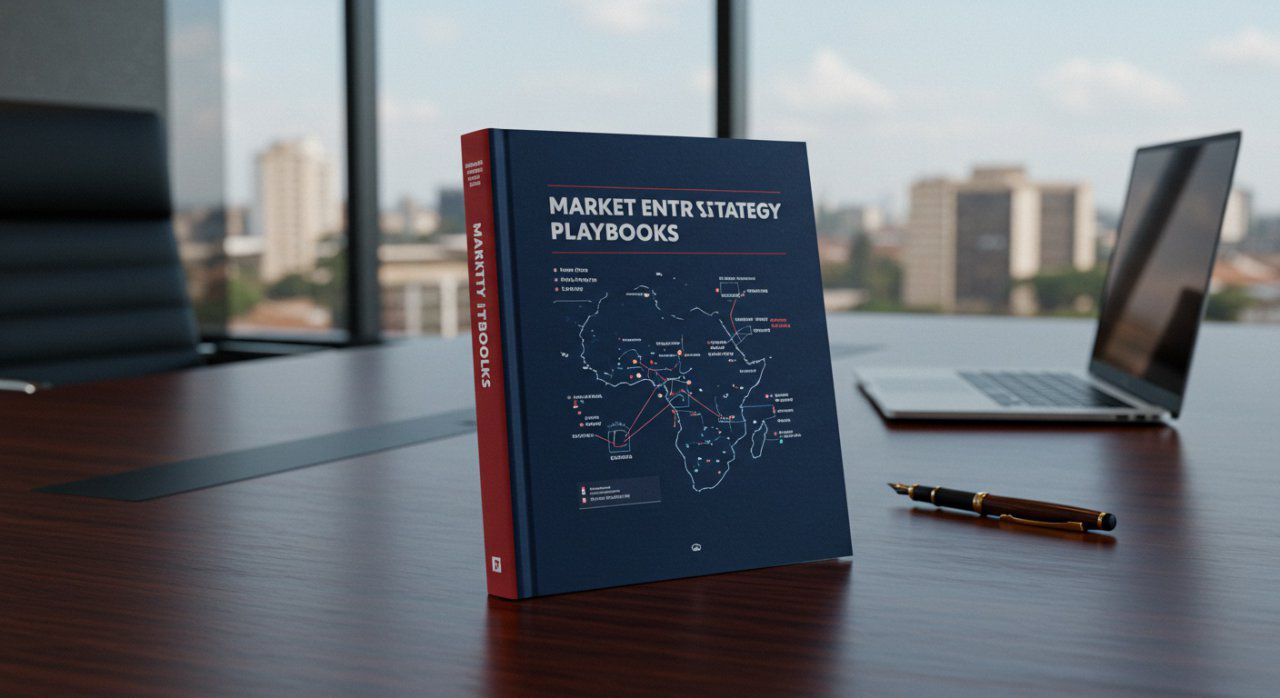
Navigating Regulatory and Import Procedures
Importing and distributing agricultural machinery in Kenya involves specific regulatory requirements. This includes understanding import duties, taxes, standardization certifications, and environmental regulations. Compliance is crucial to avoid costly delays and penalties. Fortisure Consulting offers expert guidance on navigating these complexities. We help clients understand the necessary permits, licenses, and compliance standards, ensuring a smooth and legal entry into the market. Our expertise in Kenyan regulations is a key asset for any business considering market entry for agricultural machinery.
Developing Effective Distribution and After-Sales Support

Establishing a robust distribution network is vital for reaching farmers across Kenya. This may involve partnering with local dealers, setting up direct sales channels, or exploring innovative distribution models. Equally important is providing reliable after-sales support, including maintenance, spare parts availability, and technical training. Farmers depend on their machinery, so downtime can be detrimental. Fortisure Consulting assists in designing effective distribution strategies and planning for comprehensive after-sales services, which are critical success factors for market entry for agricultural machinery.
Financing and Affordability Considerations
The cost of agricultural machinery can be a significant barrier for many Kenyan farmers. Understanding financing options available to potential buyers is crucial. This includes exploring partnerships with financial institutions, government loan schemes, or developing lease-to-own programs. Fortisure Consulting helps businesses assess the financial landscape and develop strategies to make their machinery accessible and affordable to the target market. This financial planning is an integral part of a successful market entry for agricultural machinery strategy.
Competitive Landscape Analysis
Before entering the market, a thorough analysis of the existing competition is essential. This involves identifying key players, their market share, product offerings, pricing strategies, and strengths and weaknesses. Understanding the competitive environment allows you to differentiate your products and services effectively. Fortisure Consulting conducts in-depth competitive analysis to inform your market entry strategy, ensuring you can carve out a sustainable niche. This analysis is a fundamental step in the market entry for agricultural machinery process.
Fortisure Consulting: Your Partner for Mechanization Growth
Expanding your agricultural machinery business into Kenya requires strategic planning and local expertise. Fortisure Consulting, based in Nairobi, provides specialized advisory services for companies looking to achieve successful market entry for agricultural machinery. We combine international best practices with deep knowledge of the Kenyan market to offer tailored solutions. From regulatory navigation to distribution network development and after-sales support planning, we are committed to helping you establish a strong and profitable presence. Partner with us to drive agricultural progress in Kenya.