
Nairobi's Role in Kenya's Maritime Trade
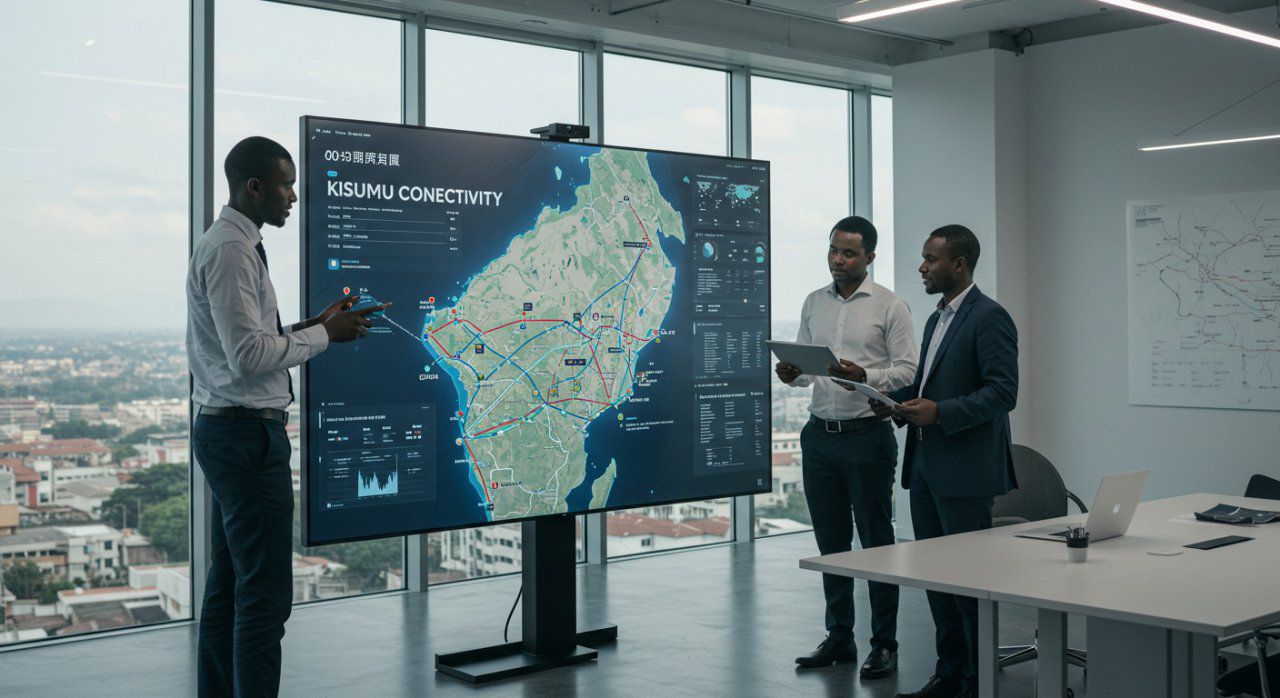
While Nairobi is landlocked, its influence on Kenya's maritime trade and port development is profound. Strategic decisions made in the capital impact the efficiency and growth of coastal ports. For businesses involved in logistics, supply chain management, or infrastructure development related to ports, understanding these dynamics is crucial. This is where specialized port development market intelligence becomes essential. It provides the insights needed to navigate the complexities of trade, infrastructure investment, and operational improvements. Fortisure Consulting offers expert advisory services to help you comprehend the value and strategic importance of port development market intelligence for operations linked to Nairobi and Kenya's broader trade network.
Components of Port Development Market Intelligence
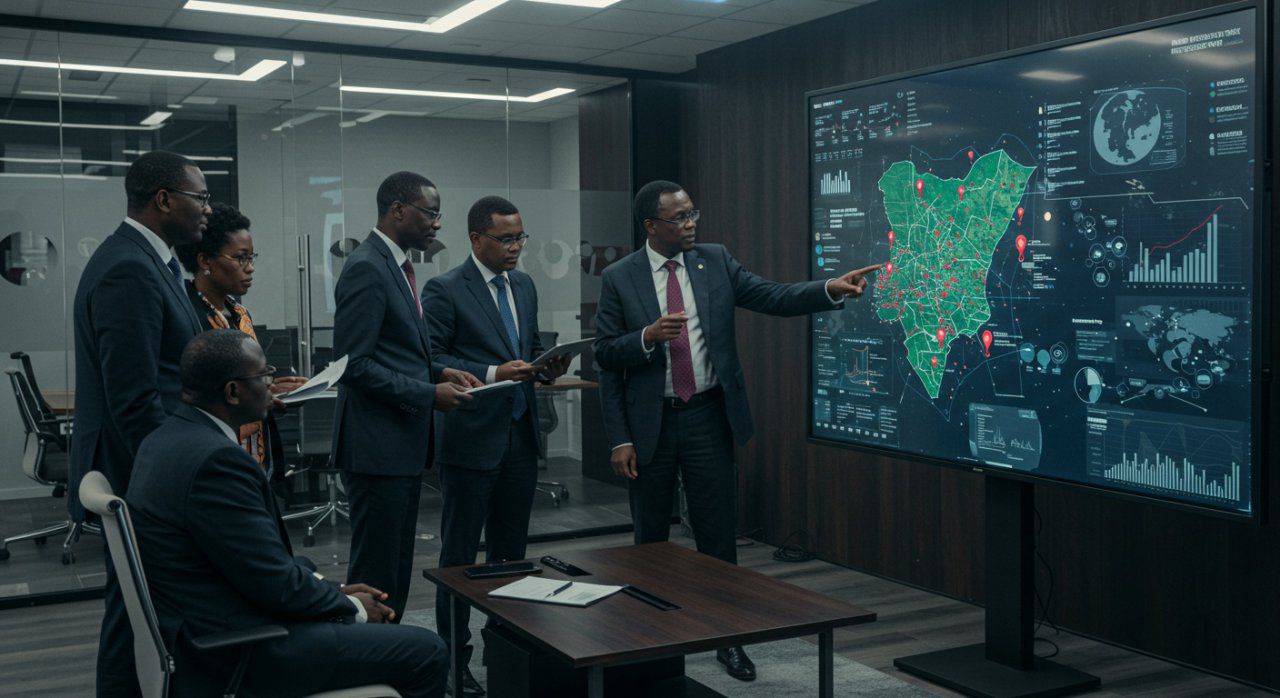
Effective port development market intelligence involves a comprehensive analysis of various factors influencing port operations and expansion. This includes assessing current and projected cargo volumes, both containerized and bulk, for key ports serving Kenya. It involves identifying ongoing and planned port expansion projects, such as new terminal developments, dredging activities, and infrastructure upgrades. Analyzing key stakeholders, including port authorities, shipping lines, logistics providers, and government agencies, is crucial. Market intelligence also covers the competitive landscape among regional ports and the impact of trade policies and international agreements. Understanding technological advancements in port automation, cargo handling, and digital logistics is vital. Furthermore, identifying investment opportunities and potential risks associated with port development projects provides actionable insights for businesses operating within or connected to Nairobi's economic sphere.

Benefits of Strategic Port Intelligence
Investing in robust port development market intelligence offers significant strategic advantages for businesses connected to Kenya's maritime trade. It enables informed decision-making regarding investments in logistics infrastructure, warehousing, and transportation links connecting to Nairobi. Understanding cargo trends and port capacity helps optimize supply chain operations, reducing costs and lead times. Early identification of port expansion projects allows companies to align their strategies and potentially secure contracts or partnerships. It provides insights into regulatory changes and compliance requirements, mitigating operational risks. For investors, it offers critical data for evaluating the viability and potential returns of port-related ventures. Ultimately, this intelligence empowers businesses to navigate the complexities of international trade more effectively.
Identifying Opportunities in Port Development

Locating opportunities within port development market intelligence requires a multifaceted approach. Consultants analyze national and regional development plans, focusing on trade facilitation and infrastructure growth strategies. They monitor announcements from port authorities and government ministries regarding expansion plans and investment programs. Researching cargo throughput data and trade flow patterns helps identify areas of growth and potential bottlenecks. Analyzing the needs of major industries relying on port services, such as agriculture, manufacturing, and energy, reveals opportunities for specialized logistics solutions. Engaging with industry associations and attending trade expos provides valuable networking and intelligence-gathering platforms. Fortisure Consulting utilizes these methods to uncover relevant opportunities for its clients.
Pricing Models for Port Intelligence Services
The pricing for port development market intelligence services is typically tailored to the specific needs of the client. Project-based pricing is common for detailed studies of particular ports or specific development initiatives. This offers a fixed cost for defined deliverables. Retainer-based models are suitable for ongoing monitoring of market trends, trade volumes, and regulatory changes affecting Kenyan ports. Subscription services might grant access to a database of port-related data and analysis reports. Hourly consulting fees are applied for ad-hoc advice or specialized research tasks. The complexity of the analysis, the scope of the research, and the required turnaround time are key factors influencing the final price. Fortisure Consulting works with clients to establish appropriate and value-driven pricing structures.
Choosing the Right Advisory Partner
Selecting an expert advisor for port development market intelligence is crucial for navigating Kenya's maritime landscape. Look for a firm with a deep understanding of the logistics and trade sectors, as well as infrastructure development. Experience in the East African region, particularly Kenya, is highly advantageous. Assess their research capabilities, data sources, and analytical methodologies. Client testimonials and case studies demonstrating successful outcomes are important indicators. Ensure the firm offers clear communication, timely delivery, and actionable insights relevant to your business objectives. Fortisure Consulting leverages its expertise to provide strategic guidance for port-related ventures.
Maximizing Value from Port Intelligence
To maximize the return on investment from port development market intelligence, it's essential to integrate the findings into your strategic decision-making processes. Use the intelligence to refine your supply chain strategies, identify optimal locations for logistics facilities, and anticipate market shifts. Align your business development plans with projected port expansions and infrastructure upgrades. Leverage the insights to improve operational efficiency and reduce costs. Engage proactively with key stakeholders identified through the intelligence. By actively applying this knowledge, businesses can enhance their competitive position and achieve sustainable growth in Kenya's dynamic trade environment.