
Navigating Nairobi's Maritime and Port Logistics Landscape
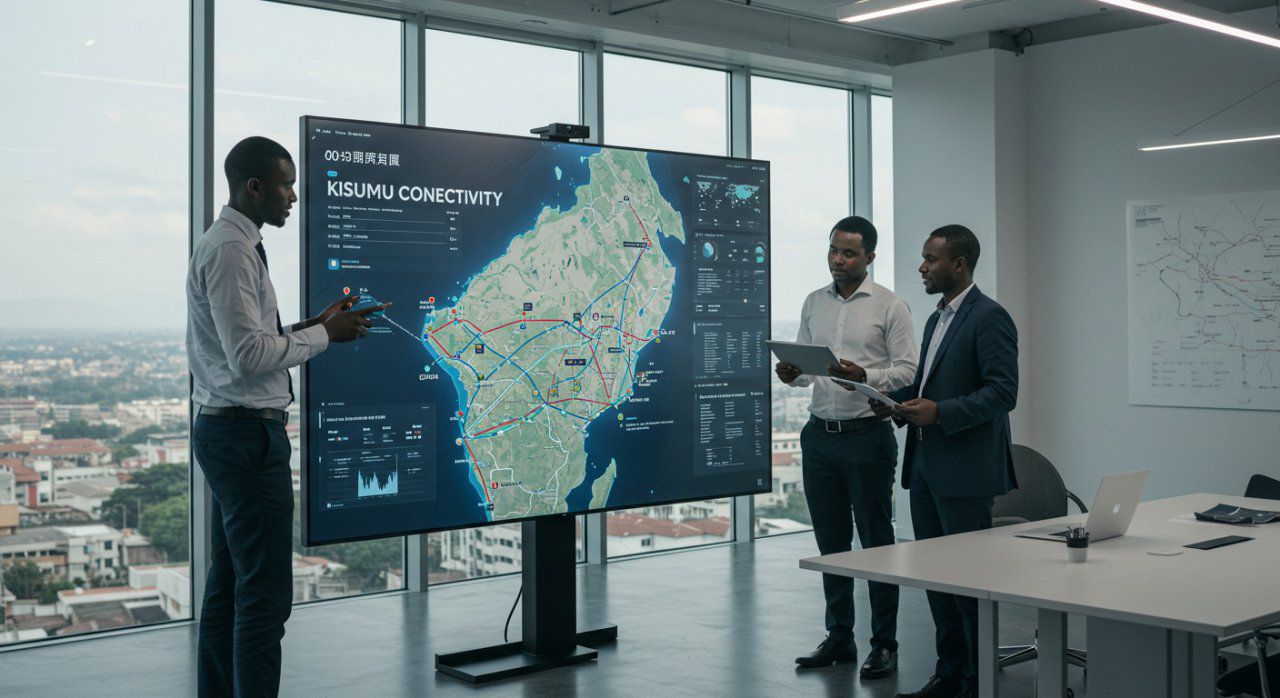
While Nairobi is inland, its role as Kenya's economic and logistical heart makes understanding the broader port sector crucial. Proximity to major coastal ports like Mombasa means that decisions made in Nairobi profoundly impact maritime trade. A detailed port sector market analysis provides critical insights into shipping volumes, trade flows, infrastructure needs, and investment potential. Fortisure Consulting offers specialized services to analyze these dynamics, helping clients understand the interconnectedness of Nairobi's economy with Kenya's maritime gateways. Our expertise ensures you have the strategic information needed for success in this vital sector.
The Significance of Port Sector Analysis for Inland Hubs
For a major inland hub like Nairobi, understanding the port sector market analysis is vital for several reasons. It directly influences the cost and efficiency of importing and exporting goods, impacting businesses across all sectors. Analyzing port operations, capacity, and future expansion plans helps predict logistics costs and transit times. This intelligence is crucial for supply chain management, manufacturing, and trade facilitation strategies originating from or terminating in Nairobi. Furthermore, investments in inland logistics infrastructure are often driven by port capacity and efficiency. Our analysis connects these dots, providing a holistic view.

Key Components of Our Port Analysis
Fortisure Consulting's port sector market analysis delves into critical areas relevant to Nairobi's economic interests. We examine cargo throughput volumes and trends for key commodities. Analysis of port infrastructure, including berths, storage facilities, and handling equipment, is conducted. We assess the efficiency of port operations, customs procedures, and intermodal connectivity (road and rail links to Nairobi). Market demand for specific types of cargo and services is evaluated. Furthermore, we analyze the regulatory environment, investment policies, and competitive dynamics among port operators and logistics providers. Our reports provide a clear picture of the operational and market landscape.
Understanding Trade Flows and Logistics Chains

Kenya's ports are gateways for East and Central Africa. Analyzing trade flows is fundamental to understanding the port sector's dynamics. We track import and export volumes, identifying key trading partners and the commodities involved. This analysis helps in understanding the demand drivers for port services. The efficiency of logistics chains connecting Nairobi to the ports is critically examined. This includes evaluating road and rail networks, warehousing, and distribution centers. Identifying bottlenecks and opportunities for improvement in these chains is a core part of our analysis, ensuring smoother trade operations for businesses in Nairobi.
Infrastructure Development and Investment Opportunities
Investment in port infrastructure is essential to meet growing trade demands. This includes expanding container terminals, improving dredging capabilities, and investing in specialized cargo handling facilities. Modernization of port equipment and adoption of digital technologies are also key trends. For Nairobi-based businesses, understanding these developments is important for planning logistics and supply chain strategies. Fortisure Consulting identifies potential investment opportunities within the port sector and related logistics infrastructure. We help clients evaluate the feasibility of projects that can enhance trade efficiency and economic growth for Kenya.
The Role of Technology in Port Operations
Technology is revolutionizing port operations globally, and Kenya's ports are no exception. Advanced Terminal Operating Systems (TOS) optimize vessel and yard management. Electronic Gate systems streamline truck turnaround times. RFID and IoT technologies enhance cargo tracking and security. Data analytics provide insights for operational efficiency and strategic planning. Our port sector market analysis considers the adoption and impact of these technologies. Understanding technological advancements helps businesses in Nairobi anticipate changes in logistics costs and service levels.
Strategic Insights for Your Business
Fortisure Consulting provides the critical port sector market analysis needed to make informed strategic decisions. Whether you are involved in import/export, logistics, or manufacturing, understanding the dynamics of Kenya's port sector is essential. We deliver clear, actionable insights that help you optimize your supply chains, identify new market opportunities, and mitigate risks. Partner with us to gain a competitive advantage by leveraging our expertise in analyzing the maritime and logistics landscape connected to Nairobi.